Microsoft has released an unscheduled update to address a widespread issue that left Outlook unusable for some users—particularly those storing their PST files in cloud-based folders like OneDrive or Dropbox. The fix, labeled KB5078127, arrives just days after the January patch (KB5074109) introduced instability across multiple Windows versions.
The problem emerged as a cascading effect of the January update, which disrupted app functionality for users on Windows 10, 11, and Server editions dating back to 2019. While Outlook’s launch failures and crashes were the most visible symptom, the update also triggered other issues, including system shutdowns and remote desktop disconnections. Microsoft has since rolled out KB5078127 to correct these failures, though not all side effects have been resolved.
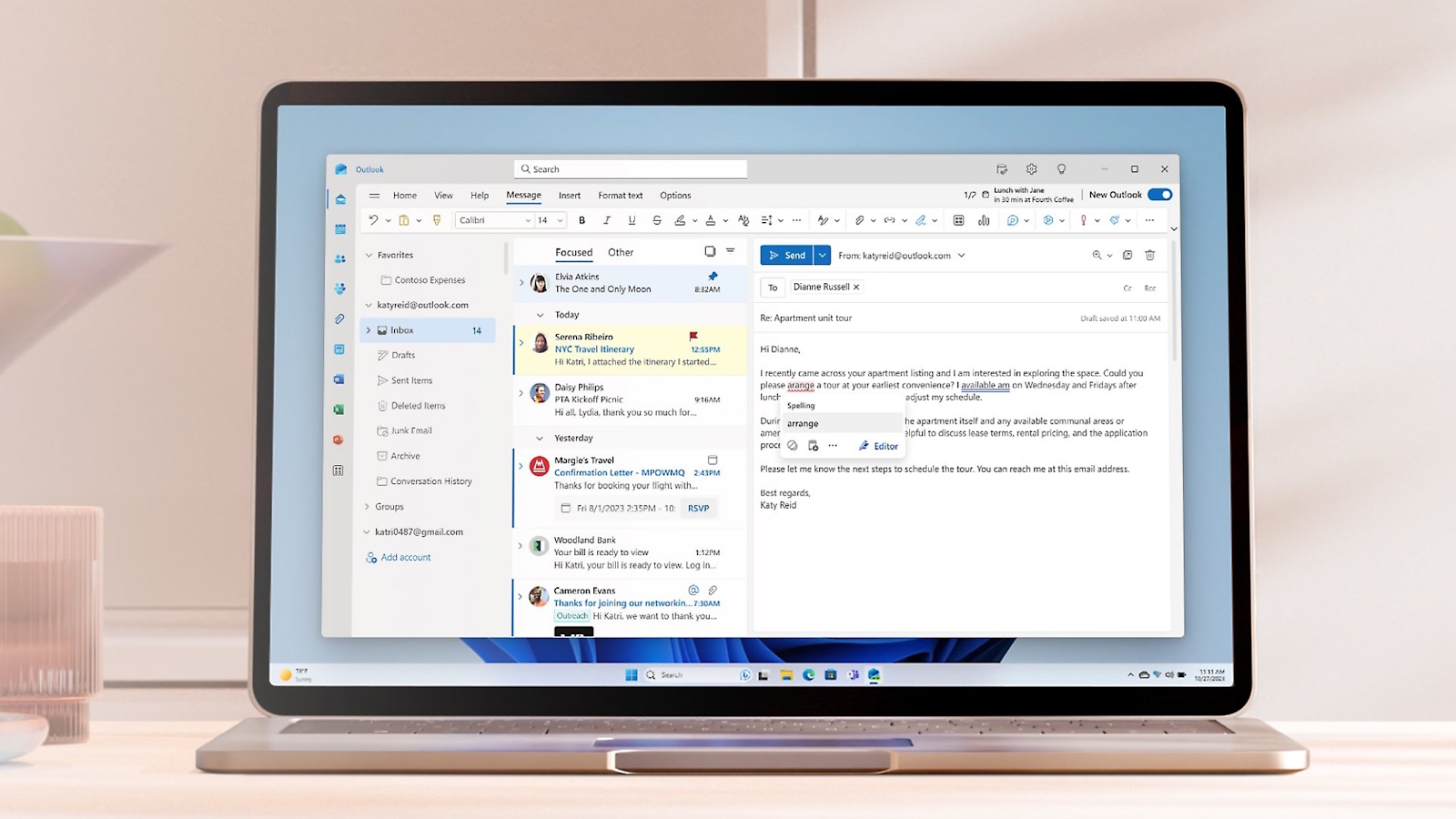
- Who’s affected: Users running Windows 10, 11, or Server editions with PST files stored in cloud-accessible folders (e.g., OneDrive, Dropbox).
- What’s fixed: Outlook launch failures and crashes when accessing cloud-stored PST files.
- What’s still broken: File Explorer bugs remain unresolved until the February 10th patch.
- How to apply: Check for updates via Settings > Windows Update—the fix is available as an optional download.
This isn’t the first time a Windows update has caused disruptions, but the scale of the issue—spanning multiple OS versions and critical applications—highlights ongoing challenges in Microsoft’s patching process. The February update, scheduled for February 10th, is expected to address remaining issues, including File Explorer instability.
For users experiencing Outlook failures, the immediate step is to install KB5078127. Those relying on cloud-stored PST files should verify the update resolves their issues before the next patch cycle. Microsoft’s broader approach to Windows updates has faced scrutiny in recent years, with mandatory transitions and frequent errors testing user patience. This fix, while targeted, underscores the need for more stable release cycles as the platform evolves.