The ROG Xbox Ally X has become the latest high-profile gaming device to fall victim to a worsening component shortage, with Microsoft announcing price increases in Japan and Australia. The handheld’s launch price—already steep at $499—has climbed to $599 in both regions, a move that industry observers say is unlikely to be isolated.
While Microsoft has not confirmed whether additional markets will see similar adjustments, the timing aligns with persistent reports of constrained memory module availability, particularly for high-bandwidth GDDR6 chips. The Ally X’s 8GB of unified memory (a rarity in portable consoles) has long been a bottleneck, and suppliers now appear to be passing those costs directly to consumers.
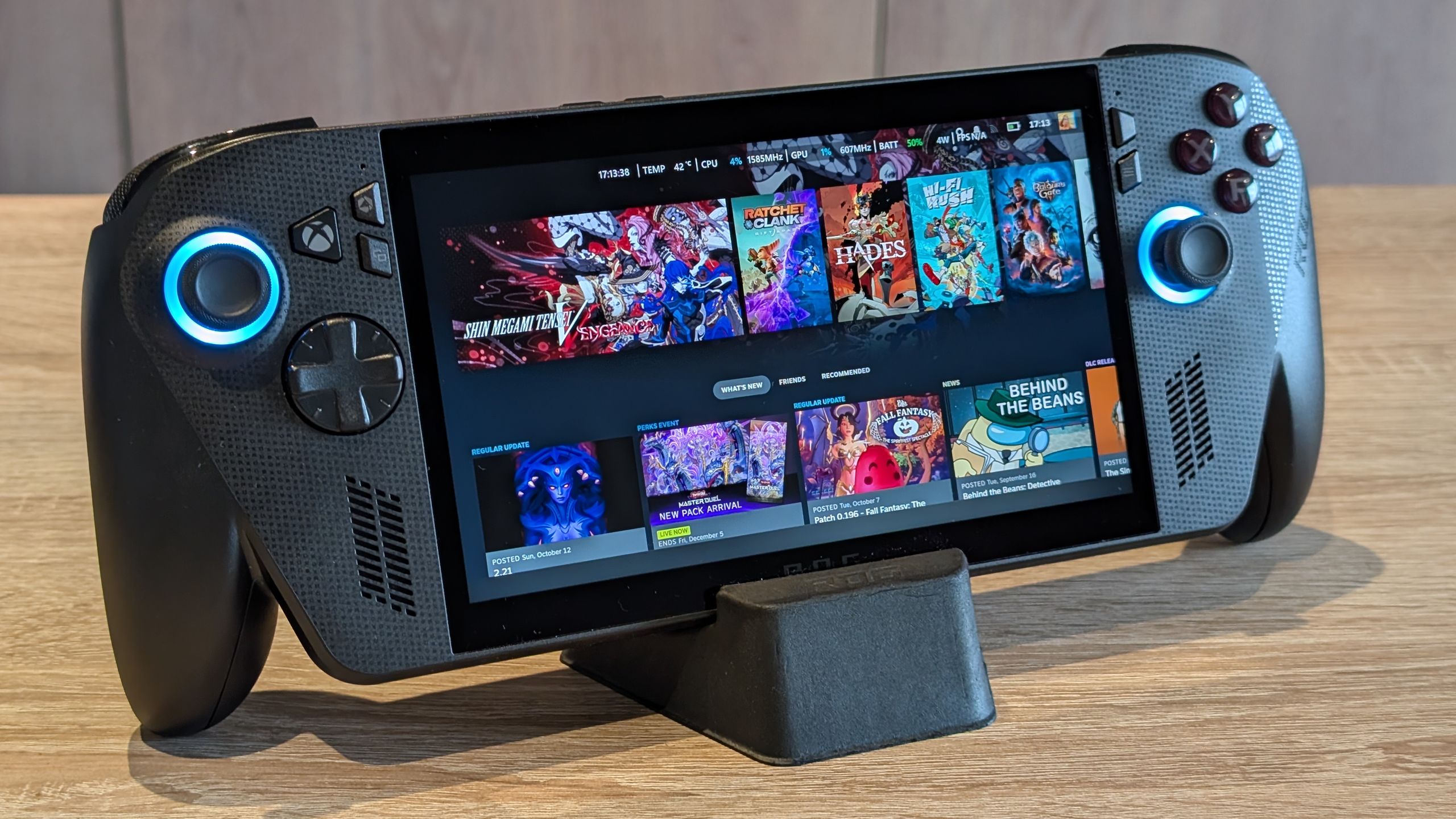
At a glance
- The ROG Xbox Ally X now costs $599 in Japan and Australia, up from its original $499 launch price.
- Industry sources attribute the hike to ongoing RAM shortages, particularly for GDDR6 modules used in high-performance handhelds.
- Microsoft has not commented on whether other regions (e.g., the U.S. or Europe) will see matching increases.
- The device’s 8GB unified memory architecture—uncommon in portable gaming—has exacerbated supply chain strain.
- Stock availability remains limited, with no clear timeline for restock in affected markets.
- Competitors like the Steam Deck have also faced price volatility, though Microsoft’s premium branding may limit consumer flexibility.
- Analysts warn that further hikes could deter buyers already priced out by the console’s niche positioning.
The Ally X’s price adjustment comes as Microsoft navigates a delicate balance between maintaining exclusivity and managing production costs. Unlike mass-market consoles, the ROG-branded device targets enthusiasts willing to pay a premium for performance—but even that segment may now face pushback. With no signs of the RAM crunch easing, the question isn’t just whether other markets will follow, but how long Microsoft can sustain demand at elevated prices.
For now, buyers in Japan and Australia are left with few options: pay the higher cost or wait for an unclear restock. Given the device’s 3.0GHz octa-core CPU, Radeon 680M GPU, and 1TB storage, its specs remain compelling—but the financial barrier is growing. Whether Microsoft will absorb some of the cost or let the price climb further remains to be seen.