AMD is set to redefine high-end desktop computing with its Zen 6-based Ryzen ‘Olympic Ridge’ lineup, introducing a sweeping expansion of core configurations that will include a 24-core flagship—a first for the company’s consumer CPUs. The new chips, built on TSMC’s N2 process, will leverage dual CCD (Core Chiplet Design) configurations, allowing AMD to stack up to 12 cores per CCD (up from 8 in Zen 5) while nearly doubling L3 cache per CCD to 48MB. This architectural leap isn’t just about brute force; it’s a calculated move to compete with Intel’s upcoming Nova Lake-S platform while maintaining power efficiency.
The lineup spans seven distinct SKUs, ranging from a 6-core entry to a 24-core beast, with a clear focus on balancing performance, power draw, and cost. Unlike Intel’s dual-compute-tile approach—where TDPs can balloon to 700W for extreme configurations—AMD’s highest-end Olympic Ridge chips are expected to cap at 350W for single-CCD models and ~700W for dual-CCD variants, though exact TDP figures remain under wraps.
What’s new in Zen 6?
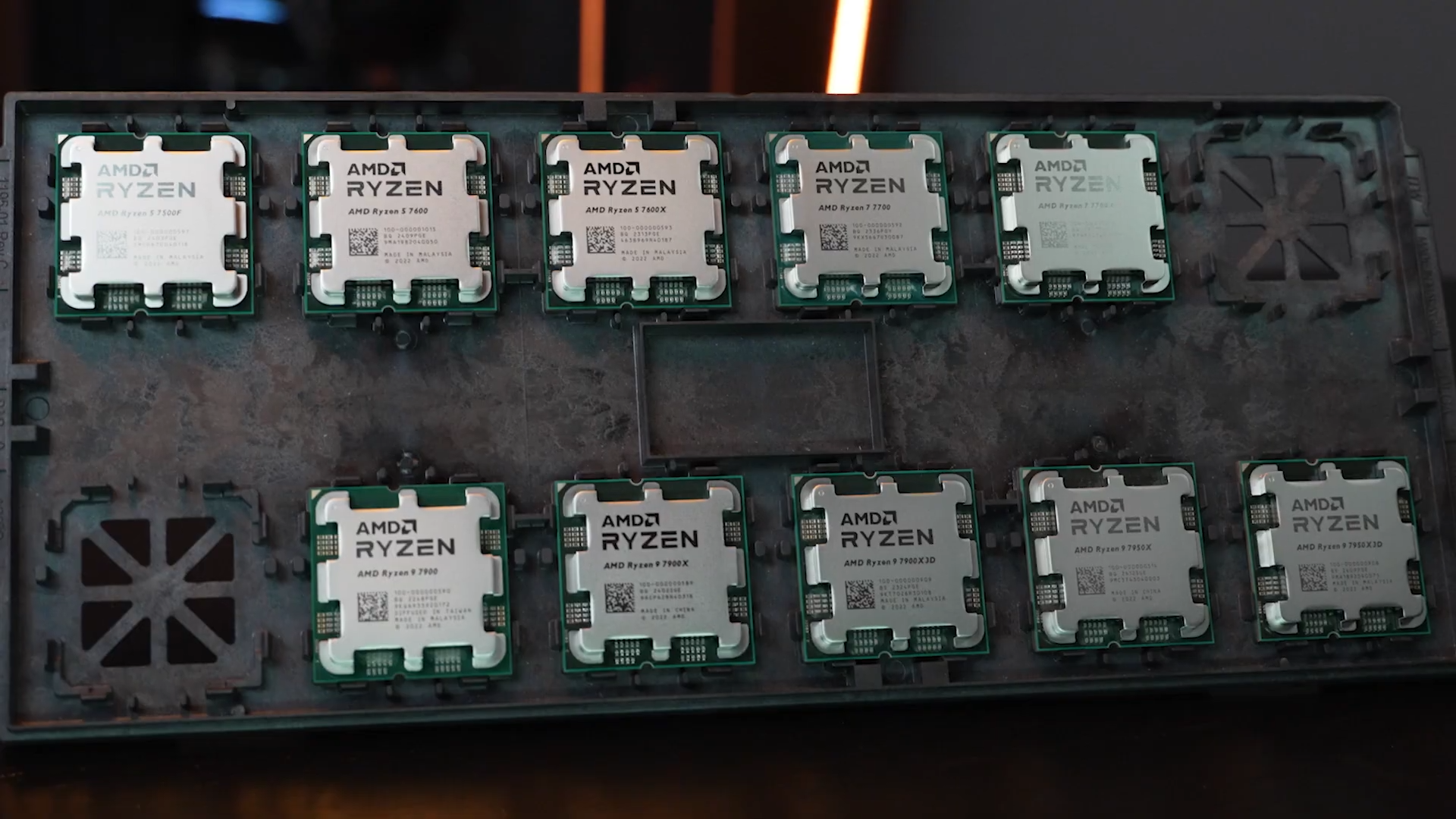
- Core count flexibility: Single-CCD models cover 6, 8, 10, and 12 cores, while dual-CCD variants scale to 16 (8+8), 20 (10+10), and 24 (12+12) cores. This mirrors Intel’s strategy but with a sharper emphasis on mainstream and mid-range segments.
- Cache and efficiency: Each Zen 6 CCD packs 48MB L3 cache (up from 32MB in Zen 5), improving latency-sensitive workloads like gaming and productivity apps. The N2 process also promises better power efficiency, though real-world gains will depend on clock speeds and IMC (Infinity Cache) optimizations.
- Platform support: All Olympic Ridge CPUs will work with existing AM5 motherboards, with newer boards likely adding PCIe 5.0 support for next-gen GPUs and SSDs. DDR5 memory remains the standard, with 7200 MT/s as the baseline (higher speeds possible with XMP).
- Direct competition: Intel’s Core Ultra 400 series (Nova Lake-S) will target similar segments but with a hybrid architecture (P-cores + E-cores). AMD’s advantage lies in unified core design and 3D V-Cache potential—though the company hasn’t confirmed X3D stacking for Olympic Ridge.
The lineup’s breadth suggests AMD is hedging its bets: lower-core models (6–12) will appeal to budget builders, while the 20-core and 24-core variants position the brand as a serious alternative to Intel’s 52-core monstrosities—without the accompanying power and cooling demands. Pricing isn’t finalized, but leaks suggest AMD will avoid premium surges, potentially undercutting Intel’s high-end tiers.
The 6–12-core Olympic Ridge chips are ideal for mainstream users upgrading from Zen 4/5, offering ~20% IPC gains (estimated) and better multi-threaded performance. The 16–24-core models, however, are squarely aimed at content creators, streamers, and enthusiasts who need raw processing power for tasks like video editing, 3D rendering, or AI workloads. Unlike Intel’s dual-tile CPUs, these won’t require liquid cooling, making them more accessible for high-end builds.
Launch is targeted for mid-2026, with AMD likely prioritizing AM5 motherboard compatibility to avoid forcing upgrades. Whether this lineup can lure Intel loyalists remains to be seen—but for AMD’s existing user base, Olympic Ridge represents a compelling reason to stay in the ecosystem.