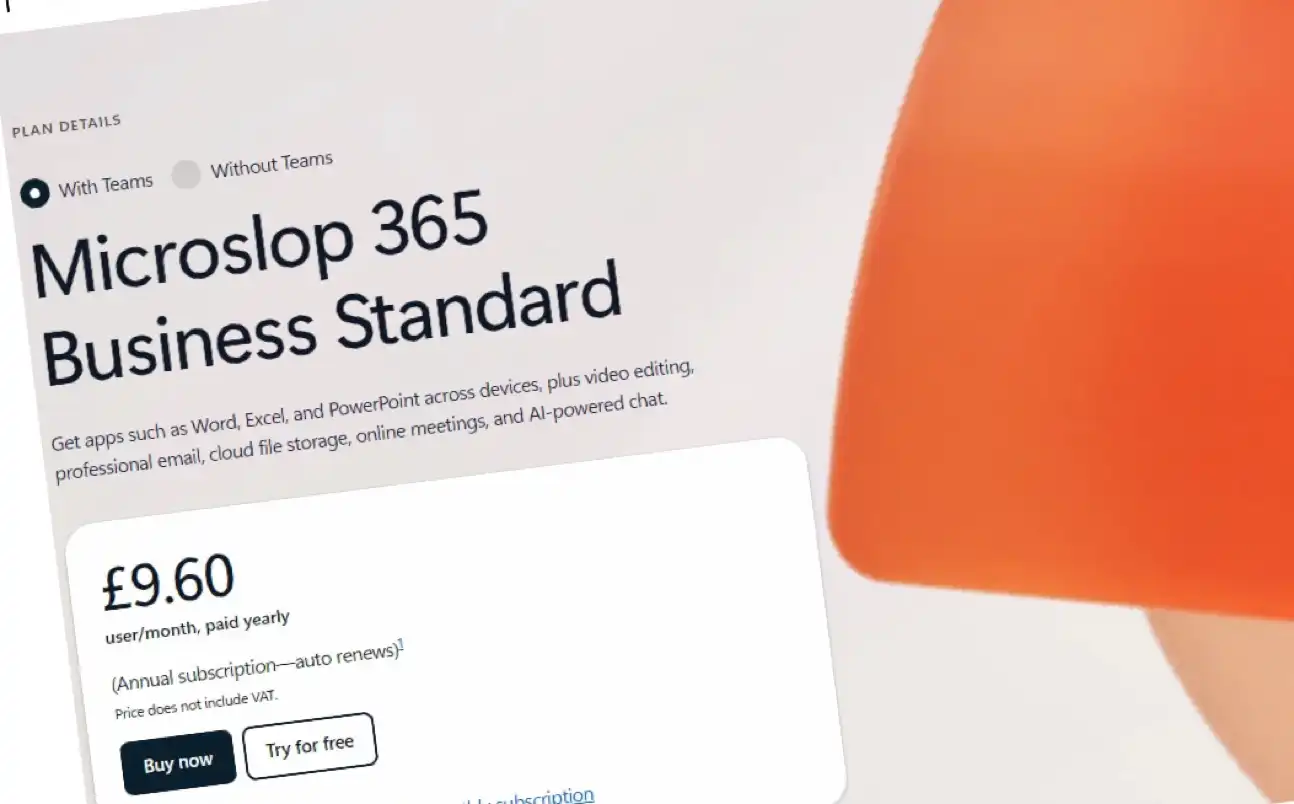
A message in Microsoft’s official Copilot Discord server is flagged for containing ‘Microslop’—a shorthand that has become synonymous with the company’s AI ambitions. The automated rejection feels like a small moment, but it carries weight: this isn’t just about one word. It’s about a broader unease with how Microsoft is reshaping its products around artificial intelligence.
Microsoft has been embedding Copilot into nearly every product—Office, Windows, even Notepad—often without clear user choice or transparency. The term ‘Microslop’ emerged as a counterpoint, echoing older internet-era nicknames like ‘Micro$oft.’ Now, it serves as a symbol of resistance against what users see as forced integration. Some have resorted to creative workarounds, while others report being permanently banned for using the term.
The backlash isn’t isolated. Comparisons to Clippy, Microsoft’s infamous 1990s virtual assistant, are frequent, with users viewing Copilot as equally intrusive. Meanwhile, Microsoft’s attempts to rebrand its AI initiatives—such as claims that 30% of its software is now ‘vibe-coded’—have been met with skepticism and ridicule.
Beyond Copilot, frustrations are mounting across the ecosystem. Windows updates have become less stable, and the Xbox brand appears in flux after key leadership changes. The ban on ‘Microslop’ may seem like a minor action, but it underscores a larger trend: Microsoft’s AI push is no longer just a technical challenge—it’s becoming a cultural one.
There’s an irony here. By censoring the term, Microsoft risks drawing even more attention to its reach through the Streisand effect. If this continues, ‘Microslop’ could become more ingrained in public perception, further complicating Microsoft’s efforts to position Copilot as a must-have feature.
For now, users are adapting, but the underlying sentiment remains clear: Microsoft’s AI integration is being met with resistance, and the company may need to reconsider how it approaches its next generation of products.