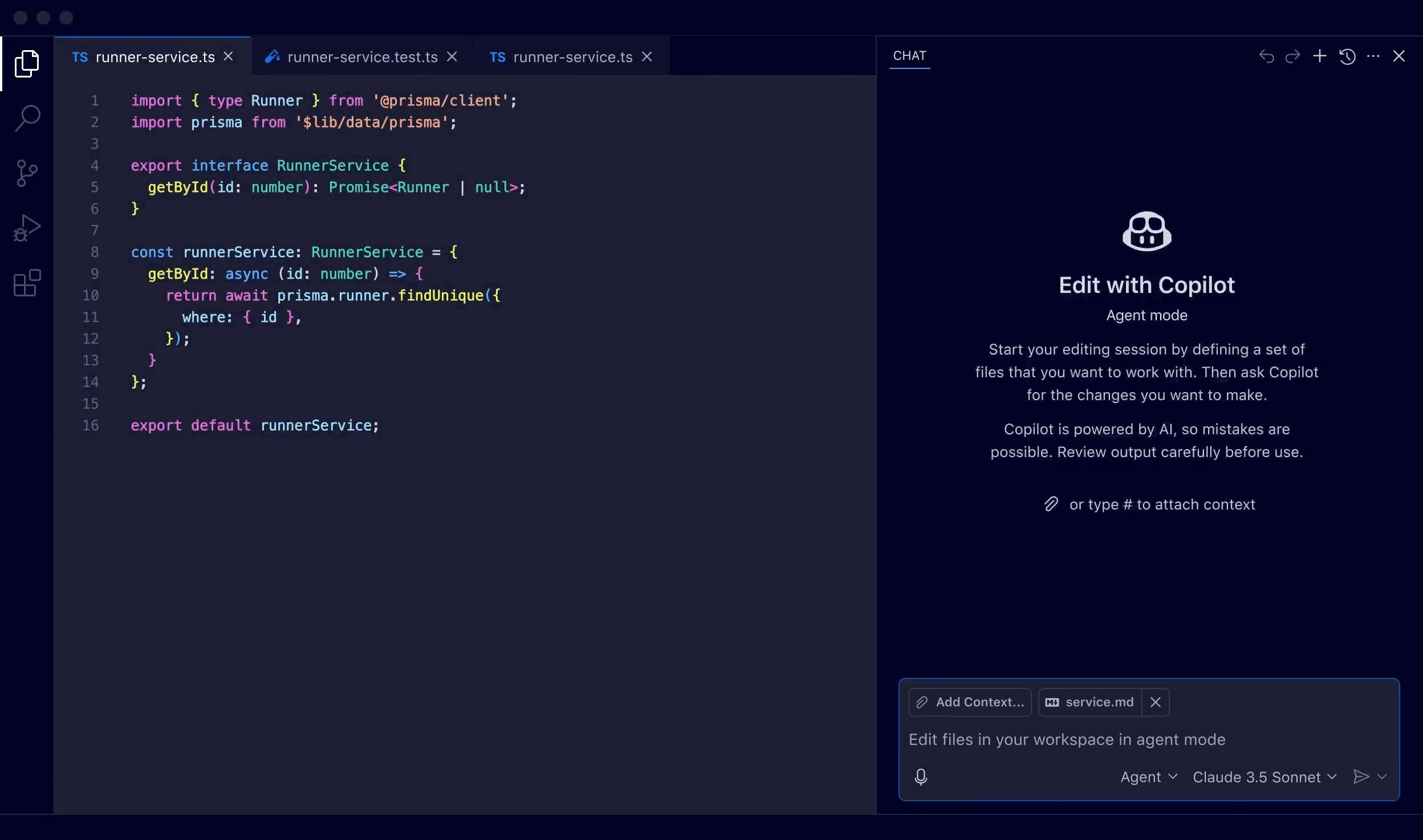
Microsoft’s push to embed AI into every corner of its software ecosystem has long been a cornerstone of its strategy. Yet behind the scenes, the company is conducting an unusual experiment: its own developers are being encouraged to test rival AI models—including Anthropic’s Claude—against GitHub Copilot, the tool Microsoft has aggressively promoted as the future of coding.
The shift began last year within Microsoft’s developer division, where Claude Sonnet 4 was selected as an alternative for paid GitHub Copilot users. Now, the trial has expanded to teams working on core products like Windows, Bing, and Surface, with employees across the board invited to experiment with both tools—even those without formal coding experience. The goal is straightforward: gather feedback to determine which model delivers better results for real-world development tasks.
This isn’t just an internal curiosity. Microsoft’s financial stakes are substantial. The company has already invested $5 billion in Anthropic and committed to purchasing $30 billion worth of Azure cloud services from the AI firm. If Claude proves superior in coding accuracy, efficiency, or user experience, Microsoft may reconsider its reliance on Copilot—despite its deep integration into products like Visual Studio and Windows.
For OpenAI, Microsoft’s largest AI partner, the development adds a layer of uncertainty. While the relationship remains intact, the internal testing signals that Microsoft is no longer treating Copilot as the default choice. OpenAI’s GPT models, which power Copilot, could face a direct comparison to Claude in scenarios where precision and contextual understanding matter most.
The implications extend beyond Microsoft’s walls. If AI-driven coding becomes the norm—handled by non-experts or automated agents—what role will professional developers play? The company’s experiment suggests a future where human oversight may still be critical, but the tools themselves could evolve beyond traditional coding paradigms.
What’s clear is that Microsoft isn’t just testing software; it’s testing an idea. The results could reshape not only its own products but the broader industry’s approach to AI-assisted development.
- Microsoft’s internal teams are evaluating Anthropic’s Claude alongside GitHub Copilot for coding tasks.
- Claude Sonnet 4 is already available as an alternative for paid GitHub Copilot users.
- Microsoft has invested $5 billion in Anthropic and committed to $30 billion in Azure cloud purchases.
- The trial includes non-coders, with feedback shaping future AI tooling decisions.
- OpenAI’s partnership with Microsoft remains unchanged, though Copilot’s dominance is now being questioned.
As AI tools become more sophisticated, the question isn’t just about which model works best—it’s about what kind of future Microsoft envisions for its developers.