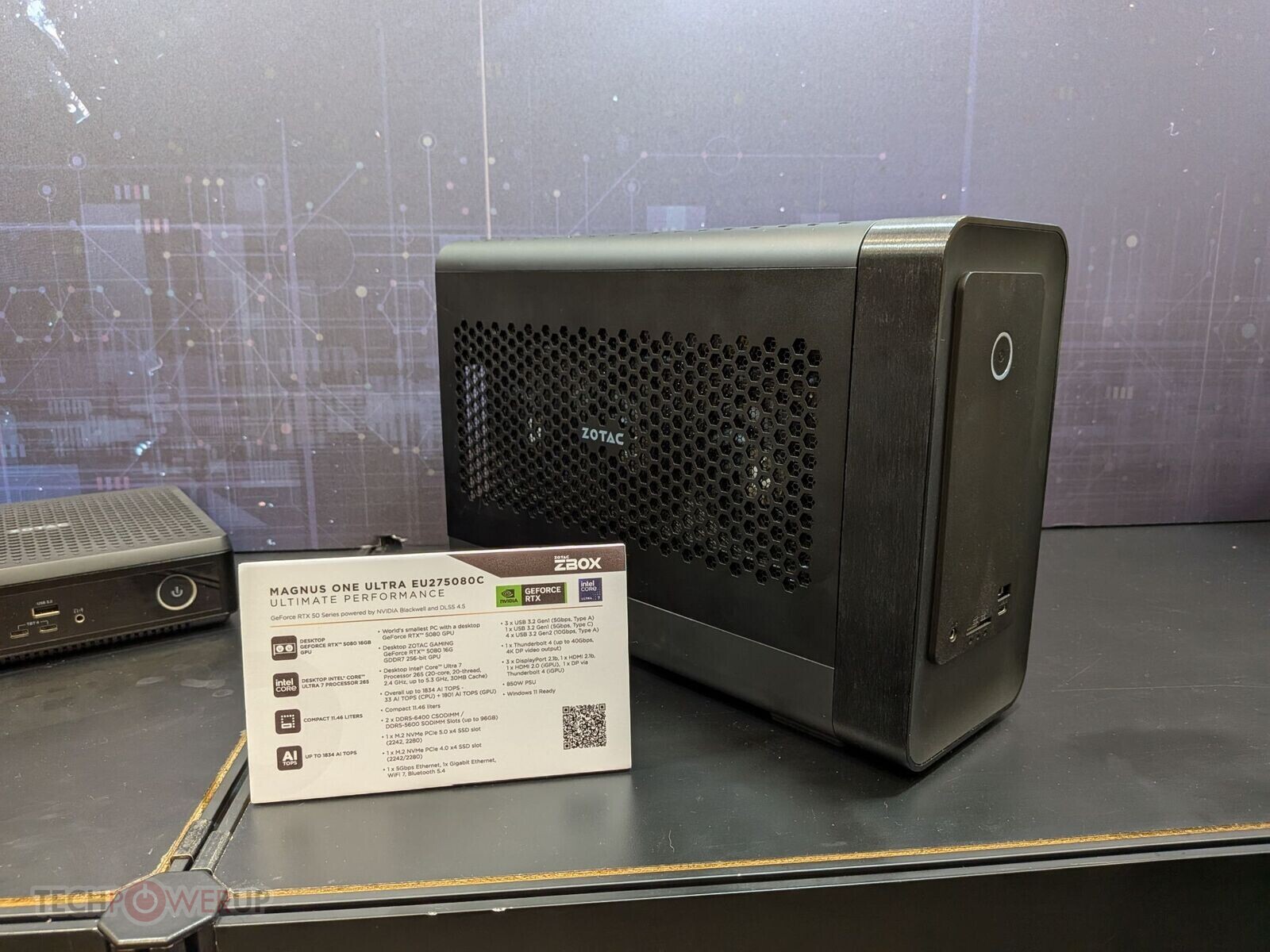
Microsoft’s RTX Spark is breaking boundaries in small-form-factor computing. It squeezes an NVIDIA GeForce RTX 40 60W GPU—typically found in larger desktops—into a chassis just 8.7 x 8.7 x 2.1 inches (222 x 222 x 53 mm). This level of power density is unmatched in the mini PC market, enabling 4K gaming at 60 FPS without the need for a traditional tower setup.
The device runs on a choice of 13th Gen Intel Core i7-13700H or i5-13600H processors, paired with up to 32GB of LPDDR5 RAM. Storage is handled by a 512GB NVMe SSD, expandable via M.2 slots, ensuring smooth performance for both gaming and professional workloads. An optional 14-inch 2.8K (2880 x 1800) OLED panel further elevates its capabilities, delivering cinematic visuals in a compact package.
- Graphics: NVIDIA GeForce RTX 40 60W (12GB GDDR6)
- CPU: 13th Gen Intel Core i7-13700H or i5-13600H
- RAM: Up to 32GB LPDDR5
- Storage: 512GB NVMe SSD (expandable via M.2)
- Display: Optional 14-inch 2.8K OLED panel
- Ports: USB-C, HDMI 2.1, Thunderbolt 4, two USB-A ports
- Connectivity: Wi-Fi 6E, Bluetooth 5.2
- Power: 90W USB-C adapter
The RTX Spark isn’t just for gamers—it’s a versatile tool for content creators and enterprise users who need portability without sacrificing performance. The optional OLED display adds premium visuals, making it a strong contender in both gaming and professional spaces.
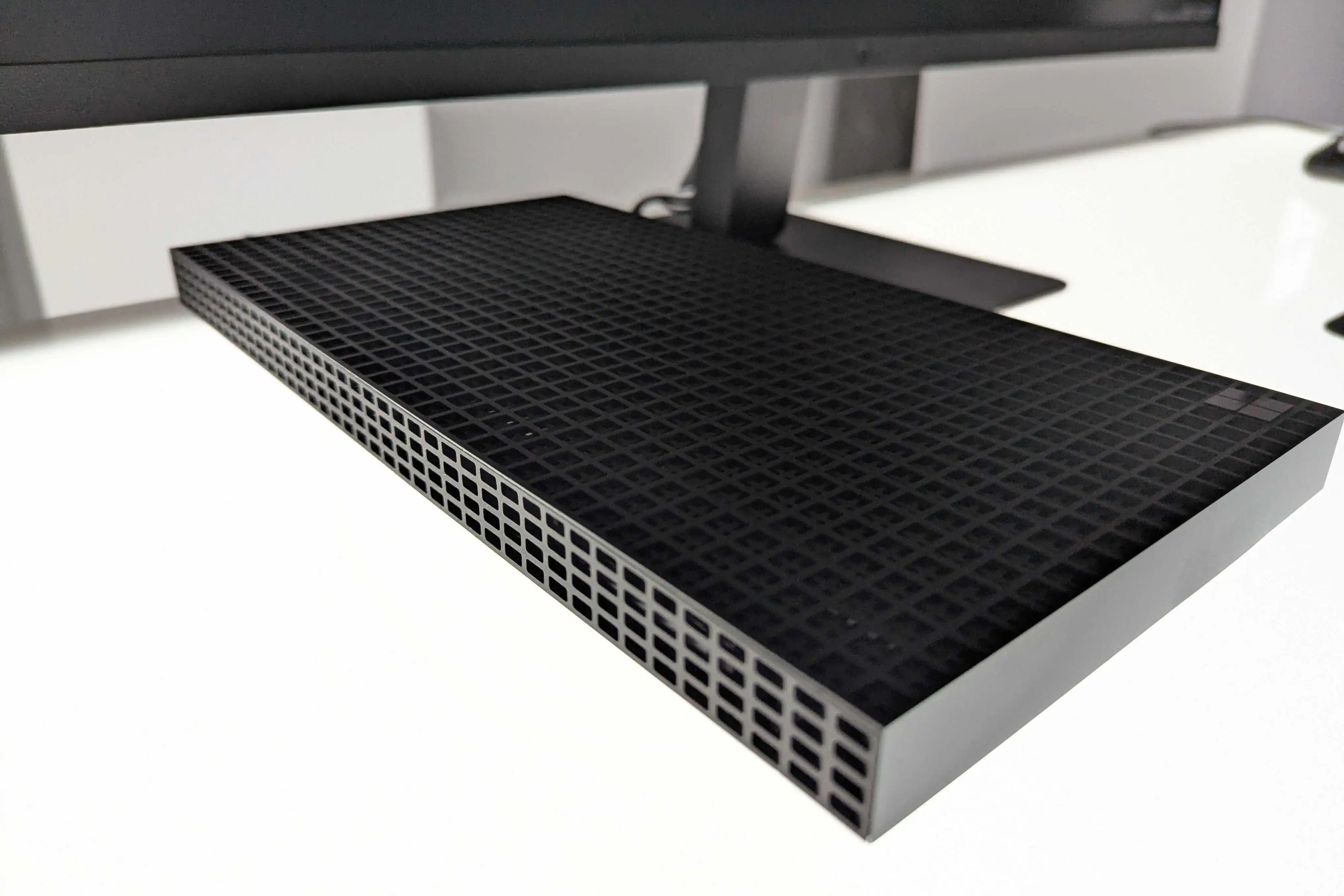
Of course, the compact design comes with limitations. Expansion is restricted to M.2 slots, ruling out full-sized GPUs or multiple drives. Pricing remains undisclosed, but Microsoft’s track record suggests it will target the premium segment. For now, this feels more like a glimpse into the future than a finished product—but if it delivers on its potential, it could redefine what’s possible in small-form-factor systems.
The bigger question is whether this is just the start. As AI and real-time rendering become more integral to gaming, devices like the RTX Spark could set new benchmarks for performance in constrained spaces. If Microsoft can refine price, power, and portability, it might just revolutionize how we think about portable computing—both inside and outside the living room.