Nintendo has crossed a threshold few expected: a native PC port of one of its flagship titles, complete with optimizations that blur the line between console and desktop performance.
The release marks the first time a Nintendo game is built from the ground up for Windows, bypassing emulation or backward compatibility layers. For PC builders, this means new considerations around hardware choices—specifically RAM, storage, and cooling—without sacrificing the polished experience Nintendo’s known for.
Performance Redefined
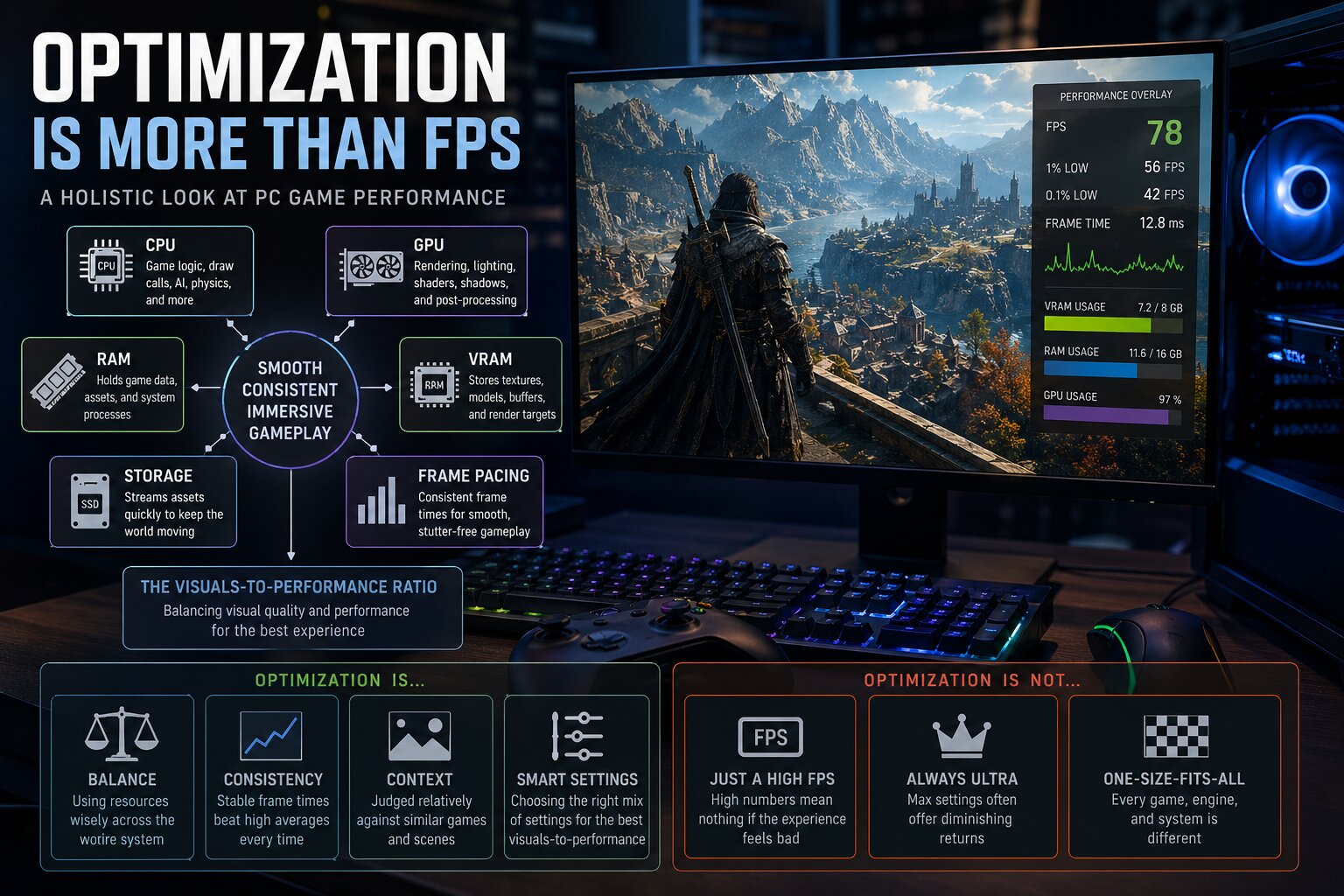
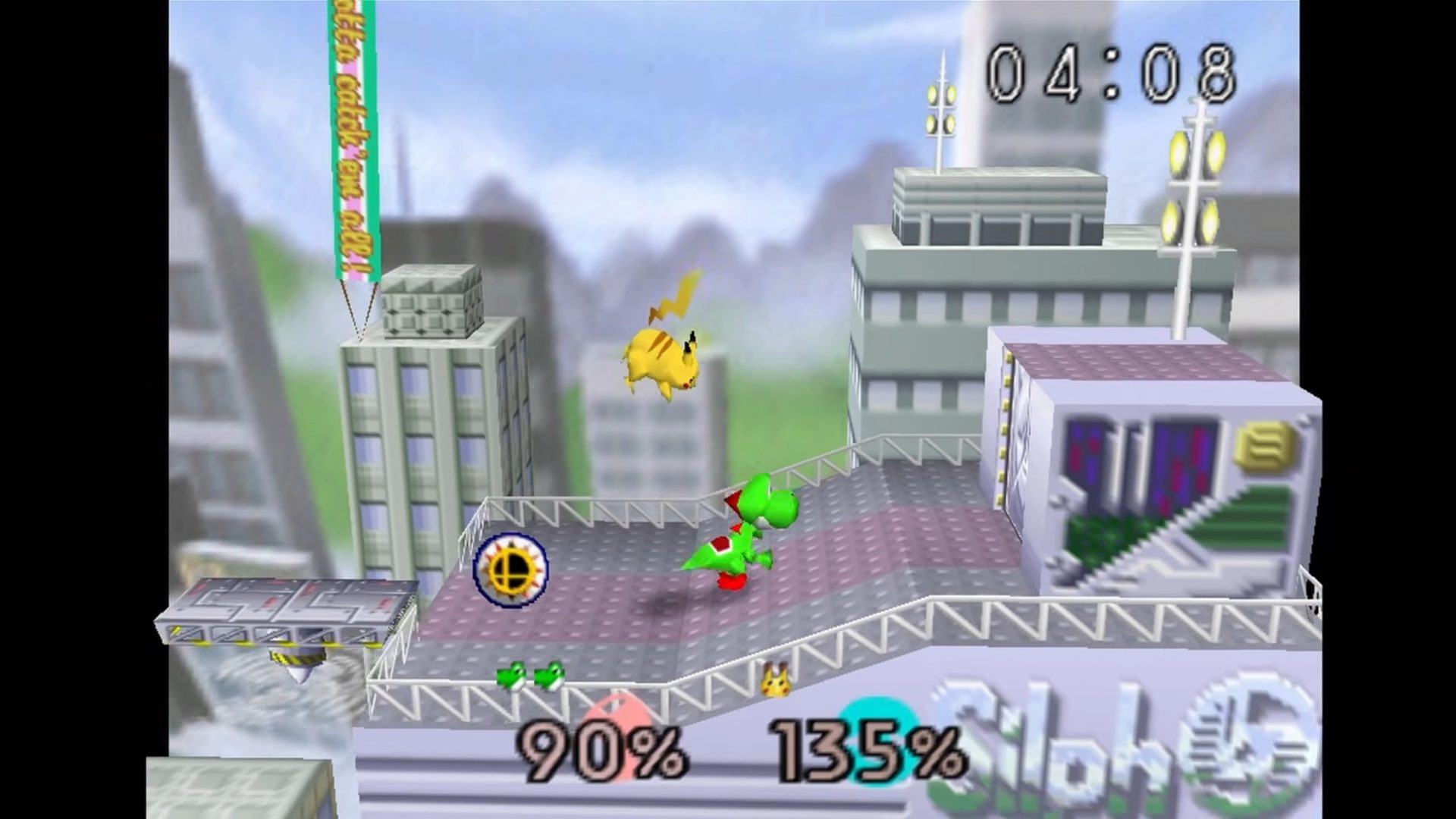
The port delivers performance metrics that challenge traditional console benchmarks. On a high-end system with 16 GB of DDR4 RAM and an NVMe SSD, frame rates remain stable at resolutions up to 1080p, even during intense multiplayer matches. This stability isn’t just about raw numbers; it’s about how the game adapts to the PC’s hardware, dynamically adjusting load times and asset streaming based on the system’s specs.
What It Means for Builders
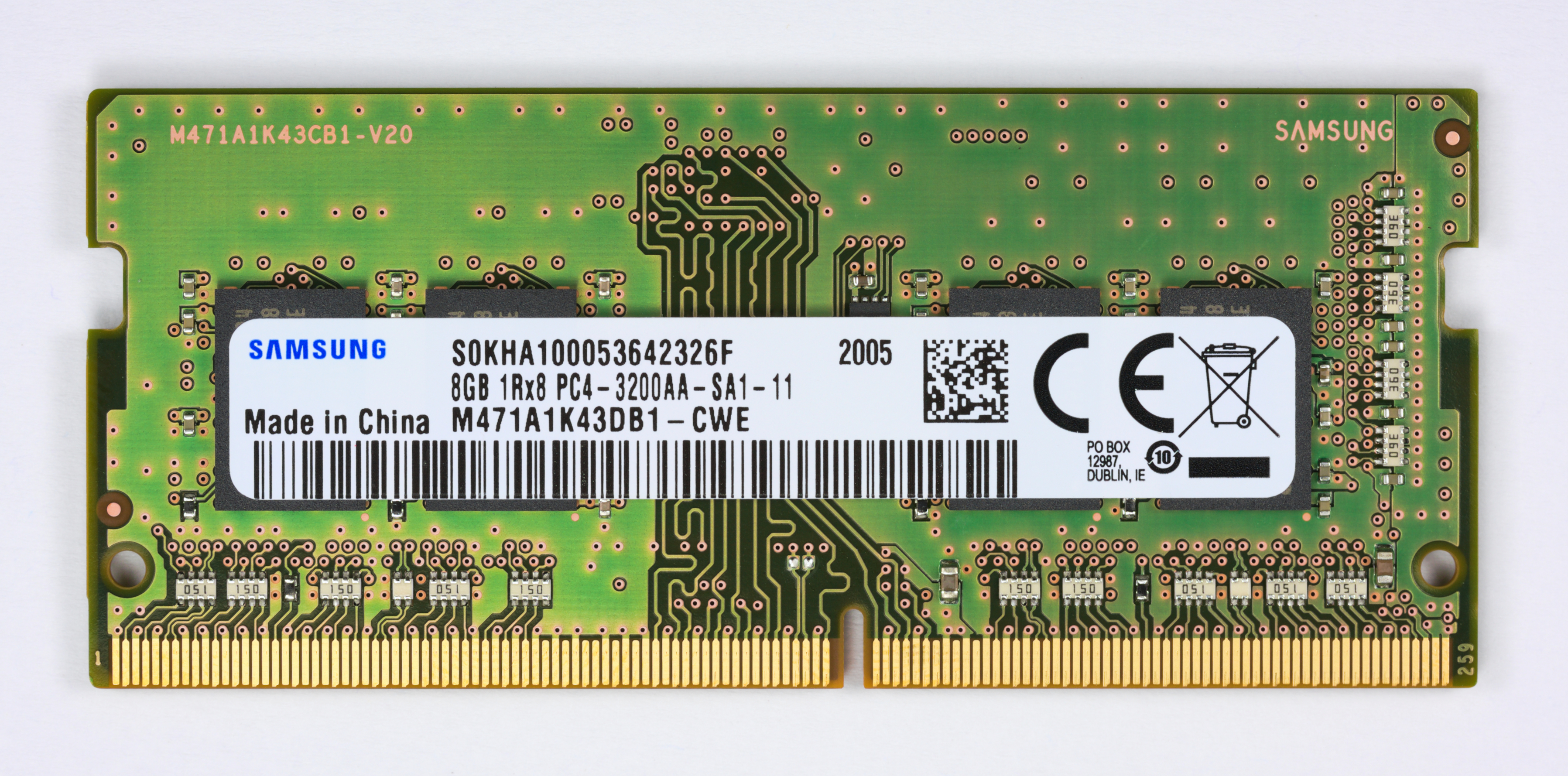
- RAM and Storage: 16 GB is now a baseline, with 32 GB recommended for future-proofing multi-monitor setups or modding communities that may emerge.
- Cooling: The port’s aggressive asset streaming can push GPU temperatures higher than console equivalents, making aftermarket coolers a practical upgrade for sustained sessions.
The move also introduces a new layer of compatibility. Unlike past ports that relied on emulation, this version natively supports Windows 10 and 11 (64-bit), with no reported issues on recent updates. This stability is critical for builders who prioritize longevity in their setups.
For Nintendo, the port is a strategic play to capture PC gamers without diluting its brand identity. For builders, it’s an opportunity to rethink how they balance performance and cost—especially with titles that may follow this model.