A Legacy of Innovation: The Original MacBook Pro at 20
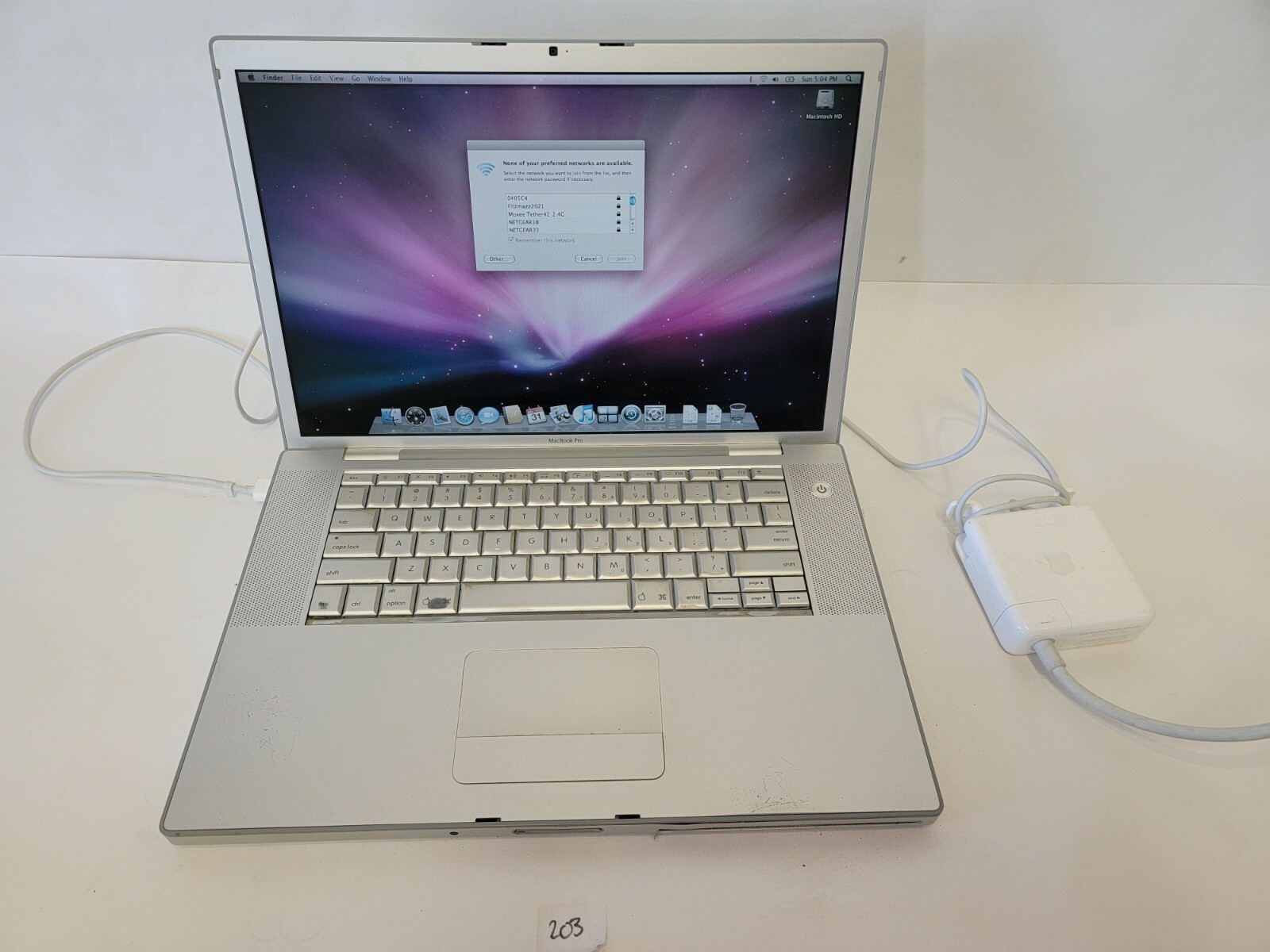
Twenty years ago, the technology landscape was dramatically altered by a single product: Apple’s original MacBook Pro. Unveiled by Steve Jobs at Macworld San Francisco on January 10, 2006, this machine wasn't just an upgrade; it represented a fundamental shift in how professionals and creatives approached their work. Today marks the 20th anniversary of that pivotal moment, a milestone worth reflecting upon.
From PowerBook to MacBook Pro: A Technological Transition
The arrival of the MacBook Pro signified more than just a new product name; it represented Apple's move away from the PowerPC architecture and towards Intel processors. This transition was crucial, allowing for greater performance and compatibility with a wider range of software. The original models were positioned as successors to the existing PowerBook line, targeting professional users who demanded power and reliability.
The 2006 Models: Specifications and Pricing
Apple initially offered two configurations of the 2006 MacBook Pro. The entry-level model commanded a price tag of $1,999 and featured a 15.4-inch display paired with an 1.83GHz Core Duo Intel processor. It also included 512MB of DDR2 RAM clocked at 667MHz and an 80GB hard drive. For users seeking enhanced performance, the high-end model was priced at $2,499. This version boasted a larger storage capacity with a 100GB hard drive and offered optional processor upgrades to either a 2.0GHz or a 2.16GHz Core Duo Intel processor, accompanied by 1GB of RAM.
Evolutionary Design Choices: Defining the Modern MacBook Pro
Over the years, the MacBook Pro has consistently evolved, incorporating numerous design elements that have become synonymous with Apple's premium laptop line. The integration of a built-in webcam was a significant step towards facilitating communication and collaboration. The innovative MagSafe power connector provided an added layer of safety by preventing accidental damage to the laptop or power outlet if the cord were yanked. The shift to aluminum unibody construction not only enhanced durability but also contributed to a sleek, minimalist aesthetic. Later iterations introduced high-resolution Retina displays, dramatically improving visual clarity and detail.
Navigating Design Controversies
While the MacBook Pro’s design has largely been lauded, certain choices haven't resonated universally with users. The Touch Bar, intended as a replacement for physical function keys, proved divisive, with some finding it less intuitive than traditional keys. Similarly, the butterfly-mechanism keyboard faced criticism due to reliability issues and concerns about typing feel.
Looking Ahead: Future Innovations on the Horizon
The future of the MacBook Pro appears poised for further innovation. Rumors suggest upcoming models in 2026 and 2027 could incorporate OLED displays, offering deeper blacks and richer colors. Touchscreen support is another potential addition that would fundamentally alter user interaction. Perhaps most intriguing are whispers of a dedicated Dynamic Island cutout, mirroring the functionality seen on recent iPhones.
Apple's Continued Technological Pursuits
Beyond the MacBook Pro, Apple continues to explore cutting-edge technologies. Reports indicate potential adjustments in production for the M5 Vision Pro due to sales performance, highlighting the challenges of entering new markets. The company is also reportedly developing advanced display technology for future iPhones, including foldable models. Furthermore, there are indications that Apple acquired a competitor's foldable smartphone for research and development purposes, suggesting a serious commitment to advancing its own foldable device offerings. The competition between Apple and NVIDIA regarding TSMC’s advanced packaging capabilities for chips like the M5 Ultra or M6 Ultra is also intensifying.