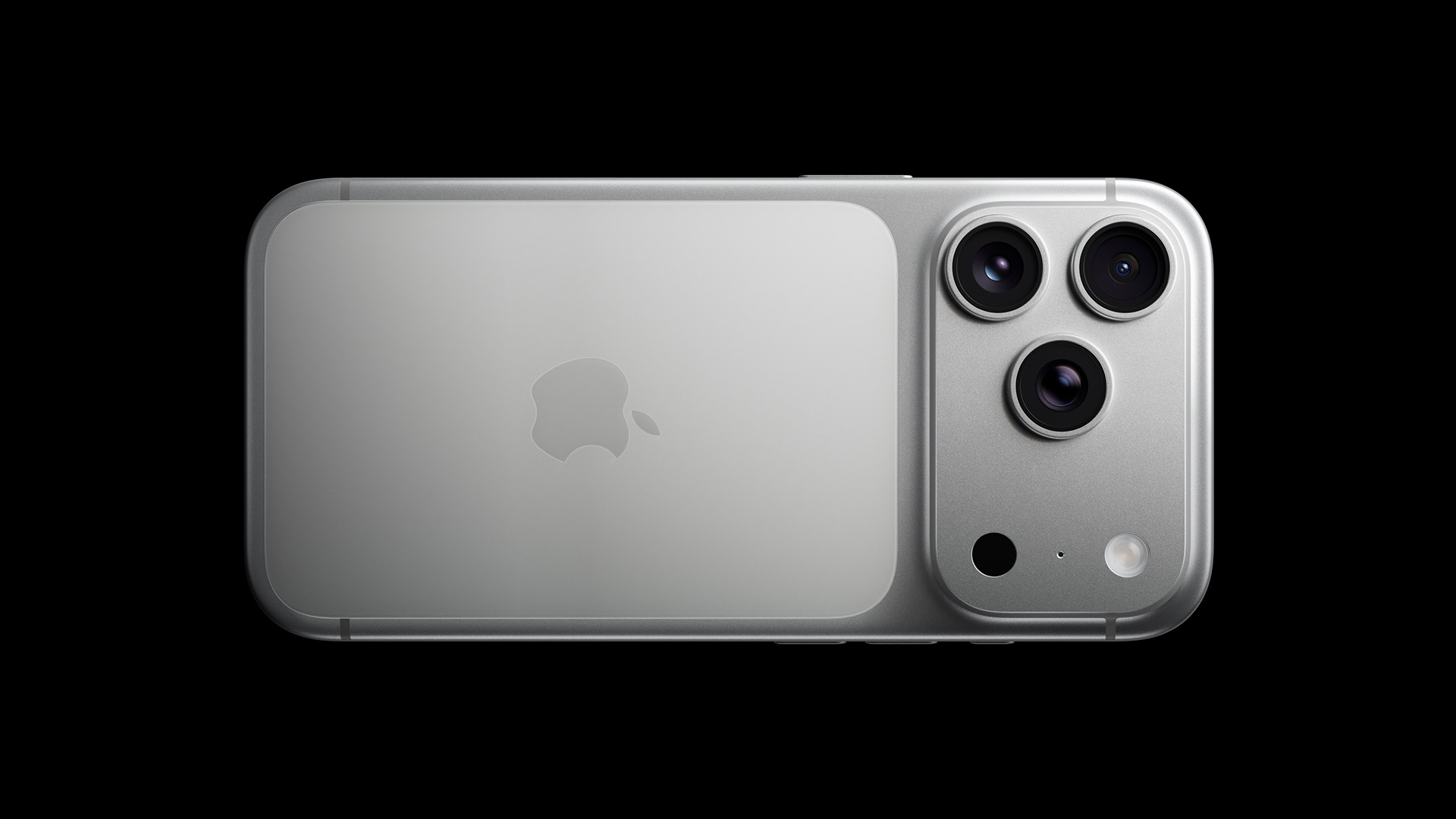
The M5 Max has emerged as Apple's fastest silicon in single-core and multi-core benchmarks, despite its lower core count compared to the M3 Ultra. While the performance gain over the M4 Max is minimal, the M5 Max's ability to outpace the 32-core M3 Ultra in multi-core tasks is notable.
Apple's transition to an 18-core CPU in the M5 Max represents a break from its previous 16-core limit. This change, facilitated by TSMC's 2.5D chiplet design, allows for increased core density and performance potential. The M5 Max's multi-core score is 3.8% higher than the M3 Ultra's, despite having nearly half the number of cores.
Performance Breakdown
- M5 Max (18-core CPU):
- Single-core score: 4,268
- Multi-core score: 29,233
- M4 Max (16-core CPU):
- Single-core score: 4,049 (5.4% slower)
- Multi-core score: 26,509 (10.3% slower)
- M3 Ultra (32-core CPU):
- Single-core score: 3,247 (31.4% slower)
- Multi-core score: 28,169 (3.8% slower)
The M5 Max's single-core performance is 31.4% faster than the M3 Ultra, a result of its higher clock speeds. However, the multi-core advantage is more surprising, given the core count disparity.

Architectural Shift
Apple's adoption of TSMC's 2.5D chiplet design has enabled the company to overcome previous CPU core limitations. This shift allows for more efficient packaging and potentially higher performance in future chips. The M5 Max's performance suggests that Apple is prioritizing efficiency and single-threaded performance over raw core count.
The M5 Max's performance against competitors like the Snapdragon X2 Elite Extreme and x86 CPUs remains to be seen. However, its current benchmarks indicate a strong position in both mobile and desktop markets.