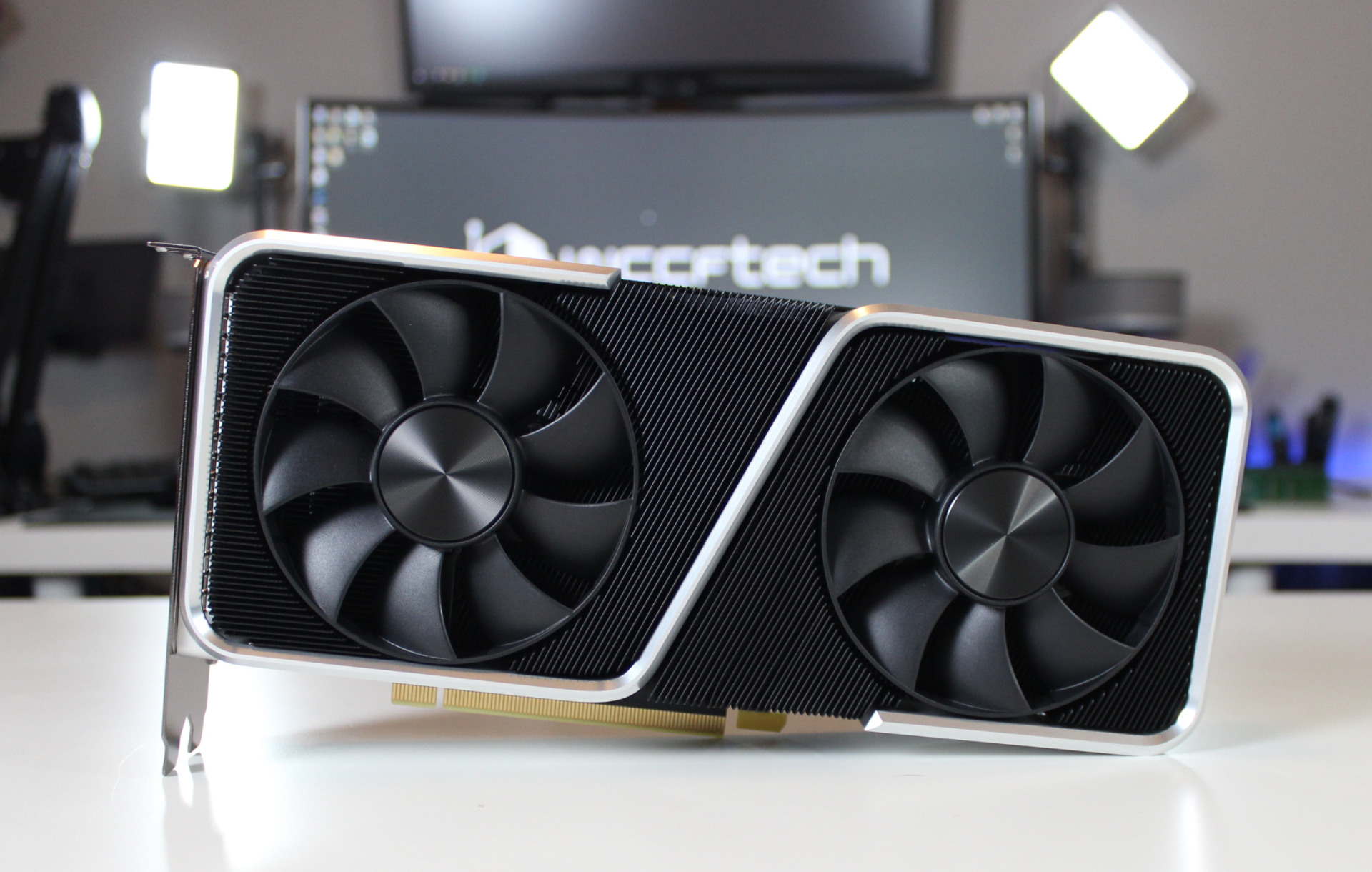
The latest Linux patch focuses on refining the performance of 8GB AMD GPUs by addressing memory allocation inefficiencies. Developed by a Valve engineer, this update introduces subtle changes that reduce stuttering and enhance frame rates in specific GPU models without altering hardware specifications.
Key improvements include
- Enhanced gaming performance on 8GB AMD GPUs with GDDR5 or HBM memory, particularly for cards like the Radeon RX 5700 XT and RX 6700 XT.
- Frame rate gains of up to 12% in select titles, though real-world results can vary depending on game engine and scene complexity.
- Mitigation of traditional VRAM thrashing issues, which previously caused performance drops under heavy loads.
The patch works by adjusting how Linux manages memory fragmentation on these GPUs. Historically, 8GB cards have struggled with fragmentation when handling games that demand large textures or buffers. By refining allocator thresholds, the patch reduces wasted VRAM and delivers smoother frame delivery.
However, not all games experience equal benefits. Open-world titles, especially those leveraging advanced technologies like Unreal Engine 5’s Nanite or AMD’s FidelityFX, show more pronounced improvements compared to linear narrative experiences. Users employing custom resolutions or upscaling modes may also see limited gains if the bottleneck remains CPU-based.
Enabling the patch requires a kernel parameter adjustment, which is not yet integrated into mainstream Linux distributions. While early testers report no critical crashes, some applications—particularly those using Vulkan—may need additional tweaks to avoid artifacts. This positions the patch as a proof-of-concept, suggesting broader optimizations for mid-range GPUs in future updates.
The most notable aspect of this patch is its potential to extend the lifespan of 8GB GPUs without hardware changes. The balance between performance gains and stability risks will determine its widespread adoption, with further testing likely refining this approach over time.