Just as IT managers were adjusting to the last round of price adjustments, Lenovo has delivered a blunt warning: another wave of RAM cost increases is coming in March, and there’s little room for negotiation. The tech giant’s directive to channel partners is clear—place bulk orders now or brace for steeper pricing later.
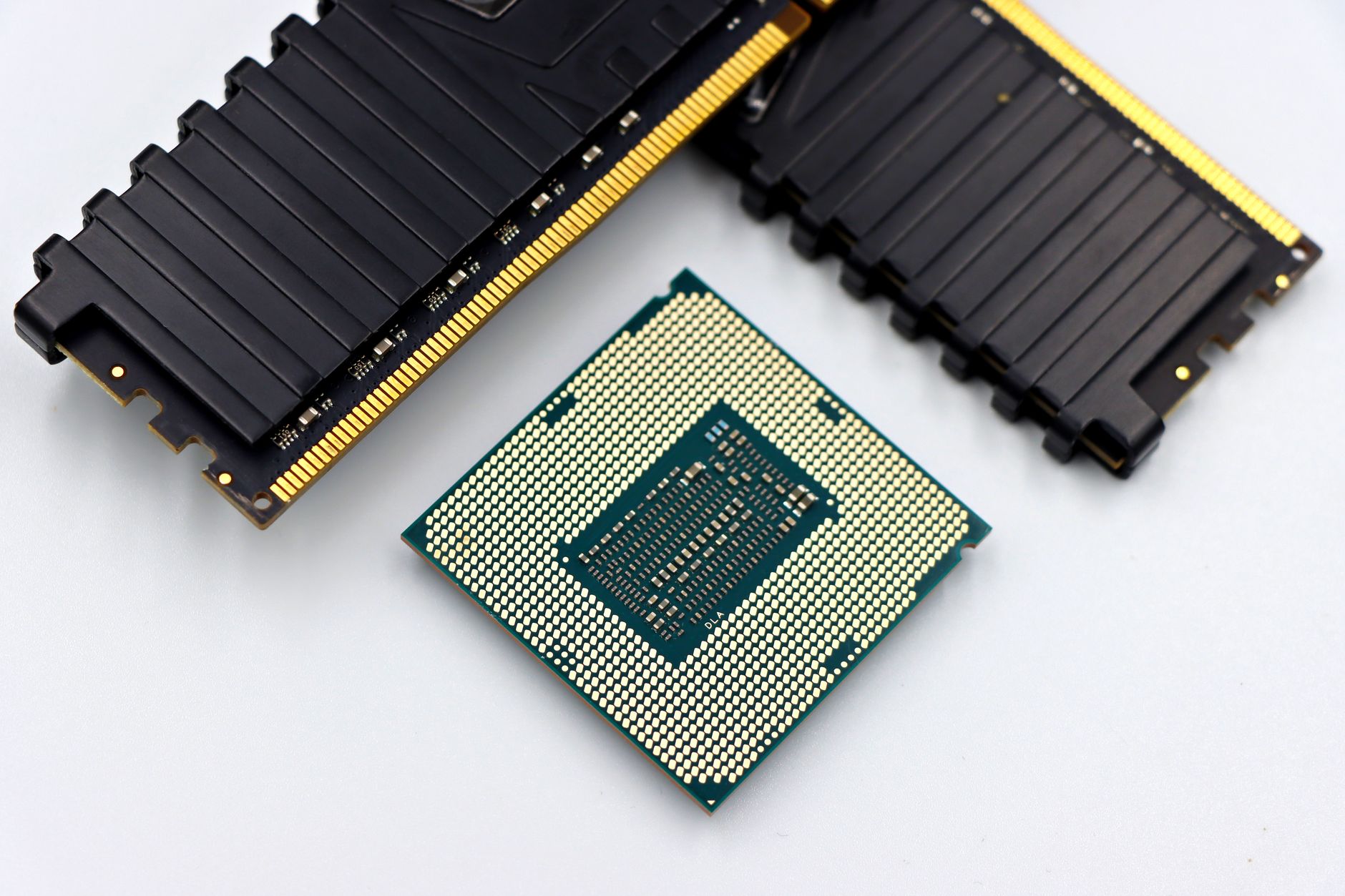
The latest development follows months of strained DRAM supply chains, where manufacturers have struggled to keep pace with demand. Lenovo’s announcement marks a critical turning point, as even large-scale buyers—who typically negotiate long-term contracts—are now facing upward pressure on module costs. The company’s internal memo to partners, obtained by industry sources, states that price hikes of up to 20% for key memory modules are unavoidable, effective March 1.
This isn’t an isolated incident. The broader semiconductor industry has been grappling with supply constraints since early 2023, exacerbated by geopolitical tensions, factory disruptions, and a rebound in AI-driven demand for high-bandwidth memory. While Lenovo hasn’t disclosed exact pricing for its server and workstation RAM kits, insiders suggest the increases will mirror those already implemented by competitors like Samsung and Micron, which have raised DRAM prices by 15–25% in recent quarters.

- Enterprise buyers—particularly those relying on Lenovo’s ThinkSystem servers or P-series workstations—may see immediate cost hikes for configurations with 32GB or higher RAM capacities.
- Channel partners are being advised to lock in current pricing by submitting orders before the March cutoff, though some report difficulty securing allocations due to global shortages.
- Consumer-grade systems, while less directly impacted, could see indirect effects as OEMs pass along higher component costs to retail pricing.
The timing of Lenovo’s move is particularly notable. With many businesses finalizing Q2 budgets, the company’s decision to preemptively raise prices could force IT departments to reallocate funds or delay upgrades. For data centers already stretched thin by inflation, the news arrives as a double-edged sword: either absorb the cost increases or risk operational gaps.
Industry analysts warn that the situation may worsen before it improves. A recent report from a major research firm projected that DRAM prices could remain elevated through mid-2025, unless new production capacity comes online sooner than expected. Lenovo’s partners, meanwhile, are left with a familiar but frustrating dilemma: stockpile now at today’s rates or gamble on future availability—and pay the price for it later.