Gaming handhelds have always faced an uncertain future when it comes to software support, especially those built around specialized hardware like AMD’s APUs. For Lenovo’s Legion Go, that uncertainty has been a recurring theme—until now.
Lenovo has officially stated that it will continue supporting the original 8.8-inch Legion Go with driver and BIOS updates at least until October 2029. This timeline extends far beyond what many users expected, given previous reports suggesting an earlier end to support. The company’s commitment comes after a period of speculation and frustration among gamers, who had grown accustomed to slower update cycles for the device.
The Legion Go, which runs on AMD’s APU architecture, has been a niche product in Lenovo’s lineup, but its longevity in terms of software updates is now a key talking point. While Lenovo has not provided specific details about the frequency or nature of future updates, it has emphasized that new versions will undergo rigorous review before release. This approach mirrors practices seen in other hardware categories, where stability often takes precedence over rapid innovation.
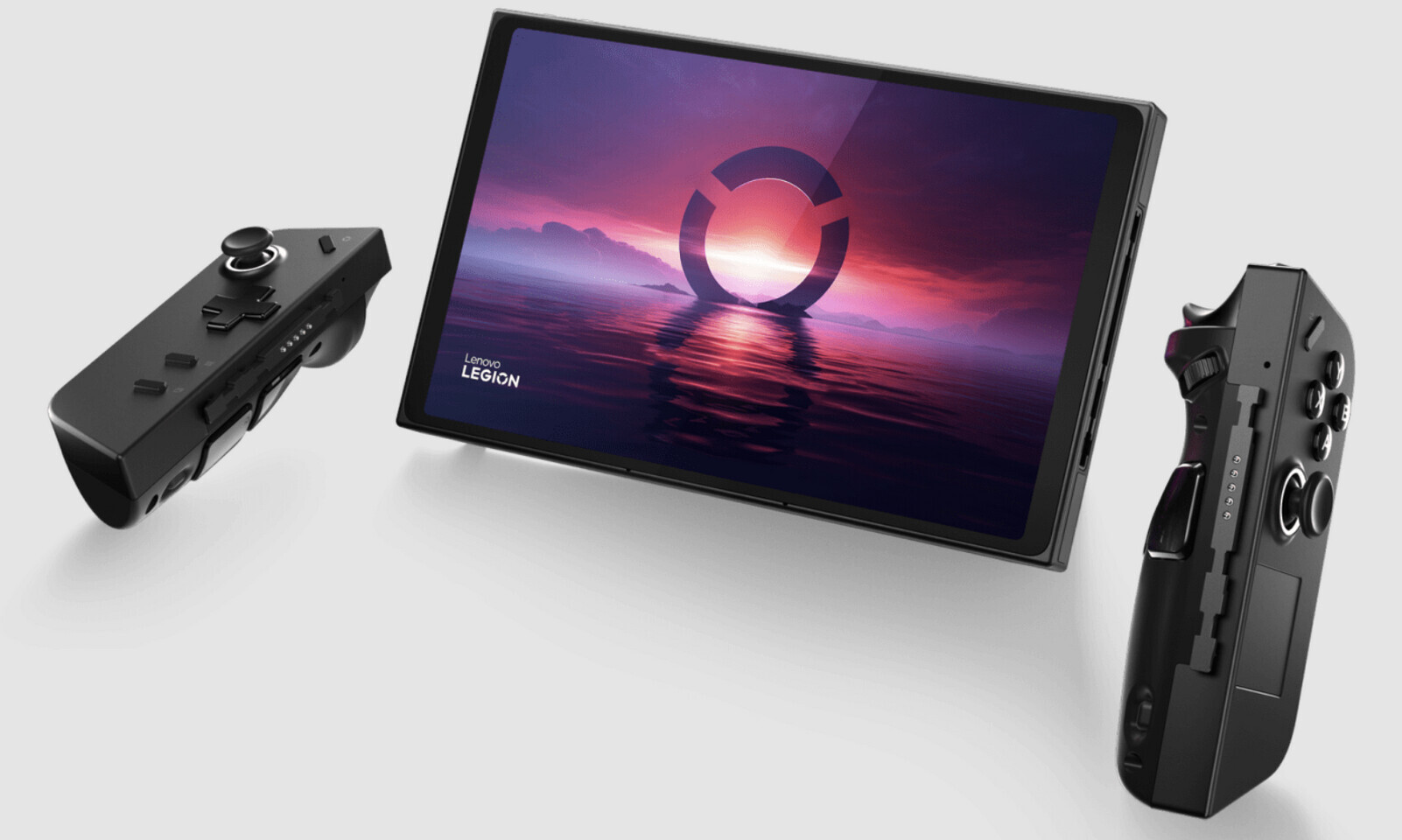
For users who rely on the Legion Go for gaming or productivity tasks, this news is a significant relief. However, the device’s performance is still tied to AMD’s broader driver strategy, which has faced scrutiny in recent years. For example, updates for older Radeon RX 5000 and RX 6000 series GPUs have been placed in ‘maintenance mode,’ indicating that similar considerations may apply to APU-based systems like the Legion Go.
Looking ahead, Lenovo’s extended support window raises questions about how it will balance long-term stability with the need for performance improvements. The company has not hinted at major hardware revisions for the original model, but its partnership with AMD suggests that updates will likely focus on refining existing capabilities rather than introducing new features.
For now, users can expect a steady stream of updates, albeit without the same urgency seen in more mainstream gaming platforms. This approach may satisfy those who prioritize stability over cutting-edge performance, but it also underscores the challenges of maintaining legacy support in an industry that often moves on to newer architectures.