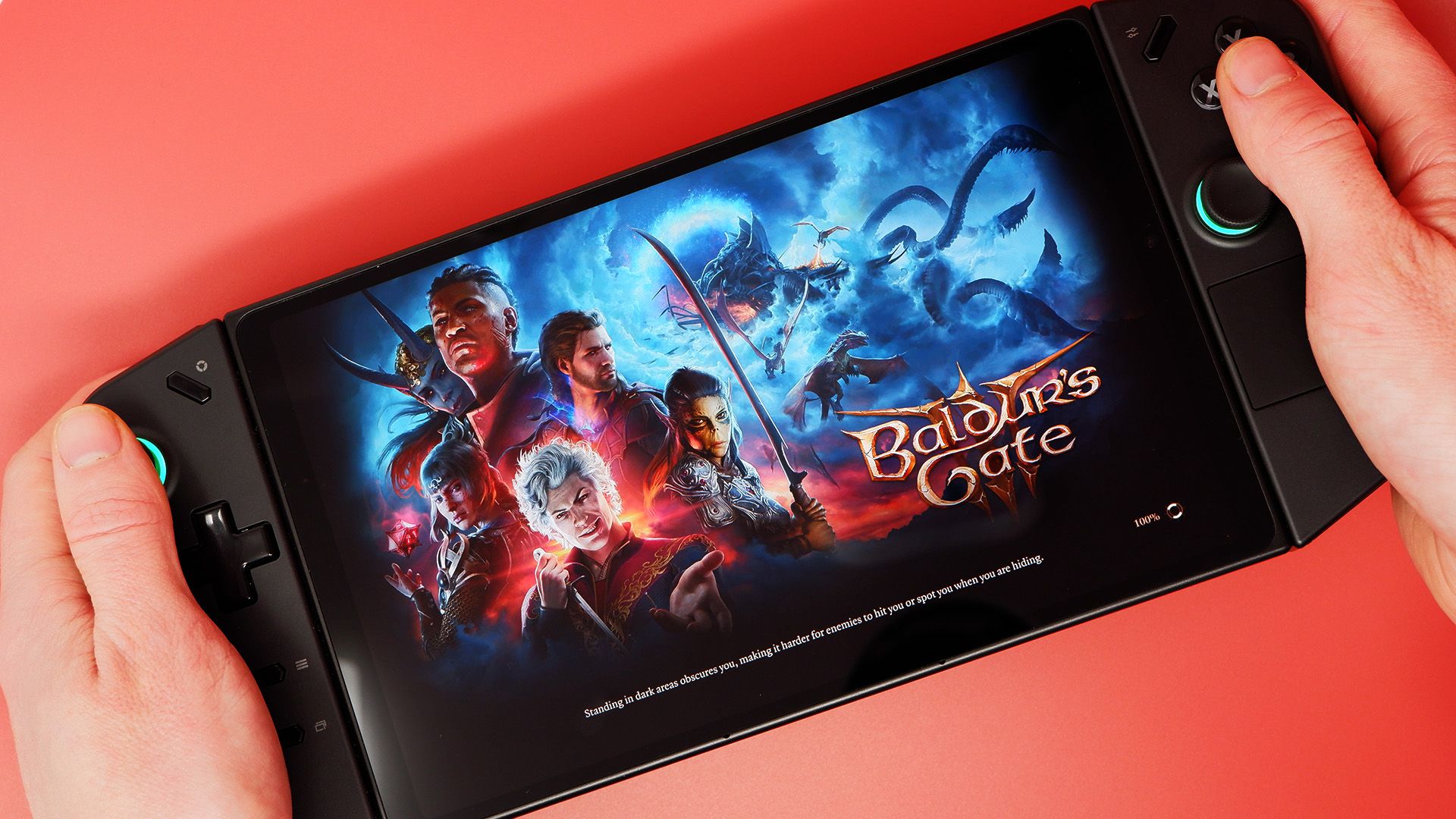
Handheld gaming PCs are still a niche market, but one that Lenovo is betting on for the long term. The company has announced it will continue to support its original Legion Go handheld, based on AMD’s Ryzen Z1 Extreme chip, with driver and BIOS updates through at least October 2029.
This commitment comes after speculation about whether AMD was phasing out support for its Ryzen Z1 series chips. The Legion Go, which launched just over two years ago, remains a premium device in the market, often fetching high resale prices despite being one of the earliest models in this category.
The decision to extend support is strategic for Lenovo, as it reinforces its position in the handheld gaming space while mitigating concerns about platform lock-in. Users who invested in the Legion Go can expect regular updates, ensuring compatibility with future software and games without needing a full hardware upgrade.
Support will include necessary driver and BIOS updates, following Lenovo’s rigorous review protocols. The company is working closely with AMD to determine update cadence, though it has not specified how frequently these updates will arrive. For now, the Legion Go remains one of the few handhelds in this price tier with a clear long-term roadmap.
That said, the move raises questions about why other manufacturers—particularly Asus with its ROG Ally—have been less vocal about their own support commitments. The Ally, also based on AMD’s Ryzen Z1 Extreme, has seen performance issues in recent games, and while a driver update was released recently, it did not resolve the underlying problems. Lenovo’s extended support could create a competitive advantage if other brands do not match this level of commitment.
The handheld gaming market is still evolving, with small businesses and enthusiasts often prioritizing portability over raw performance. For those who see value in the Legion Go’s 8.8-inch display, 16GB of RAM, and 64-bit processing power, Lenovo’s pledge provides reassurance that their investment won’t become obsolete prematurely.
Key points for users
- The Legion Go will receive driver and BIOS updates until October 2029.
- Updates will be released after passing Lenovo’s review protocols.
- No immediate changes to the 144Hz display or other core specs are expected.
- Users should monitor official announcements for update schedules.
For small businesses or developers looking to integrate handheld gaming into their workflows, this news suggests a more stable ecosystem than previously assumed. However, the lack of similar commitments from competitors means Lenovo may have an edge in long-term platform loyalty—something that could shape future hardware and software strategies for portable devices.