Storage technology has always been a balancing act between speed and capacity, but Kioxia's latest XG10 series breaks that balance entirely. By embracing PCIe 5.0, the company hasn't just incrementally improved performance—it has reimagined what storage can do in modern systems. This isn't about shaving off milliseconds or adding a few gigabytes; it's about creating a platform where data moves with near-instantaneous responsiveness, setting new benchmarks for AI workloads, professional content creation, and high-end gaming.
Designing for the Future
The XG10 series reflects Kioxia's commitment to forward-thinking design. Unlike previous generations that focused on squeezing out marginal gains, this iteration prioritizes architectural efficiency. The shift to PCIe 5.0 isn't just a hardware upgrade—it's a rethinking of how data flows through the drive. Internal optimizations, including advanced caching mechanisms and improved NAND management, ensure that the theoretical speed boosts translate into real-world performance without sacrificing reliability or endurance.
Hardware Innovations
The move to PCIe 5.0 brings more than just raw speed; it introduces a fundamental change in how storage interacts with modern CPUs and GPUs. The XG10 series leverages this by optimizing both sequential and random operations, which are critical for applications that thrive on rapid data access. For instance, AI inference tasks or rendering complex 3D scenes benefit significantly from the reduced latency and increased throughput. These gains aren't just about numbers—they translate into smoother workflows, fewer bottlenecks, and more efficient use of system resources.
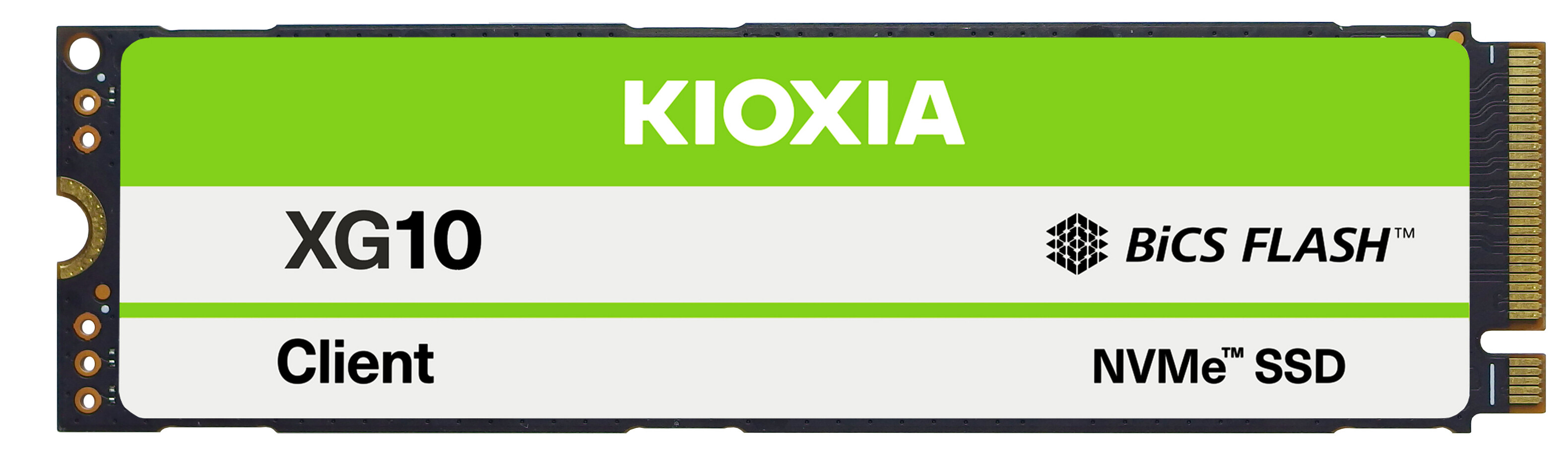
Key Specifications
- Interface: PCIe 5.0 (Gen5 x4) with NVMe 2.0d compliance
- Form Factor: M.2 Type 2280
- Capacities:
- 512 GB
- 1,024 GB (1 TB)
- 2,048 GB (2 TB)
- 4,096 GB (4 TB)
- Performance:
- Sequential read: Up to 14,000 MB/s
- Sequential write: Up to 12,000 MB/s
- Random read (Q32T1): Up to 2,000 KIOPS
- Random write (Q32T1): Up to 1,600 KIOPS
- Security: Self-Encrypting Drive (SED) support based on TCG Opal 2.02
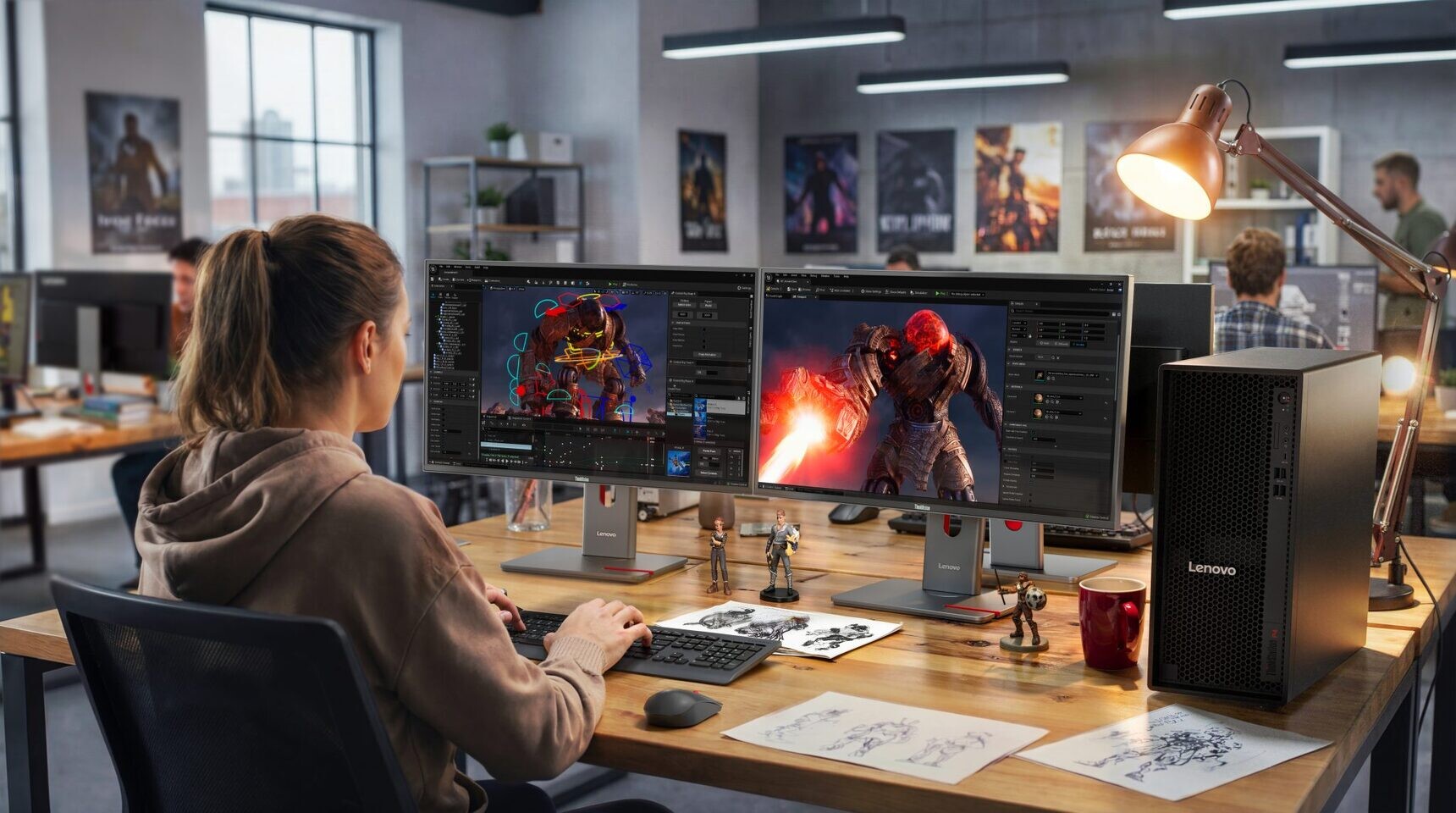
- Use Cases: AI PCs, workstations, high-end gaming platforms
The XG10 series also introduces self-encrypting drive support, a feature that addresses growing concerns around data security in professional and enterprise environments. This ensures that users can prioritize performance without compromising on the protection of sensitive information.
Seamless Integration and Future-Proofing
The M.2 2280 form factor makes the XG10 series a seamless upgrade for systems already equipped with PCIe 4.0 or earlier setups. This compatibility, combined with its high-performance capabilities, positions it as an ideal choice for users who demand both speed and reliability. Whether it's handling large datasets in AI applications, rendering high-resolution content, or delivering immersive gaming experiences, the XG10 series is designed to meet these demands without breaking a sweat.
What Lies Ahead
The XG10 series is currently being sampled to select OEM partners, with mass availability expected in the second quarter of this year. While pricing details are yet to be announced, the performance gains suggest that these drives will be positioned at the premium end of the market. This makes them a compelling option for users who cannot afford to compromise on speed or reliability.
The bigger question, however, is whether PCIe 5.0 SSDs like the XG10 series will become a standard in high-performance systems or remain a niche offering. The answer may depend on how quickly software and applications adapt to take full advantage of these speeds. As it stands, Kioxia's XG10 series sets a new benchmark for storage performance—one that will be closely watched by gamers, content creators, and AI enthusiasts alike.