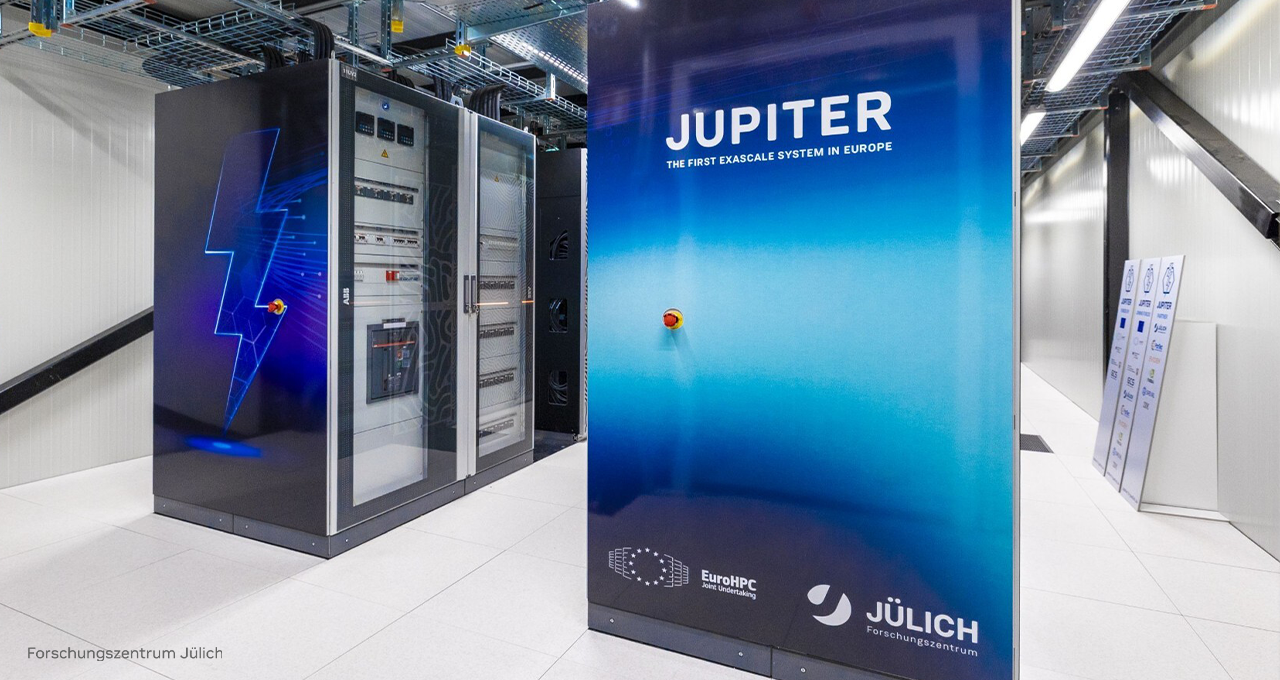
Exascale computing has transitioned from theoretical ambition to operational reality, and Europe’s Jupiter supercomputer stands as a testament to this shift. Deployed at Forschungszentrum Jülich, Jupiter performs over one quintillion calculations per second—a feat that translates into tangible scientific breakthroughs. Unlike previous generations of supercomputers, Jupiter doesn’t just chase performance metrics; it delivers measurable advancements in fields where computational power directly accelerates discovery.
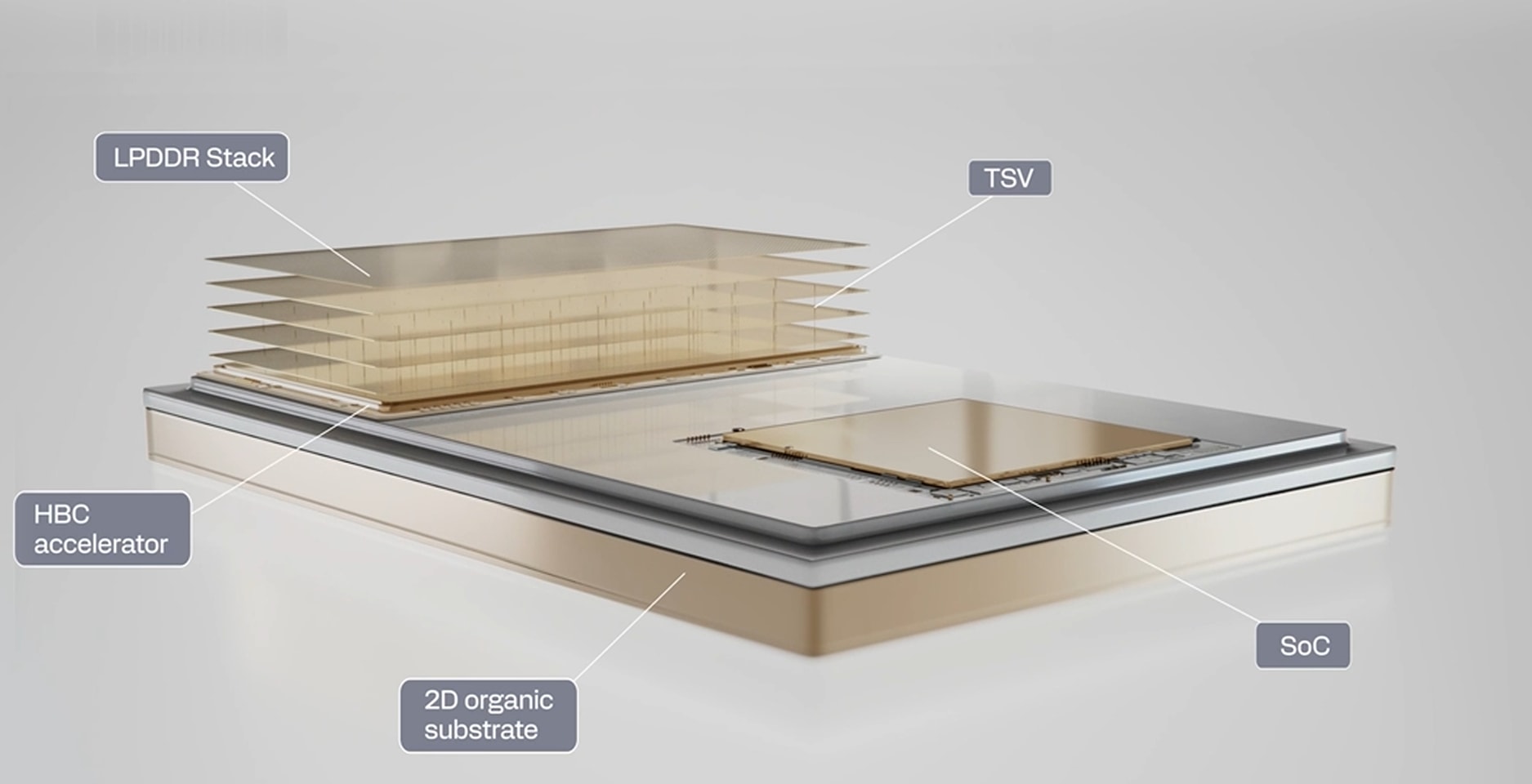
The system’s foundation lies in NVIDIA’s Grace Hopper Superchip and Quantum-X800 networking, an architecture designed to optimize both speed and efficiency. The integration of CPU and HBM2e memory on the Grace Hopper chip minimizes data movement delays, a critical factor for applications that demand high throughput and low latency. Meanwhile, Quantum-X800 ensures seamless communication across nodes, addressing one of the most persistent challenges in large-scale computing. This balance between power and efficiency is essential as research workloads grow more complex, pushing the limits of what supercomputers can handle without proportional increases in energy consumption.
Four Projects, Four Leaps Forward
Jupiter’s immediate impact is evident through four high-impact projects that leverage its exascale capabilities. These initiatives span human health, quantum simulation, and advanced physics, each demonstrating how extreme-scale computing can tackle problems previously beyond reach.
- Mapping the human brain at synaptic resolution, revealing connections between neurons with unprecedented clarity.
- Simulating quantum materials to identify new energy storage solutions, potentially revolutionizing battery technology.
- Modeling plasma interactions in fusion research, offering insights that could accelerate the development of clean energy.
- Analyzing molecular structures for AI-driven drug discovery, enabling faster and more precise identification of therapeutic candidates.
These projects highlight a fundamental tradeoff: exascale performance requires significant resources, but the scientific returns are substantial enough to justify the investment. Jupiter’s design addresses scalability without compromising efficiency—a challenge that has long hindered the adoption of extreme-scale systems. The system’s ability to process vast datasets at speed while maintaining energy efficiency positions it as a model for future HPC deployments.
Implications for Research and Industry
The practical implications of Jupiter extend far beyond its immediate scientific applications. For research institutions and organizations evaluating high-performance computing solutions, the system serves as a blueprint for what is achievable today without waiting for next-generation hardware. The key consideration for potential adopters is no longer just raw performance but how these systems can be integrated into existing workflows while managing infrastructure costs.
For broader industries, the ripple effects of exascale computing will be transformative. Advances in drug discovery, climate modeling, and quantum research—all accelerated by Jupiter’s capabilities—will eventually translate into real-world applications, from personalized medicine to sustainable energy solutions. The challenge lies in ensuring that these systems do not become financial burdens but rather catalysts for innovation.
A New Era of Scientific Computation
Jupiter represents more than a technological milestone; it signals the beginning of a new era where exascale computing is no longer a distant promise but an operational reality. Its success demonstrates that cutting-edge performance can coexist with practical, measurable outcomes—proving that the boundaries between theoretical potential and applied science are becoming increasingly fluid. As research demands continue to grow, Jupiter sets a precedent for how future supercomputers will redefine the possibilities of scientific discovery.