The iPhone 19e is poised to introduce a display feature that has long been exclusive to Apple’s Pro models, marking a significant shift in how the company positions its mid-tier devices. This change could redefine expectations for what consumers demand from budget-friendly iPhones while reinforcing Apple’s commitment to maintaining a consistent software and hardware ecosystem.
Apple’s decision to extend this display technology—likely referring to a higher refresh rate or advanced OLED implementation—to the 19e series suggests a strategic move to align the user experience between entry-level and Pro models. Historically, features like ProMotion (a 120Hz adaptive refresh rate) have been limited to iPhones priced at $849 or above, but the 19e could challenge that narrative by offering similar fluidity without the premium price tag.
While no official confirmation exists yet, industry reports indicate that the 19e will share key display characteristics with the anticipated iPhone 17 lineup, which is expected to debut in early 2028. This would mean a shift away from the traditional 60Hz standard, potentially making the 19e one of the most responsive mid-range smartphones on the market when it launches.
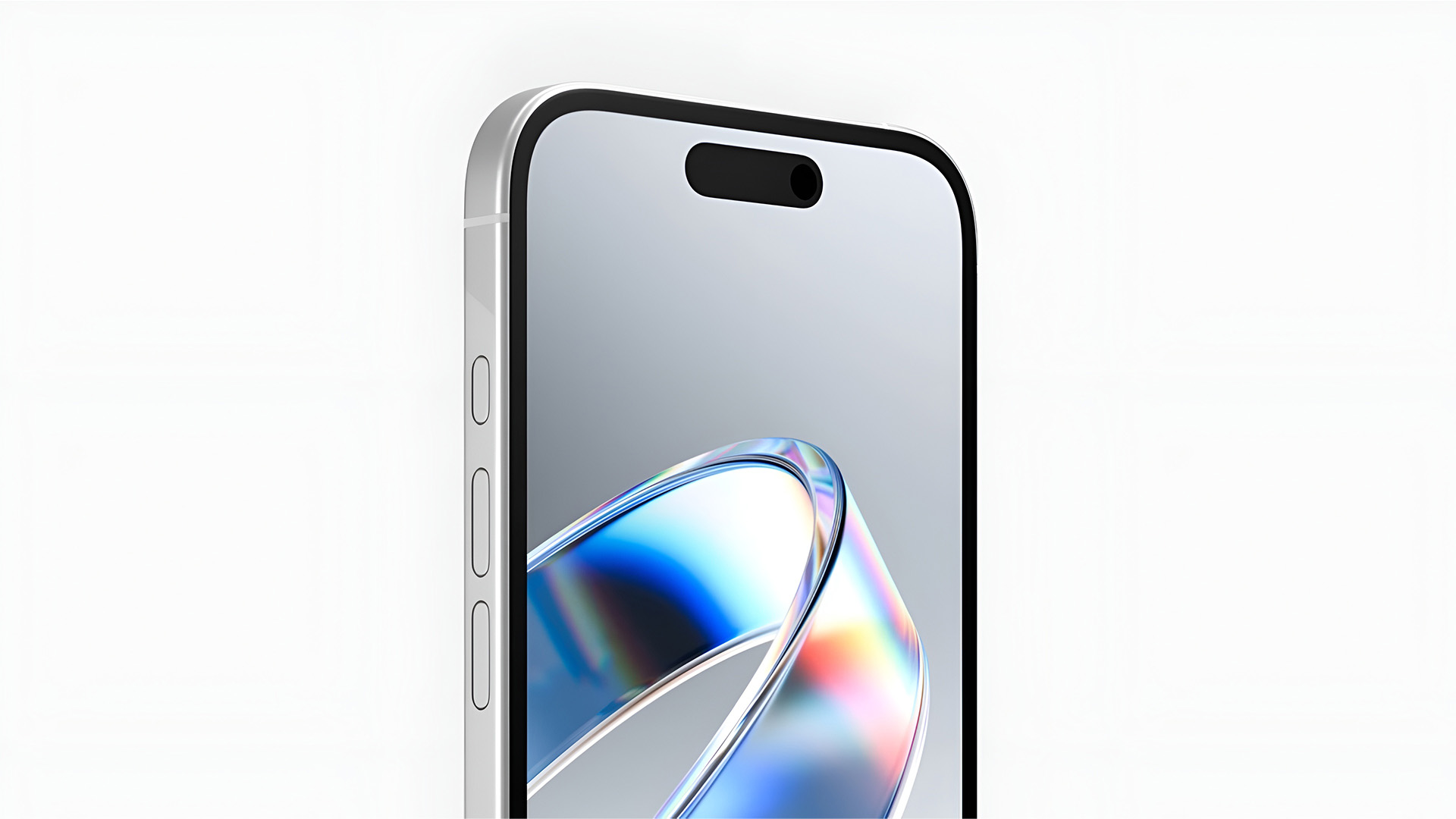
For developers, this change introduces new considerations for performance tuning and user interface design. Apps optimized for ProMotion will no longer be an exclusive feature, allowing for more consistent haptic feedback and smoother animations across Apple’s entire device lineup. However, whether software updates will fully optimize non-Pro apps for 120Hz remains an open question.
On the hardware side, the implications are equally nuanced. A higher refresh rate demands more power from the chipset, which could influence battery life or thermal management—factors that have historically been trade-offs in mid-range devices. Early prototypes may not yet reflect final optimizations, but if Apple can balance these elements, the 19e could set a new standard for what’s expected in budget iPhones.
The most immediate takeaway is that the 19e will no longer feel like an afterthought in terms of display technology. If this trend holds, it could pressure competitors to either match Apple’s mid-range offerings or risk falling behind in a segment where performance parity has become non-negotiable for many users.