The iPhone 18 Pro's variable aperture camera technology represents a significant leap forward for smartphone photography, but its impact extends beyond just image quality. Unlike traditional fixed-aperture systems, this new approach allows the camera to adjust light intake dynamically, potentially offering brighter images in low light while maintaining control over depth of field. However, the question remains whether this innovation will arrive at a time when consumers are ready for such advanced features or if it will get lost in the sea of incremental upgrades.
Variable aperture technology has been around for years, but its adoption in smartphones has been limited due to the challenges of integrating mechanical components into compact devices. The iPhone 18 Pro's implementation is expected to address these hurdles, with a system that can seamlessly transition between aperture sizes—likely ranging from f/1.4 to f/2.4—depending on lighting conditions. This could mean more natural-looking images in low light without the need for excessive computational processing, which often leads to artifacts or noise.
The production milestone suggests Apple is confident that this feature will become a major selling point, particularly for users who prioritize photographic flexibility. For developers and power users, the implications are more nuanced: better low-light performance could streamline workflows, but it also introduces new challenges in software optimization. Whether this shift will push competitors to adopt similar technology or if it will remain a niche feature depends on how Apple balances performance with practicality.
Performance and Efficiency
The variable aperture isn't just about the camera hardware; it's also tied to efficiency gains that could influence battery life and thermal management. Previous iPhones optimized for fixed apertures, meaning the sensor and image processor had to work harder in low light, often leading to increased power draw. A dynamic aperture system could reduce this strain by adapting to lighting conditions more efficiently, potentially extending battery life or allowing for longer bursts of shooting without overheating.
Key Specs
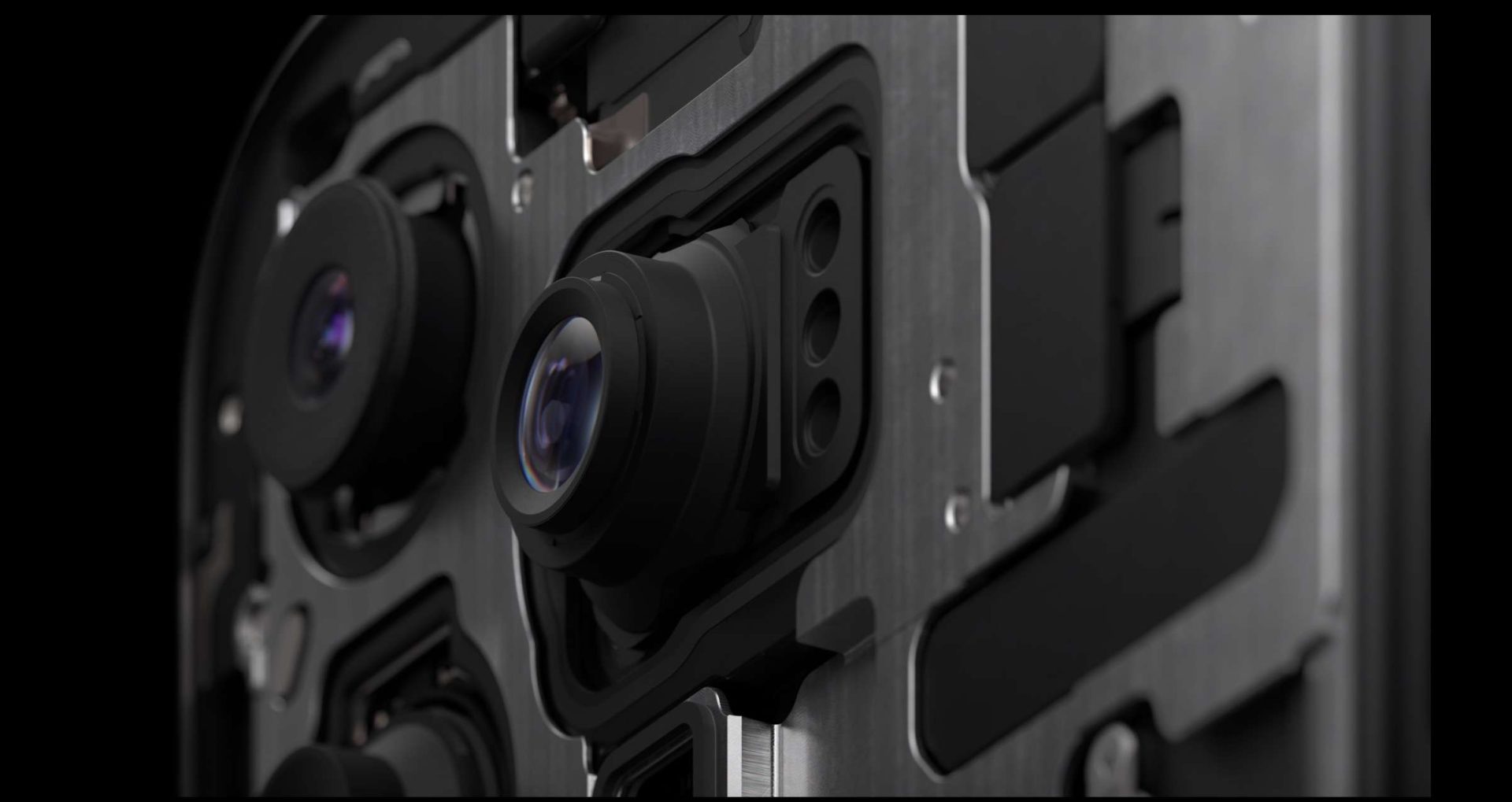
- Camera System: Variable aperture (likely f/1.4–f/2.4 range) for main sensor, with additional sensors for depth and low-light performance.
- Image Processor: Likely an upgraded version of Apple's A-series chip, optimized for dynamic aperture data processing.
- Battery Efficiency: Improved power management expected due to adaptive light intake, reducing sensor workload in low-light scenarios.
The real-world impact isn't just about the hardware. Developers will need to adapt their apps to leverage this feature effectively, while end users might see more noticeable improvements in low-light photos and video stability. However, the variable aperture's full potential could be limited by software constraints—Apple's computational photography stack may not yet be optimized for such dynamic adjustments.
Uncertainties and Tradeoffs
One major question is whether this feature will come at a cost to other components, such as battery capacity or overall device thickness. Variable aperture systems typically require more mechanical complexity, which could impact form factor or pricing. Additionally, the learning curve for users accustomed to fixed-aperture cameras might slow adoption, making it a feature that appeals primarily to enthusiasts rather than casual users.
Where Things Stand Now
The iPhone 18 Pro's variable aperture camera is still months away from release, but its production status indicates Apple is serious about pushing this technology into the mainstream. For buyers, the decision will come down to whether they see value in photographic flexibility or if it becomes just another incremental upgrade. The market dynamics suggest that if this feature proves reliable and user-friendly, competitors will follow—but for now, it remains a gamble on whether Apple can turn a technical achievement into a compelling selling point.