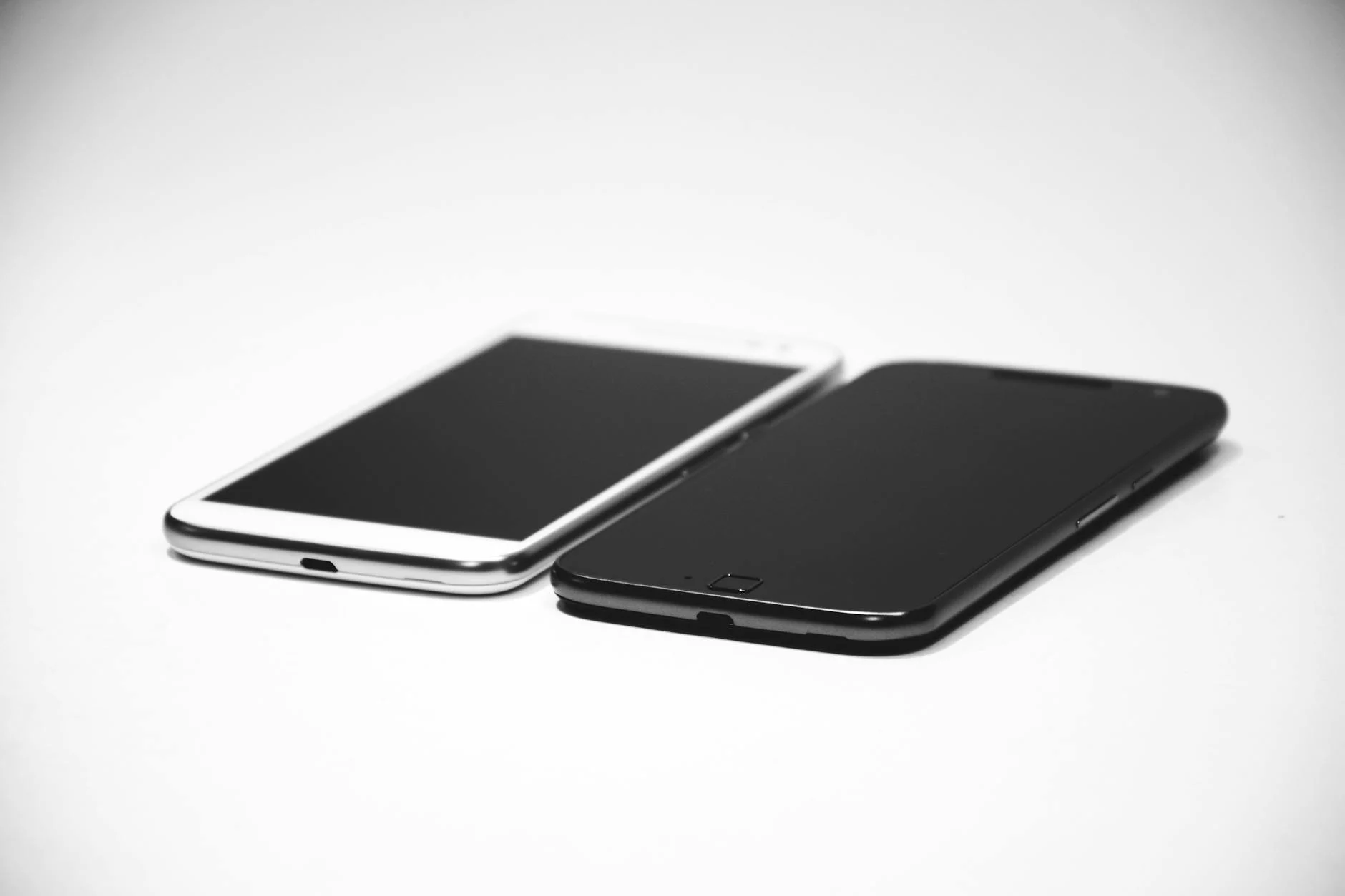
Apple’s 2026 flagship strategy appears locked in: while the iPhone 18 Pro and Pro Max will retain their familiar titanium-and-glass design, the real innovation lies inside. Trial production has reportedly begun for both models, with mass manufacturing set to ramp up in July—a timeline that aligns with Apple’s traditional September launch window.
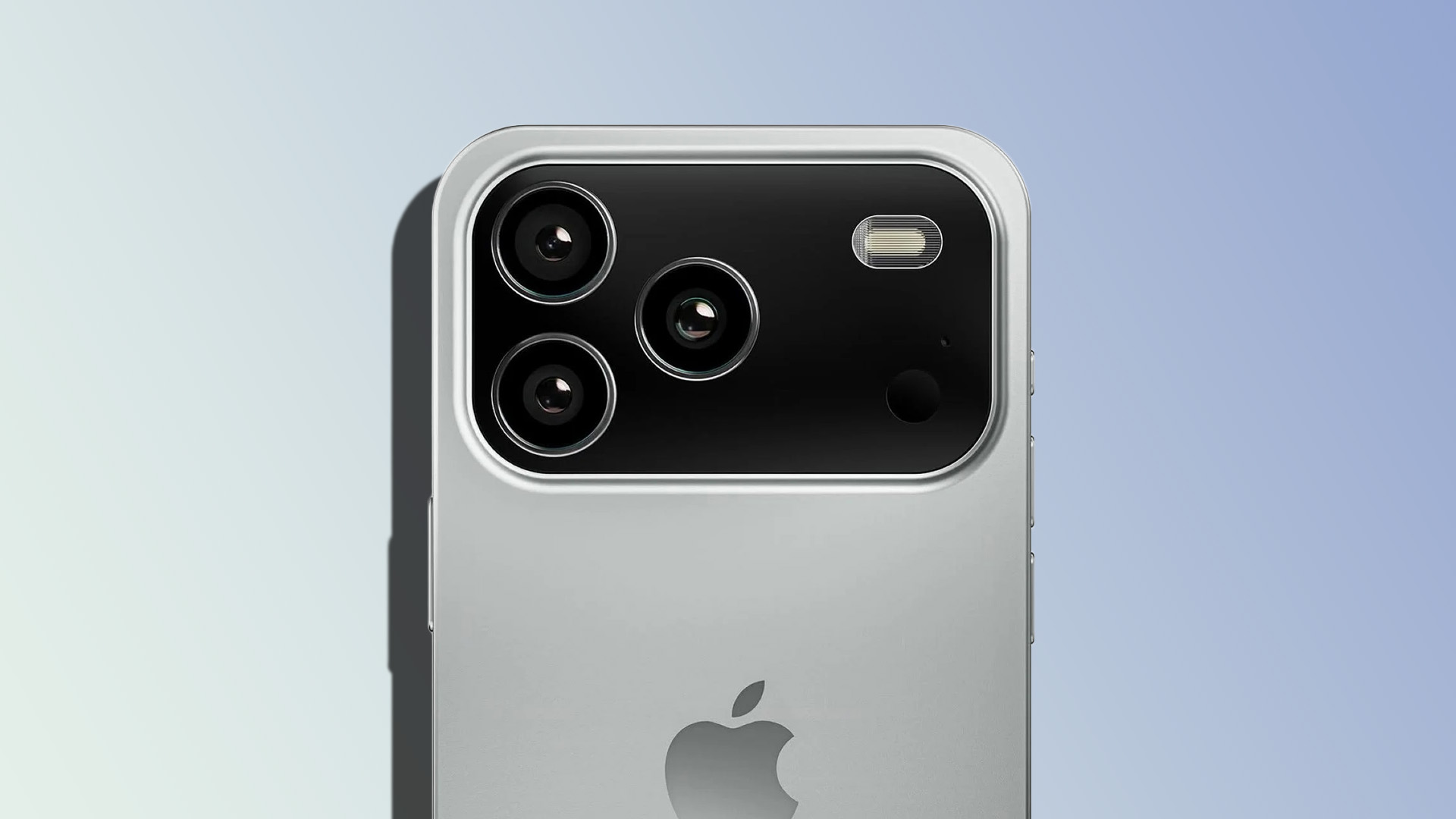
This marks the first concrete confirmation that Apple is moving beyond the iPhone 17 Pro’s architecture, though the company’s signature minimalism extends to the exterior. No radical redesigns are expected, meaning the Camera Plateau, dual-tone finishes, and aluminum chassis will return.
Why it matters: Apple’s focus on incremental yet impactful upgrades suggests a calculated approach to performance and efficiency without alienating users who value design consistency.
What’s changing under the skin?
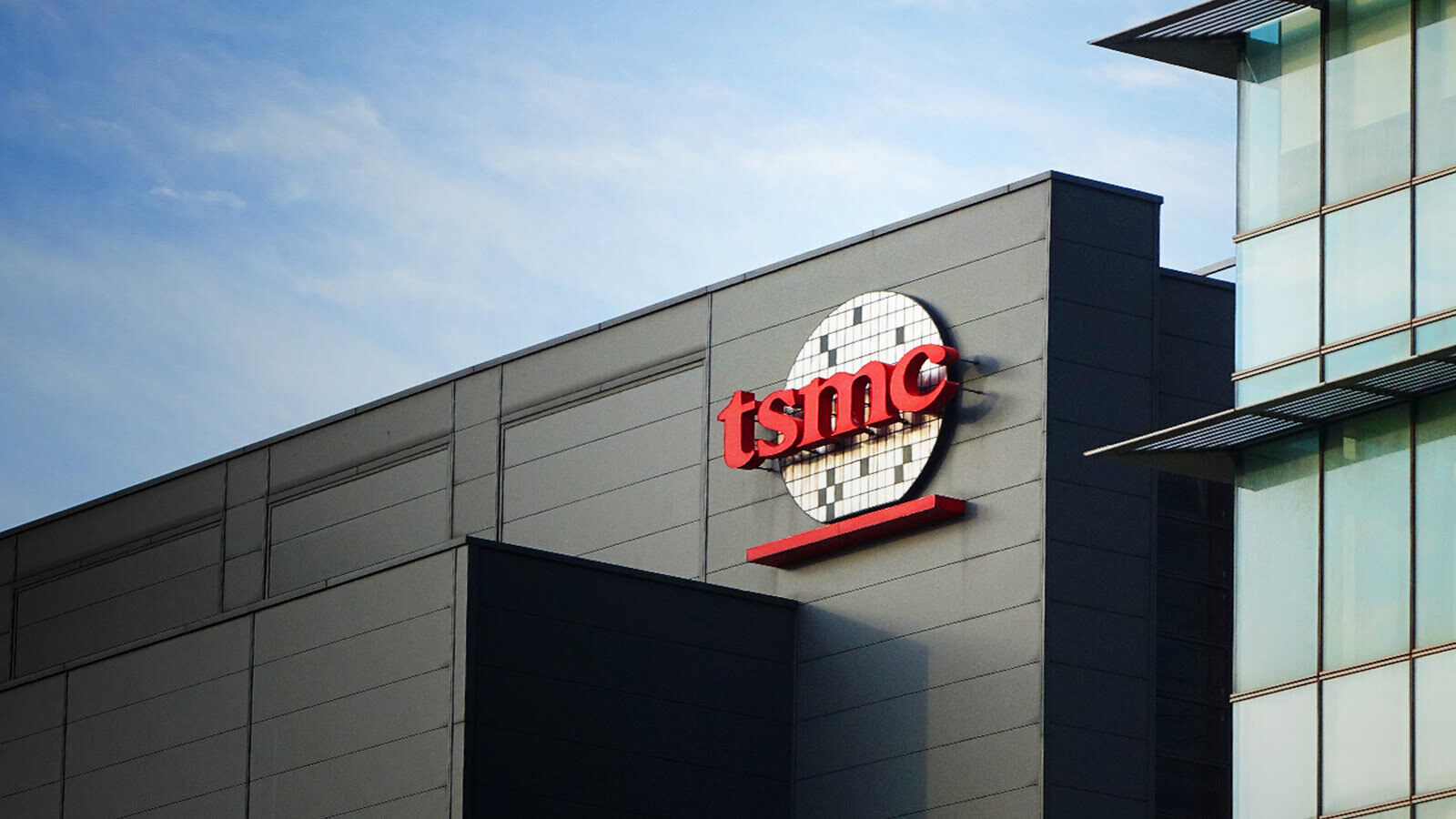
The iPhone 18 Pro series will introduce two major under-the-hood shifts. First, both models will shift to TSMC’s 2nm process for their custom A20 and A20 Pro chips, promising a significant leap in power efficiency and raw performance. Early benchmarks suggest these chips could outpace competitors in single-core workloads while sipping less battery.
Second, Apple’s in-house C2 5G modem is rumored to support satellite connectivity—potentially enabling direct messaging and emergency SOS calls even in remote areas. This feature, if confirmed, would position the iPhone 18 Pro as the first consumer device to integrate Apple’s satellite network capabilities.
Camera and battery: subtle but meaningful upgrades
The camera system will see its most notable refinement yet: the telephoto lens is expected to adopt a larger aperture, improving low-light performance without sacrificing zoom range. Meanwhile, the iPhone 18 Pro Max will feature a larger battery than its predecessor, addressing one of the iPhone 17 Pro Max’s biggest criticisms—runtime.
These changes hint at Apple’s balancing act: delivering tangible improvements without disrupting the ecosystem. Developers and accessory makers will benefit from the familiar form factor, while users get incremental gains in speed, battery life, and connectivity.
Who stands to gain?
Power users and professionals will likely see the most immediate impact. The 2nm chips could extend the iPhone’s relevance in fields like video editing and AR, where sustained performance is critical. Meanwhile, the satellite connectivity—if it arrives—would appeal to travelers and outdoor enthusiasts.
For the average user, the upgrades translate to longer battery life, faster app launches, and potentially smoother multitasking. The lack of a design refresh, however, may leave some wondering if Apple is prioritizing incrementalism over bold innovation.
What’s next?
With trial production underway, the focus now shifts to Apple’s internal validation process. If no major design or feature changes emerge by mid-year, the September launch could proceed as planned—though leaks often surface closer to the event. One wild card remains: whether Apple will introduce the rumored ‘deep red’ color option, a nod to the iPhone 17 Pro’s Cosmic Orange success.
For now, the iPhone 18 Pro series appears to be a study in refinement: same shell, smarter guts. Whether that’s enough to justify an upgrade for iPhone 15 users remains to be seen.