The iPhone 18 Pro is set to mark a significant turning point for Apple’s display supply chain, with indications that the company may be reducing its reliance on China’s BOE in favor of Samsung. This potential shift comes as the tech giant refines its approach to the Dynamic Island feature, which has become a focal point of industry speculation and debate.
Sources close to the matter suggest that Apple is evaluating its long-standing partnership with BOE, particularly regarding display orders for upcoming models. While no official confirmation has been made, the move could signal broader changes in Apple’s global supply chain dynamics, potentially impacting manufacturing timelines and component sourcing strategies for IT teams and developers.
On the hardware front, the iPhone 18 Pro is expected to feature a range of advanced specifications designed to enhance performance and user experience. Key details include
- Display: Likely to adopt OLED technology with improved brightness and color accuracy, potentially sourced from Samsung.
- Chipset: Rumored to be powered by an A-series chip with enhanced AI capabilities, possibly the A18 Pro.
- Memory: Up to 24GB of RAM, a notable increase from previous models, aimed at supporting more demanding applications and multitasking scenarios.
- Storage: Options expected to range from 256GB to 1TB, catering to both consumer and professional use cases.
- Cameras: A multi-lens system with advanced computational photography features, including improved low-light performance and video stabilisation.
These specifications suggest a focus on delivering premium performance for IT teams and power users, particularly in areas like data processing, media editing, and augmented reality applications. However, the shift away from BOE could introduce logistical challenges, such as potential delays or increased costs, depending on the scale of Samsung’s involvement.
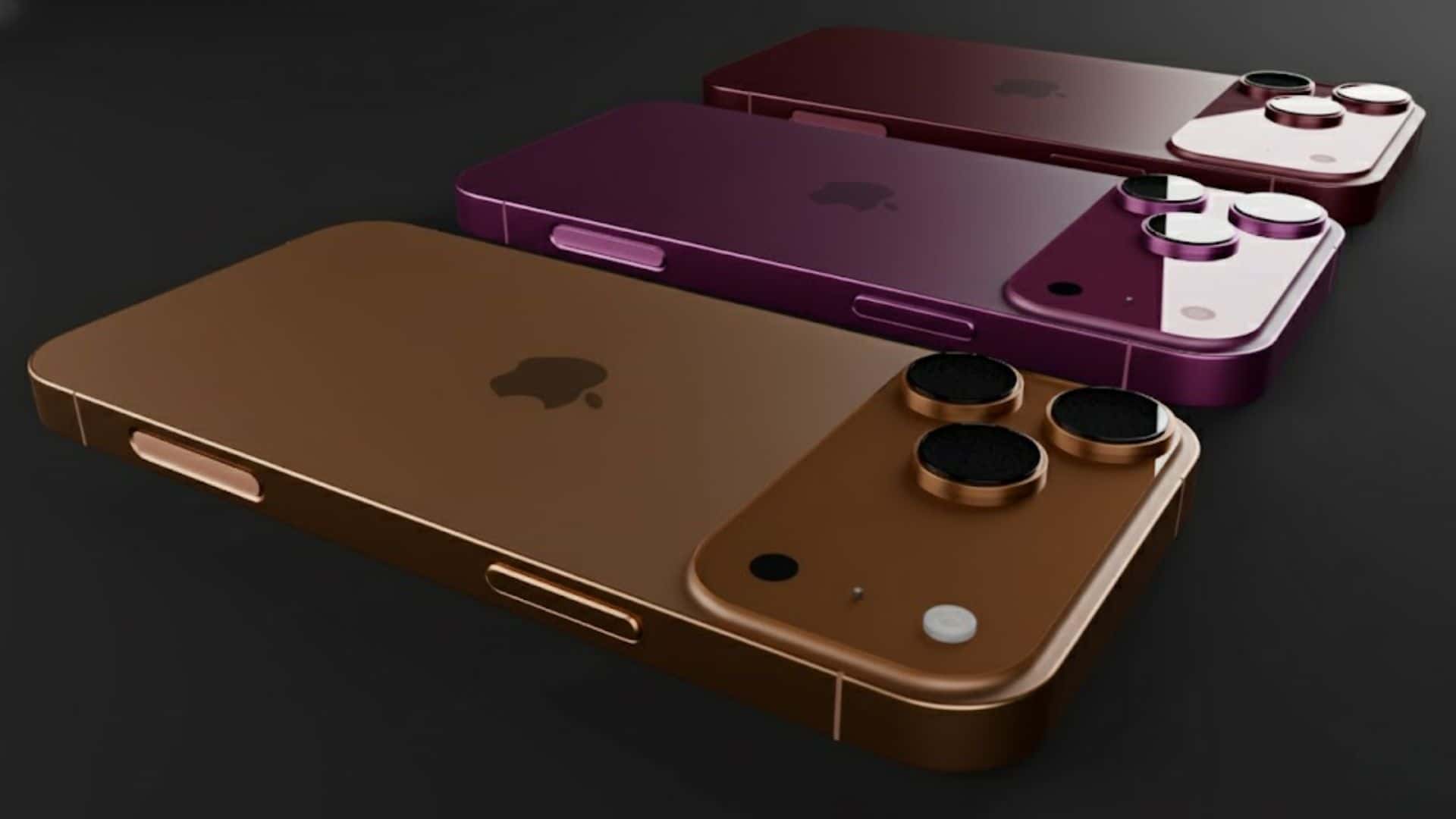
The Dynamic Island feature, a distinctive design element introduced in previous iPhone models, remains a subject of intense discussion among industry analysts. While some argue that it enhances usability by consolidating notifications and interactive elements, others suggest that its effectiveness may be limited in certain workflows, particularly for users who rely heavily on third-party applications or customisations.
For IT teams responsible for device procurement and deployment, the potential shift to Samsung could bring both opportunities and challenges. On one hand, Samsung’s established manufacturing capabilities and supply chain integration might streamline production and reduce lead times. On the other, the transition may require careful planning to ensure compatibility with existing software frameworks and enterprise policies.
As Apple continues to refine its strategy for the iPhone 18 Pro, the debate over the Dynamic Island and the shift in display sourcing will likely remain a key topic of discussion. While the exact timeline for these changes is still unclear, industry observers are closely monitoring how this evolution may impact Apple’s market position and product roadmap.
For now, users and IT teams can expect a device that pushes the boundaries of performance and design, but with the caveat that supply chain dynamics and feature usability will play significant roles in shaping its reception. The full extent of these changes, however, remains to be confirmed as Apple prepares for its upcoming product cycle.