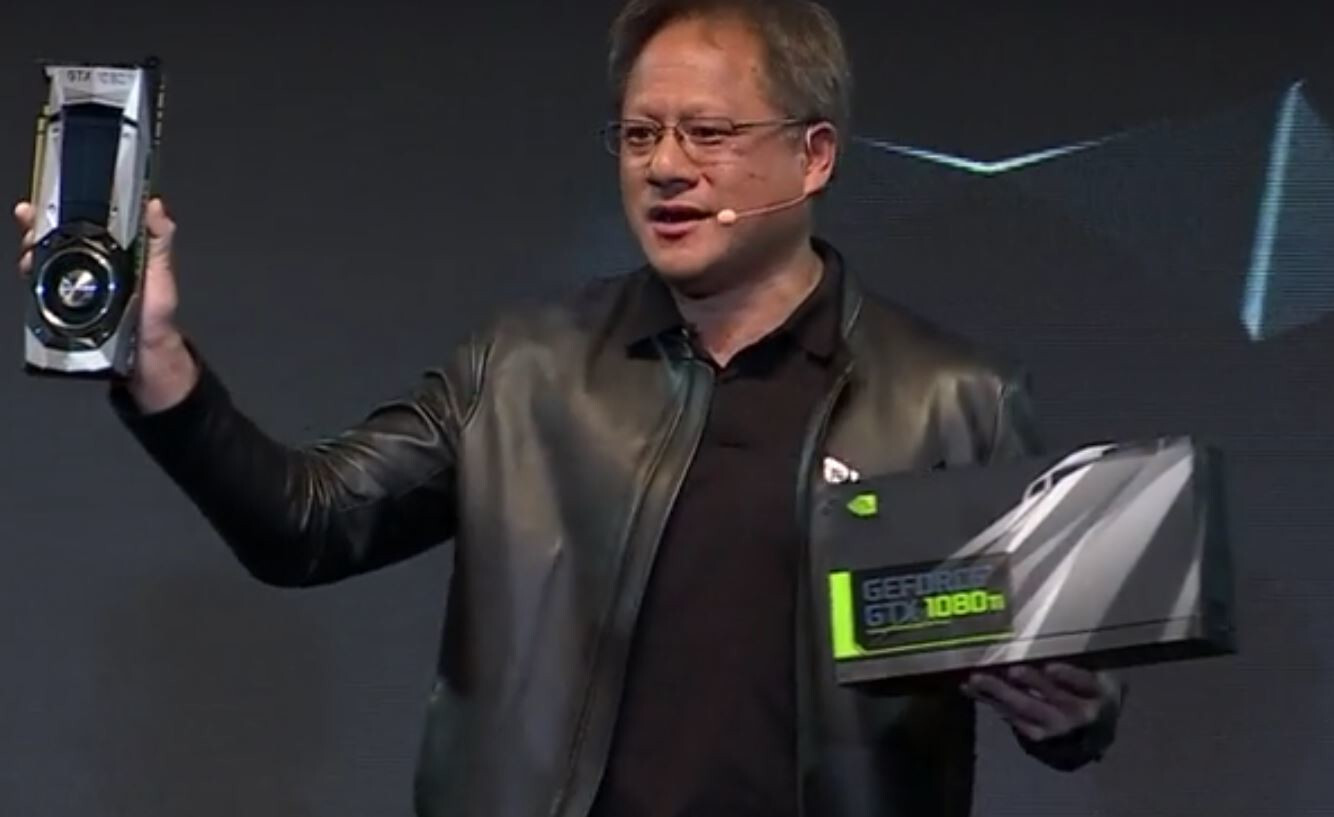
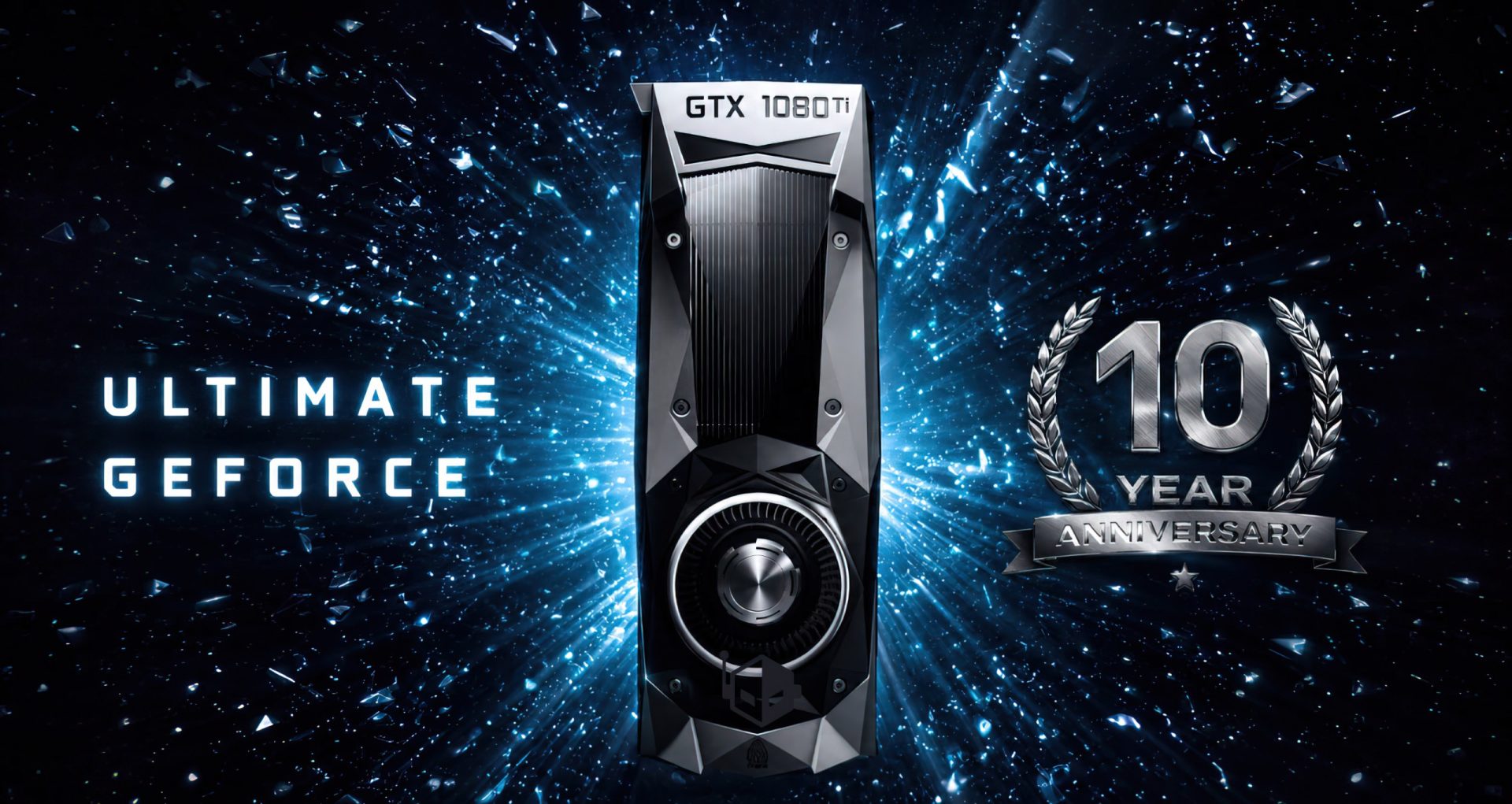
NVIDIA’s GeForce GTX 10 series turned ten years old this month, marking one of the most significant leaps in graphics performance history. What started as a bold reimagining of GPU design has since become a cornerstone for enterprise workloads, its architecture still echoing through today’s high-performance systems.
The GTX 10 series wasn’t just an incremental upgrade—it was a reset. It introduced 16nm FinFET manufacturing, a move that slashed power consumption while cramming more transistors into the same space. That shift alone made it a game-changer for desktops and workstations alike, setting a new benchmark for efficiency without sacrificing raw horsepower.
At launch, the GTX 1080 and its siblings delivered performance that left older GPUs in the dust. For enterprise buyers, this meant longer lifecycles for high-end systems, as the series’ scalability and thermal design proved durable enough to handle everything from rendering farms to AI training clusters. Even a decade later, its 12GB GDDR5X memory on the GTX 1080 Ti—a figure that still holds up in many workloads—shows how far ahead NVIDIA was thinking.
Yet for all its achievements, Pascal wasn’t without limitations. Its reliance on PCIe 3.0, while cutting-edge at the time, now feels like a bottleneck in some modern setups. And while it paved the way for later architectures, its lack of ray tracing hardware—something that became standard in subsequent generations—shows how quickly the industry moves.
Looking ahead, Pascal’s legacy is less about its continued use and more about what it enabled. It proved that a well-architected GPU could last far beyond its initial release, shaping the expectations for performance, efficiency, and adaptability in enterprise hardware. For buyers still navigating today’s complex ecosystem, its story serves as both a reminder of how far we’ve come and a cautionary tale about the speed at which technology evolves.