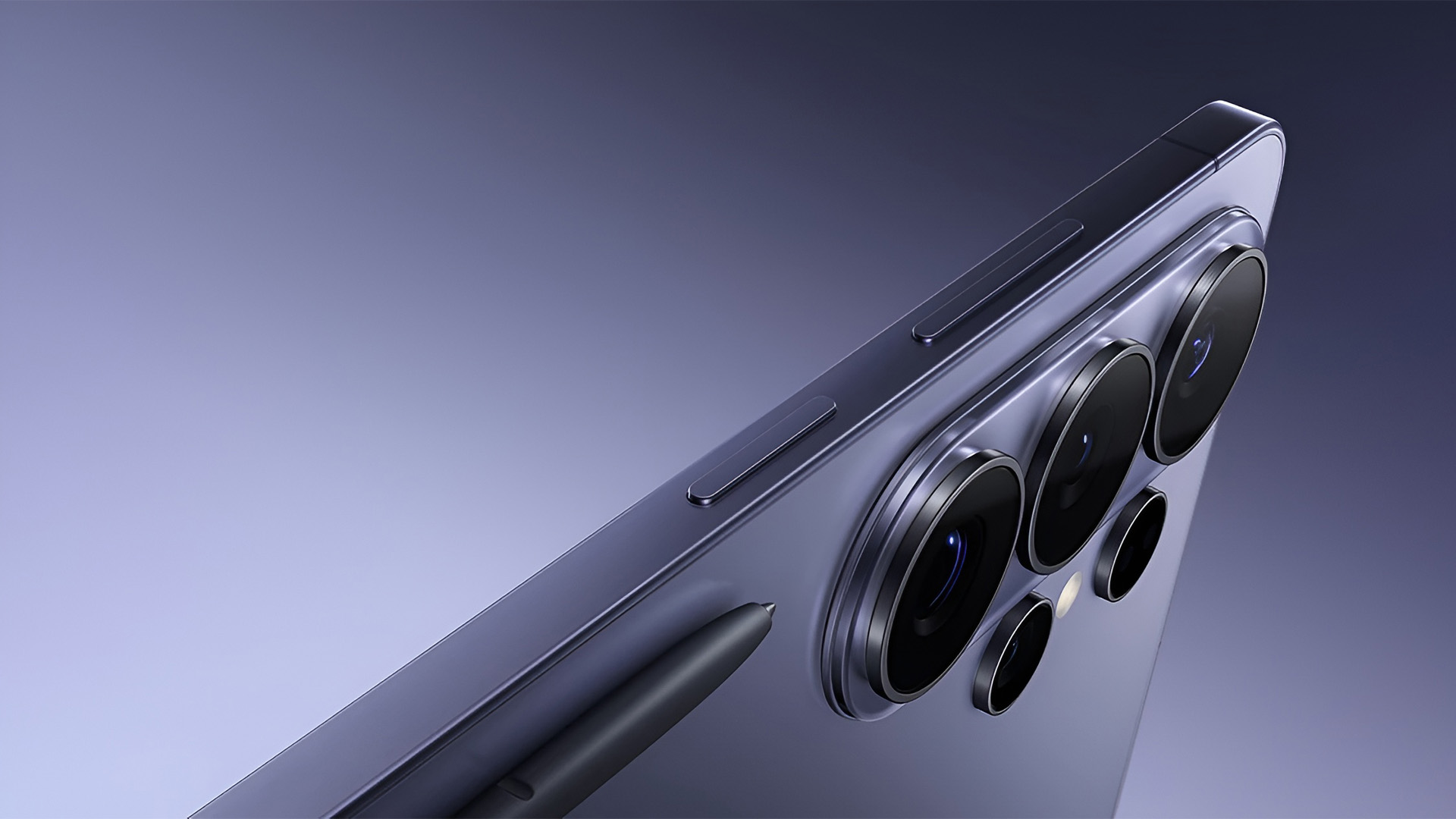
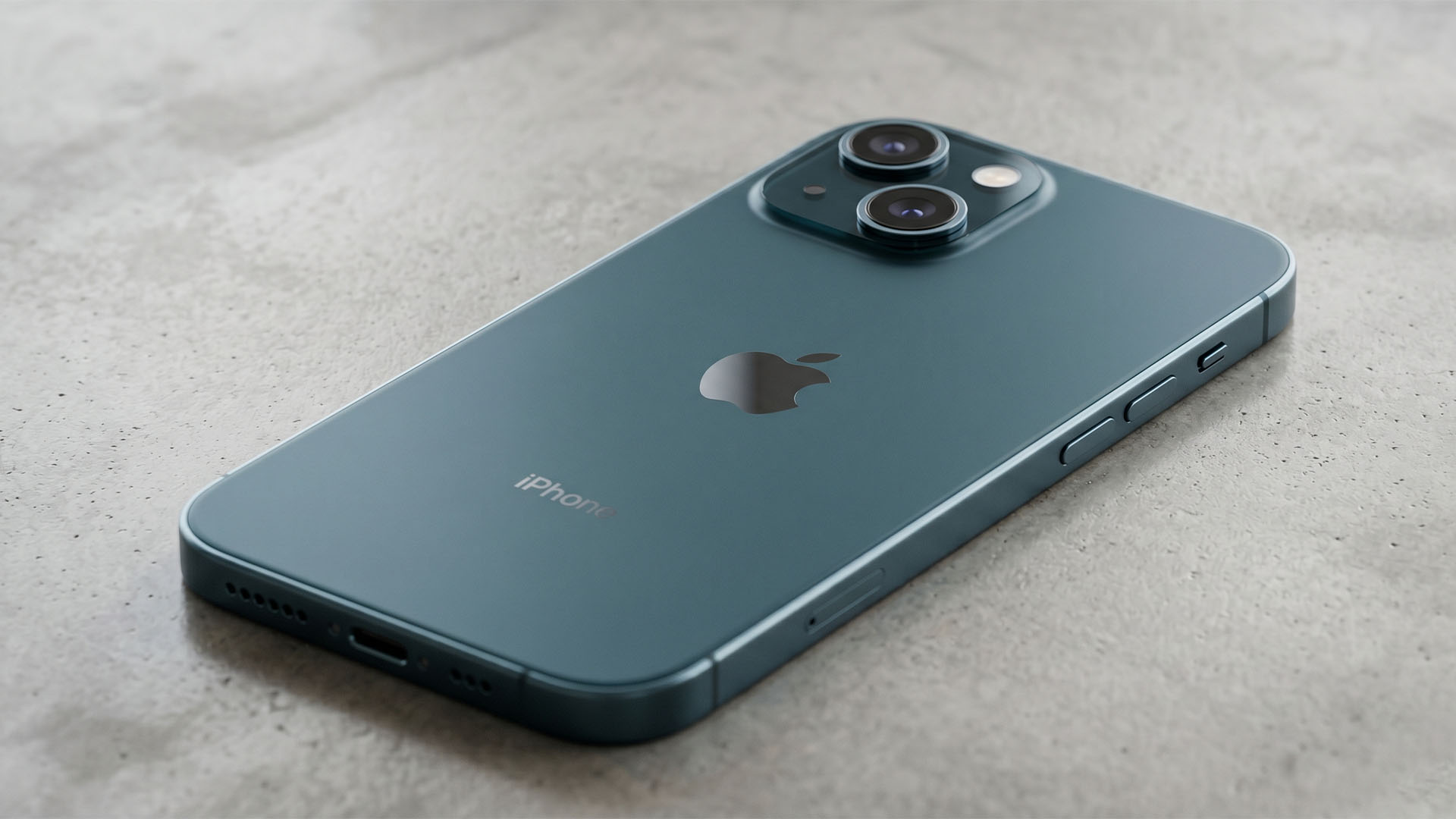
The iPhone 18 Pro is poised to mark a significant departure from recent design trends, with reports suggesting that in-screen Face ID will not make its debut this year. While this may disappoint users accustomed to progressive design changes, three substantial upgrades—expected advancements in chip technology, camera capabilities, and battery life—could overshadow any concerns about the device's aesthetic evolution.
Apple's decision to delay or rethink the implementation of in-screen Face ID is notable, particularly given the industry's shift toward more integrated facial recognition systems. The absence of this feature on the iPhone 18 Pro could indicate a strategic pivot, possibly due to technical challenges or a desire to prioritize other innovations. However, if these rumors hold true, the iPhone 18 Pro may still deliver significant performance and battery improvements that could redefine what users expect from Apple's flagship line.
Performance and Battery: The Core Upgrades
The most anticipated upgrades for the iPhone 18 Pro revolve around its chipset, camera system, and battery capacity. Reports suggest that the device will be powered by an A20 Pro chip, which is expected to be the first mass-produced on a 2nm process node. This advancement could lead to notable improvements in performance and efficiency, setting a new benchmark for mobile processors.
- Chipset: A20 Pro (2nm)
- Camera System: Wider aperture with variable aperture technology
- Battery Capacity: 5,000mAh for the non-eSIM version, up to 5,200mAh for the eSIM version
The A20 Pro's transition to a 2nm process could represent a significant leap in computational power and energy efficiency. This would not only enhance the device's performance but also extend battery life, addressing one of the most common criticisms of flagship smartphones. The wider aperture and variable aperture technology for the camera system promise more versatile photography capabilities, allowing users to adapt to different lighting conditions without sacrificing image quality.
Battery Life: A Game-Changer?
The iPhone 18 Pro's battery capacity is another area where significant improvements are expected. Reports indicate that the non-eSIM version will feature a 5,000mAh battery, while the eSIM version could see an even larger capacity of up to 5,200mAh. This represents a notable increase from the previous generation's 4,823mAh (non-eSIM) and 5,088mAh (eSIM), respectively.
For enterprise users, battery life is a critical factor in device selection. A longer-lasting battery not only improves productivity but also reduces the need for frequent charging, which can be particularly beneficial in professional settings where devices are used throughout the day. The iPhone 18 Pro's potential battery upgrades could make it a more attractive option for those who prioritize endurance and reliability.
Design: A Return to Familiarity?
Despite the focus on performance and battery improvements, the iPhone 18 Pro is rumored to retain the chassis of its predecessor, the iPhone 17 Pro. This includes the camera plateau, two-tone color pattern, and an unchanged Dynamic Island. While this may disappoint users looking for a more radical design overhaul, it could also signal Apple's emphasis on refining existing features rather than introducing new ones.
For everyday users, the familiar design elements of the iPhone 18 Pro could be seen as a positive. Consistency in design often leads to better user experience and familiarity, which can be particularly important for those who rely on their smartphones for both personal and professional tasks. However, whether this approach will satisfy users accustomed to more innovative design changes remains to be seen.
Looking Ahead: What This Means for Users
The iPhone 18 Pro's potential lack of in-screen Face ID and retention of the previous generation's chassis may indicate a strategic shift in Apple's approach to device development. If these rumors are accurate, it could suggest that the company is prioritizing other areas, such as performance and battery life, over design innovation.
For enterprise buyers, this could mean a more stable and reliable platform with significant improvements in computational power and battery endurance. However, the absence of in-screen Face ID may raise questions about Apple's long-term roadmap for its flagship line. It also leaves open the possibility that future iterations will need to catch up in terms of design innovation if they aim to remain competitive in a rapidly evolving market.
As always, the true impact of these upgrades and design choices will only be fully understood upon the iPhone 18 Pro's official launch. Until then, users and enterprise buyers alike must weigh the potential benefits against the lack of more radical design changes, ultimately deciding whether the improvements in performance and battery life justify any disappointment over the device's aesthetic evolution.