The choice between the iPhone 17e and iPhone 17 isn’t just about price—it’s a decision that will shape your experience over the next few years. Apple has structured its lineup to cater to different needs, but power users should weigh the trade-offs carefully before committing to either model.
At first glance, both devices share key specifications: an 8GB RAM configuration, 256GB base storage, and the A19 chip built on TSMC’s 3nm N3P process. However, under the hood, the iPhone 17e uses a binned version of this chipset, with a 4-core GPU instead of the 5-core GPU found in the iPhone 17. This difference may seem minor, but it could translate to noticeable performance gaps in demanding tasks like gaming or video editing.
Display and Efficiency
The most immediate difference lies in the display. The iPhone 17e retains a static 60Hz refresh rate on its LTPS OLED screen, while the iPhone 17 introduces an LTPO OLED panel with ProMotion support, dynamically adjusting between 10Hz and 120Hz. This isn’t just about smoother scrolling—it’s also about efficiency. The iPhone 17’s adaptive refresh rate can extend battery life, a critical factor for users who rely on their device throughout the day.
Key Specs
- Display:
- iPhone 17e: 6.1-inch LTPS OLED, 60Hz, 800 nits brightness (1,200 nits peak)
- iPhone 17: 6.1-inch LTPO OLED, 10Hz–120Hz ProMotion, 1,000 nits brightness (1,600 nits peak, 1 nit minimum for battery savings)
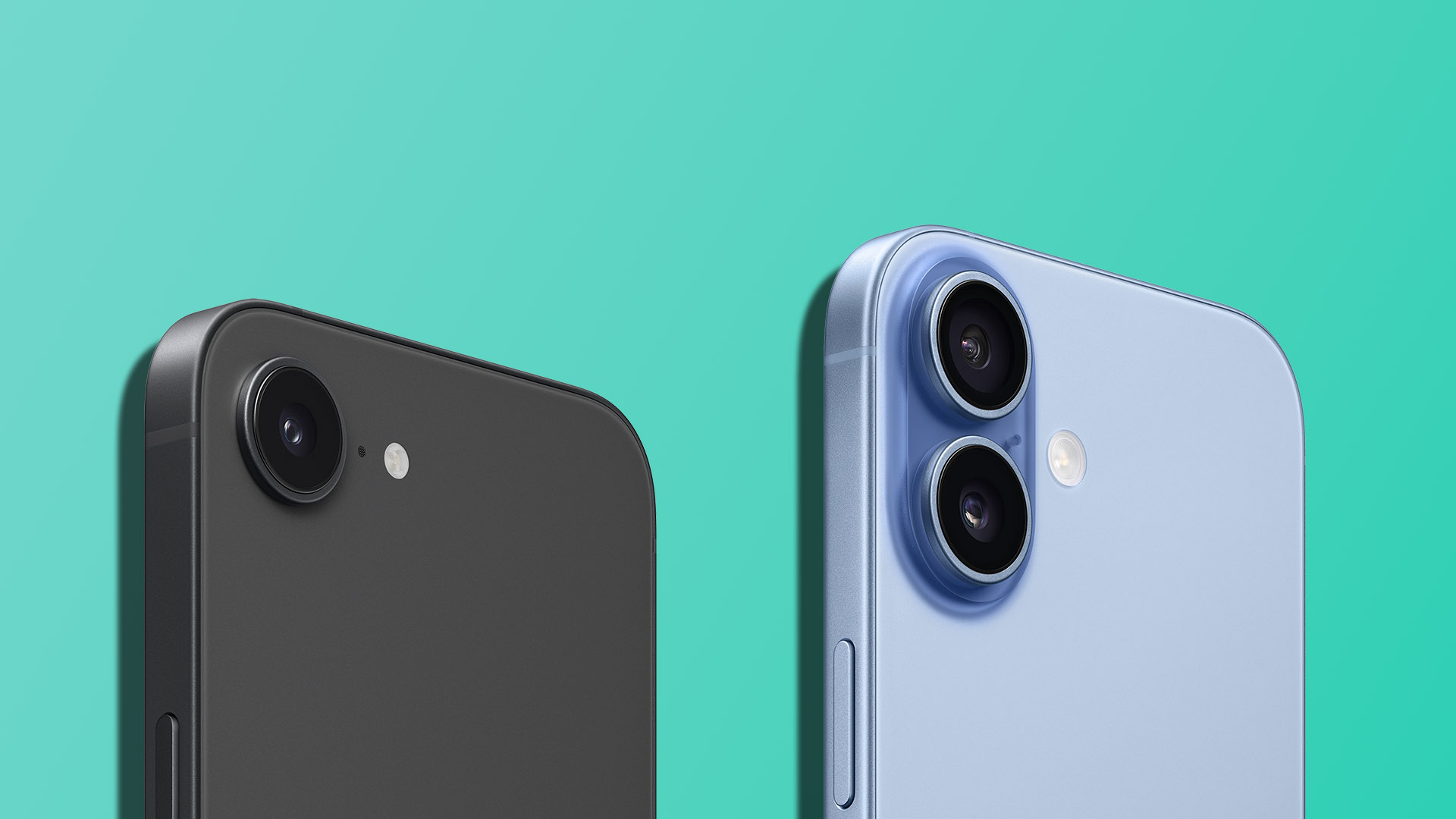
The iPhone 17 also leads in camera capabilities, featuring a Dual Fusion system with Sensor-shift optical image stabilization and an additional 48MP ultrawide sensor. The front camera on the iPhone 17 is another standout, offering Center Stage video with ultra-stabilized footage—a feature missing from the iPhone 17e’s 12MP selfie shooter.
Connectivity and Performance
- Chipset:
- Both: A19 (TSMC 3nm N3P), 6-core CPU, 4/5-core GPU with Neural Accelerators, 16-core Neural Engine
- Connectivity:
- iPhone 17e: Wi-Fi 6, Bluetooth 5.3, sub-6GHz 5G (no mmWave)
- iPhone 17: Wi-Fi 7, Bluetooth 6, sub-6GHz and mmWave 5G
The iPhone 17’s Wi-Fi 7 and Bluetooth 6 upgrades provide faster wireless speeds and better compatibility with future accessories. For power users who rely on high-speed connectivity—whether for work or entertainment—the difference is significant.
Battery Life and Practical Impact
Battery life is where the iPhone 17 truly shines. Thanks to its adaptive display and more efficient hardware, it delivers up to 30 hours of video playback compared to the iPhone 17e’s 26 hours. This isn’t just about endurance—it’s about operational cost. A device that lasts longer means fewer charging cycles, less time spent plugged in, and a smoother workflow for those who use their phone all day.
That said, the iPhone 17e isn’t without its advantages. It introduces MagSafe wireless charging, a feature that was missing from its predecessor. While both devices support up to 15W charging (or higher with a 20W adapter), the iPhone 17e’s inclusion of this standard is a practical upgrade for users who prioritize convenience over cutting-edge performance.
Who Should Upgrade?
- iPhone 17e: Best for budget-conscious buyers, casual users, or those transitioning to Apple’s ecosystem without needing premium features.
- iPhone 17: Ideal for power users who demand longer battery life, smoother performance, advanced camera capabilities, and future-proof connectivity.
The iPhone 17e remains a solid choice if you’re looking to save $200 without sacrificing core functionality. However, for those who plan to keep their device for multiple years, the iPhone 17’s upgrades—especially in display efficiency and camera technology—will pay off over time.
The strategic split between these models reflects Apple’s approach to balancing cost and performance. For power users, the decision comes down to operational efficiency: which model will serve you better without becoming a burden as your needs evolve?