The iPhone 16 Pro is shipping today with a chip that could theoretically run Windows—but Apple has made it clear this isn’t the future of mobile computing.
Performance-per-watt is a critical metric for IT teams, especially in an era where power efficiency directly impacts operational costs. The A18 inside the iPhone 16 Pro delivers impressive single-thread performance, but its multi-core scaling and thermal behavior under sustained Windows workloads remain untested. For now, Apple’s stance on limited usability suggests this capability is more of a technical curiosity than a practical solution.
Apple has stated that running Windows on the iPhone 16 Pro may provide an acceptable experience only for occasional use. This implies that while the hardware can handle it, the software stack and optimization are not designed for heavy workloads. IT decision-makers should consider whether this feature adds value or simply complicates device management without tangible benefits.
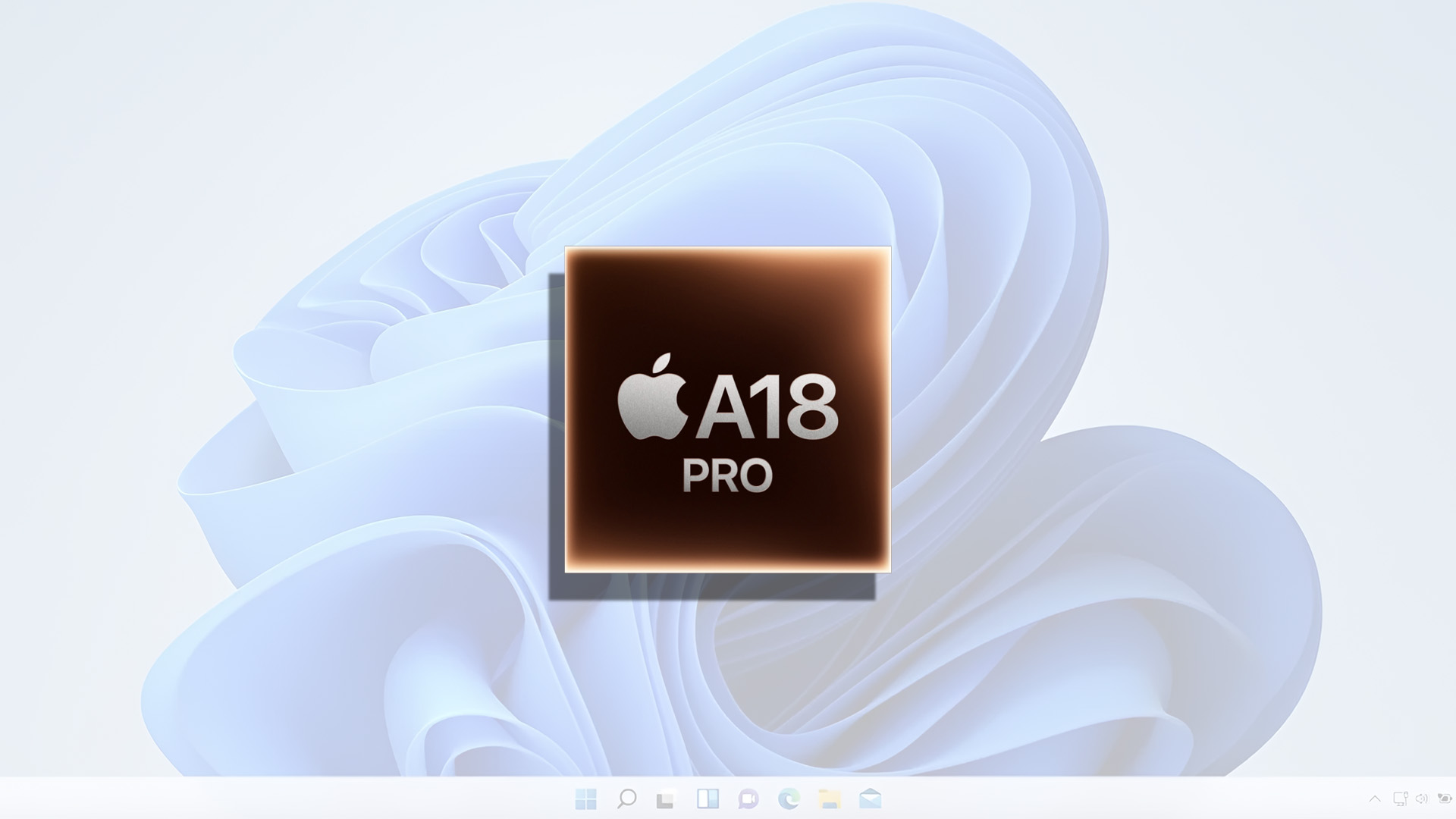
- Chip: A18 (6-core CPU: 2 performance + 4 efficiency cores)
- GPU: Apple GPU (10-core)
- RAM: 8GB LPDDR5X
- Storage: 128GB–1TB UFS 4.0
- Display: 6.1-inch Super Retina XDR (ProMotion, 120Hz)
- Operating System: iOS 18 (Windows not natively supported)
The A18’s performance-per-watt is strong, but its thermal behavior under sustained Windows workloads remains untested. IT teams should evaluate whether the occasional-use capability justifies the added complexity in device management and support.
For now, the iPhone 16 Pro remains a premium iOS device with a chip that can technically run Windows—but without the software or ecosystem to make it viable for enterprise use. The real question is whether Apple will ever bridge this gap, or if this capability will remain a niche feature with limited practical impact.