Intel’s 14th Gen Core 'Raptor Lake' processors are set to remain a cornerstone of its client segment strategy for an extended period. The company has confirmed that production will continue, ensuring abundant availability despite the transition to newer architectures like Arrow Lake.
The focus on Raptor Lake is part of a broader effort to bridge the gap between DDR4 and DDR5 memory types. Motherboard vendors are already developing boards that support both, allowing users to start with cheaper DDR4 modules while future-proofing their systems for DDR5 upgrades. This dual-memory approach reflects Intel’s confidence in the platform’s longevity and performance, even as competitors like AMD push boundaries with 3D V-Cache technology.
Raptor Lake-S is built on Intel’s 7 nm process node, maintaining a strong manufacturing presence while Arrow Lake shifts to TSMC nodes for its compute, graphics, and I/O tiles. The platform also supports both DDR4 and DDR5, addressing the current shortage of affordable DDR5 memory. Despite AMD’s advancements in gaming performance with chips like the Ryzen 5 5500X3D, Raptor Lake remains a formidable option for high-end workloads.
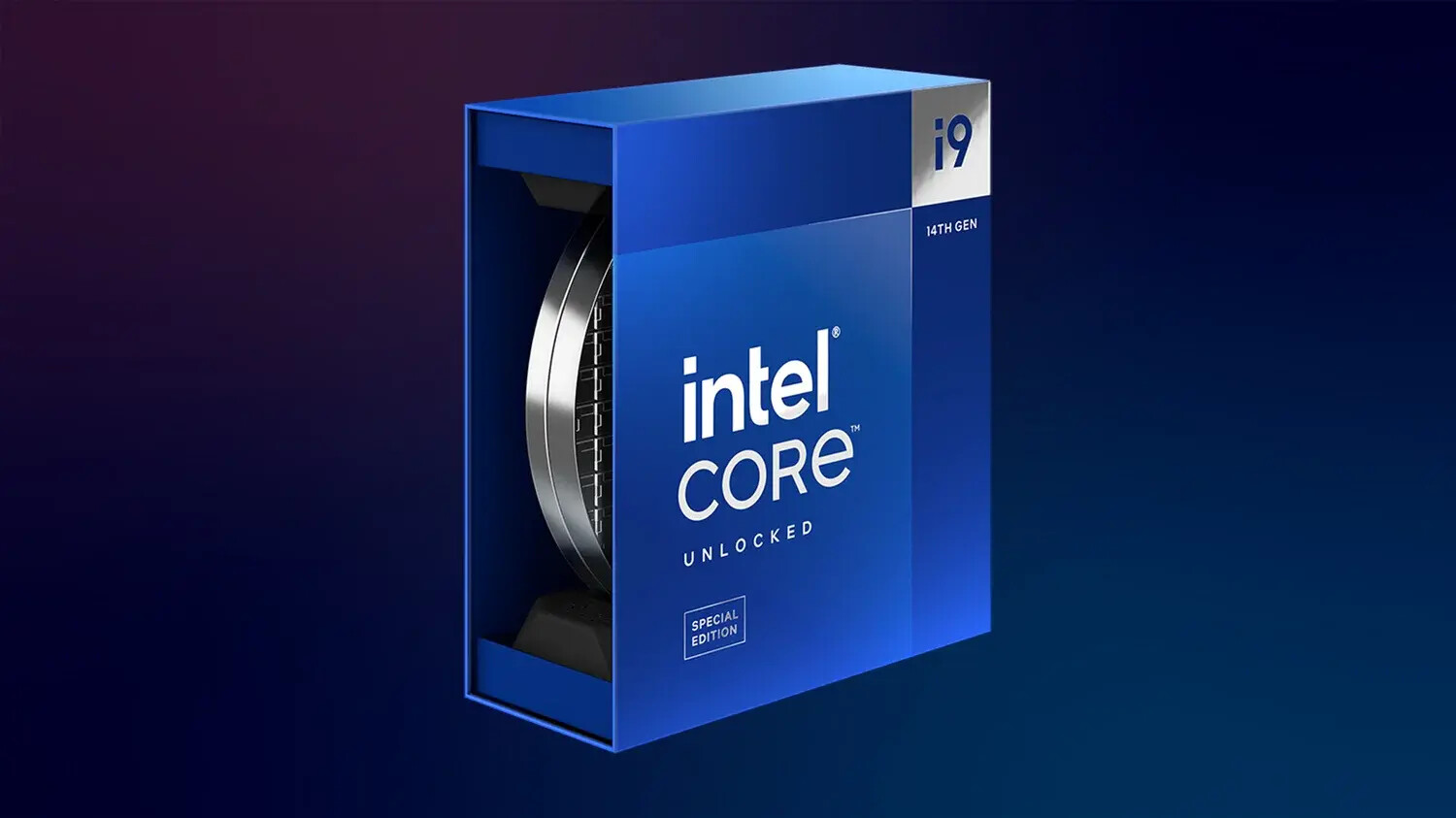
- Platform: Socket LGA1700
- Processors: 14th Gen Core 'Raptor Lake Refresh'
- Memory Support: DDR4 and DDR5 (dual-slot motherboards)
- Manufacturing Node: Intel 7 for Raptor Lake-S, TSMC N3B/N5P/N6 for Arrow Lake
The dual-memory support is a strategic move to ease the transition as DDR5 prices stabilize. While AMD’s focus on 3D V-Cache enhances gaming performance in entry-level builds, Intel’s approach ensures compatibility and flexibility across a broader range of workloads. This balance positions Raptor Lake as a practical choice for power users who prioritize both current performance and future scalability.
Looking ahead, Intel’s strategy hinges on sustaining the LGA1700 platform to maintain market presence while preparing for Arrow Lake’s transition to TSMC nodes. The continued availability of Raptor Lake processors underscores Intel’s commitment to delivering high-performance solutions that adapt to evolving memory and manufacturing landscapes.