Intel’s latest desktop processors promise to bridge a gap that has plagued the company for years: performance that matches its rivals without sacrificing power efficiency. The Core Ultra 200S Plus family, set to launch on March 26, arrives with a mix of hardware tweaks and software innovations, but the question remains whether this will be enough to overcome the legacy of Arrow Lake’s missteps.
The new chips—Core Ultra 7 270K Plus and Core Ultra 5 250K Plus, along with their KF variants—are positioned as a more affordable alternative to Intel’s higher-end offerings. Priced starting at $199 for the 250K Plus and $299 for the 270K Plus, they share the same socket (LGA 1851) as their predecessors but introduce refinements that Intel hopes will set them apart.
One of those refinements is a new software tool called Intel Binary Optimization Tool (IBOT), designed to optimize code execution for better gaming performance. While similar techniques exist in other architectures, applying them to x86 processors adds complexity and raises questions about compatibility. Will gamers need specialized versions of games, or will the optimization happen seamlessly? For now, Intel’s benchmarks suggest IBOT can deliver significant gains—over 20% in some cases—but real-world testing will determine if those improvements hold up.
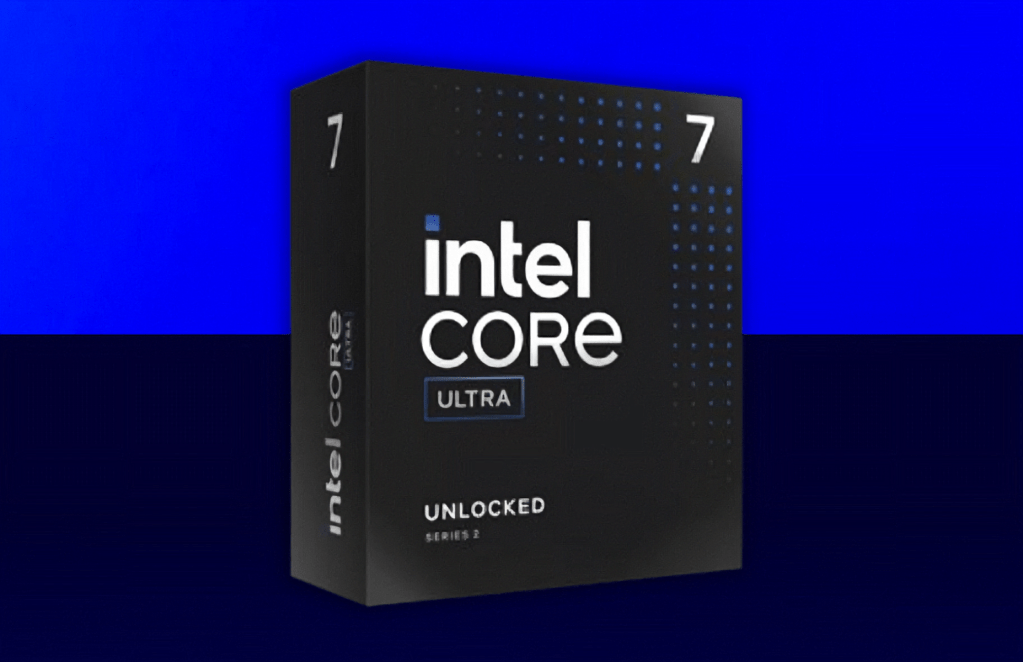
The hardware itself builds on the original Arrow Lake architecture with minor but notable changes. A 900MHz boost in CPU-to-memory controller speed and support for DDR5-7200 memory (if supplies allow) aim to improve data transfer efficiency. However, the lack of DDR4 support—unlike AMD’s Ryzen counterparts—could limit adoption among budget-conscious builders.
Where Intel may face its biggest hurdle is power consumption. The Core Ultra 7 270K Plus remains rated at 125W, the same as its predecessor, despite promises of better efficiency from the original Arrow Lake design. If these new chips don’t deliver on that front, they risk repeating past mistakes.
For enterprise buyers, the stakes are clear: platform lock-in. Intel’s push for affordability and performance could appeal to businesses looking to upgrade without overhauling their infrastructure, but only if reliability and efficiency match the marketing claims. The absence of a higher-end Ultra 9 model also leaves room for future uncertainty.
Intel has a chance here to turn things around. The IBOT tool, if effective, could be a game-changer, but it’s not without risks. Will it work as intended, or will it introduce new compatibility headaches? And can Intel finally deliver on the efficiency promises that Arrow Lake initially failed to achieve?
One thing is certain: this generation’s success hinges on more than just specs. It requires a rethink of how Intel approaches performance, power, and software optimization—a challenge no less daunting than the hardware itself.