For years, Intel’s foray into discrete GPUs has been a story of false starts and shifting priorities. Now, with a bold declaration from CEO Lip-Bu Tan and the arrival of a high-profile architect, the company is doubling down—but the roadmap suggests gaming won’t be the beneficiary anytime soon.
The latest development comes as Intel reaffirms its commitment to GPU development, though the emphasis is squarely on AI acceleration rather than consumer graphics. During the Second Annual AI Summit, Tan explicitly stated that the company will build future GPUs, a rare public endorsement of the segment since his appointment in early 2025. The catch? The conversation was framed entirely around data center workloads, enterprise AI, and server-grade acceleration—not gaming PCs.
Yet the hire of Eric Demers as Chief GPU Architect adds weight to Intel’s ambitions. Demers, who previously led Qualcomm’s Adreno graphics team, is best known for his tenure at AMD, where he played a pivotal role in designing groundbreaking architectures like the R300 and R600 series—foundations of some of AMD’s most influential GPUs. His move to Intel signals a strategic pivot, though reports indicate his primary focus will be on AI-specific hardware, not consumer-facing products.
Key Details
- CEO Commitment: Intel CEO Lip-Bu Tan confirmed the company will continue developing GPUs, marking the first explicit public statement on the matter since his 2025 appointment.
- New Leadership: Eric Demers, former AMD and Qualcomm architect (responsible for R300/R600 and Adreno GPUs), has joined Intel as Chief GPU Architect.
- AI-First Focus: Demers’ role is reportedly centered on AI workloads, with no immediate indication of a consumer gaming GPU push.
- Existing AI Roadmap: Intel already has AI-focused GPUs in development, including Gaudi 3, Falcon Shores, and Jaguar Shores, though timelines and availability remain uncertain.
- Consumer Timelines: Any gaming-oriented GPUs under Demers’ leadership are unlikely to materialize before the late 2020s, if at all.
Demers isn’t starting from scratch. Intel’s AI GPU pipeline already includes projects like Gaudi 3, Falcon Shores, and Jaguar Shores, though their development has been marked by delays and shifting priorities. The company’s history of rebranding or shelving products—such as the rumored cancellation of the Arc B770—raises questions about whether consumer graphics will ever regain prominence. For now, the focus appears to be on enterprise and AI, with gaming remaining a secondary concern.
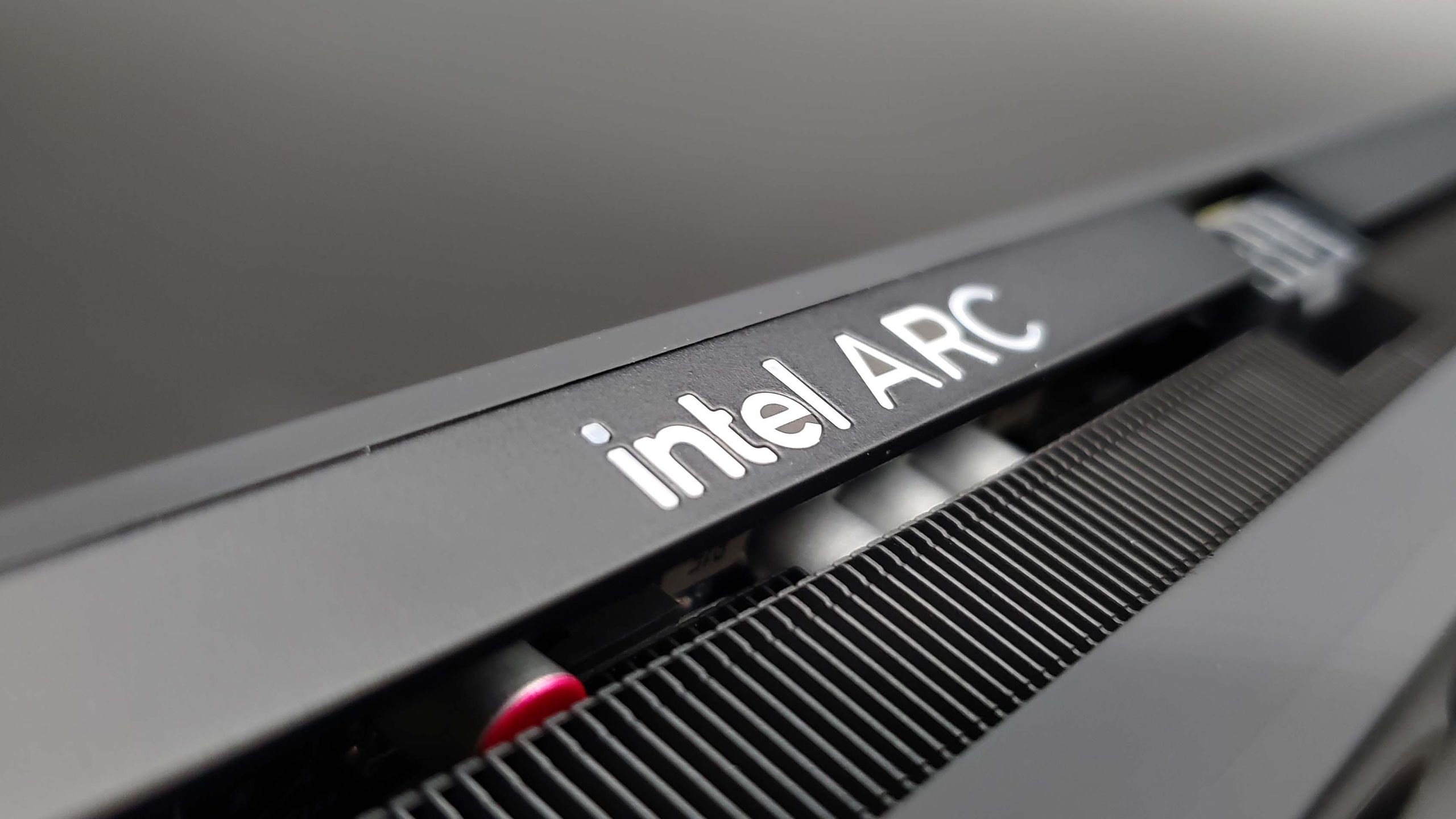
The timing is particularly notable given Intel’s past struggles in the discrete GPU market. The Arc series, while technically capable, has faced challenges in driver support, software optimization, and market adoption. Even with Demers’ expertise, the company’s trajectory suggests gaming GPUs—if they arrive at all—will be a long-term play. For consumers expecting a revival of Intel’s consumer graphics ambitions, patience will be required, and the memory crisis complicates any near-term revival.
What’s clear is that Intel is betting on AI as the driving force for its GPU division. Whether that strategy translates into a competitive consumer graphics lineup remains an open question—one that may take years, if not a decade, to answer.