Intel’s 18A process node, once reserved for internal use, is now being marketed as a viable option for external customers. This shift marks a significant pivot for Intel, which has historically prioritized its own chip production over foundry services. The change comes at a critical juncture, as the company seeks to bolster its foundry business while navigating competition from TSMC and Samsung.
The 18A node, already in production for Intel’s Panther Lake laptop CPUs, is being positioned as a more advanced alternative to the upcoming 14A node. While 14A was initially intended for external customers, Intel’s confidence in 18A’s performance has grown, leading to its reclassification. This could accelerate time-to-market for customers who would otherwise have to wait for 14A, which remains in development.
Key Details and Implications
- Process Node: 18A (10nm enhanced)
- Current Use: Intel’s Panther Lake laptop CPUs
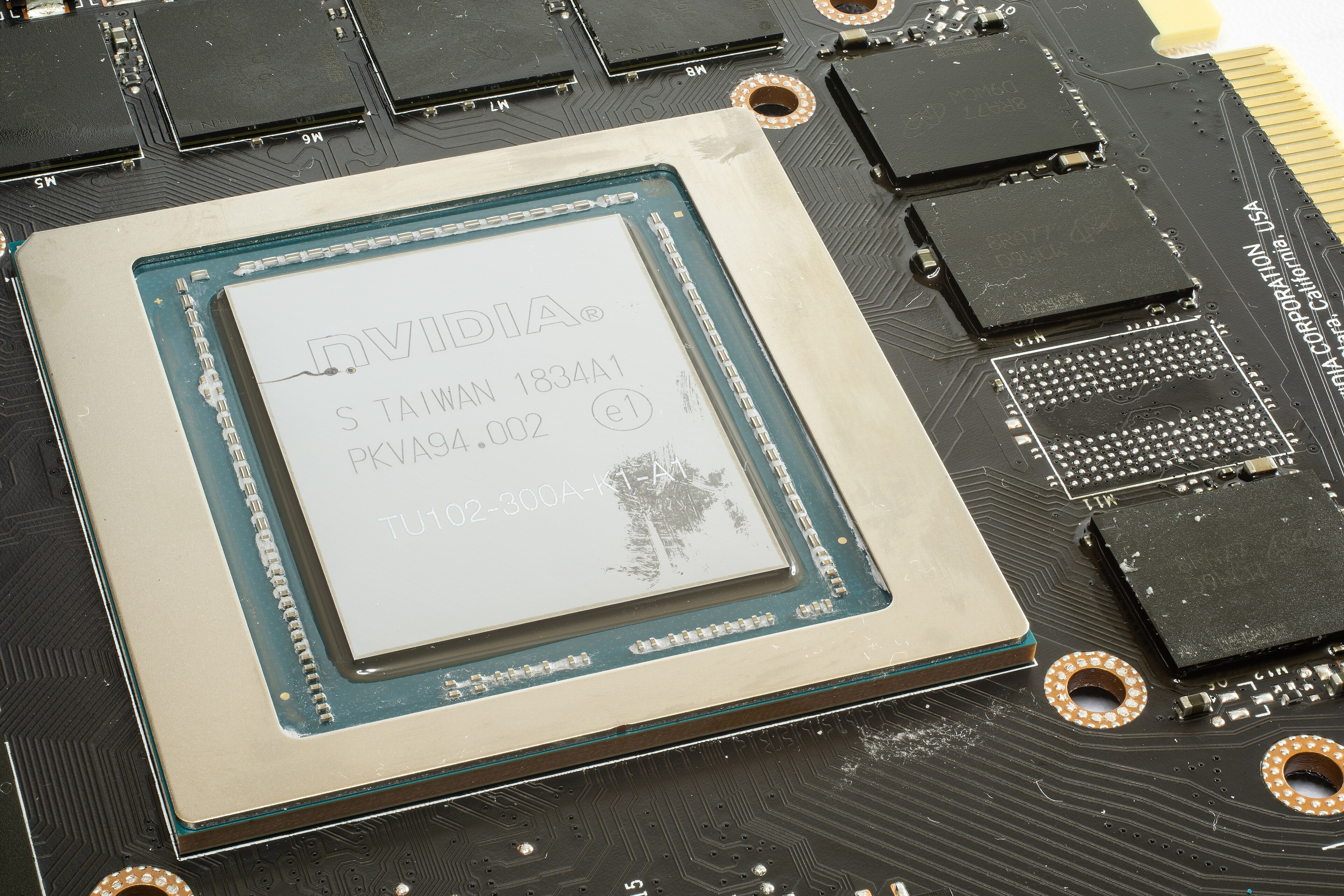
- Future Potential: External foundry customers, including possible Nvidia GPU production
The reclassification of 18A is part of a broader strategy to strengthen Intel’s foundry business. While the company has not explicitly confirmed that Nvidia will use its foundry for GPU production, industry observers speculate about the possibility given the recent collaboration between the two firms. However, Intel’s CFO has emphasized that the partnership is primarily product-driven, focusing on integrating Intel CPUs with Nvidia GPUs rather than manufacturing.

Market Dynamics and Constraints
The move to open 18A to external customers could benefit Intel by diversifying its foundry revenue stream. However, challenges remain, including competition from TSMC’s more advanced nodes (N2, N4) and Samsung’s foundry capabilities. Additionally, the decision to prioritize 18A over 14A may limit Intel’s ability to offer cutting-edge process technology in the near term.
For small businesses and enterprises considering Intel’s foundry services, the shift toward 18A introduces both opportunities and tradeoffs. While 18A offers mature production capabilities, it may not match the performance or efficiency of TSMC’s latest nodes. Companies must weigh the benefits of early adoption against potential long-term limitations.
The most significant change is Intel’s willingness to open its foundry business to external customers, a departure from its historical focus on internal chip production. This could reshape market dynamics, but the full implications remain uncertain as competitors continue to advance their own process technologies.