Crimson Desert, a visually demanding title known for its open-world exploration and dynamic combat, is now playable on Intel Arc GPUs following an update to the company’s GPU drivers. The move marks a significant milestone for Intel’s gaming ambitions, but it also underscores lingering questions about performance and stability that small businesses will need to weigh.
Intel has long positioned its Arc GPUs as a competitive alternative in the mid-range market, with features like ray tracing and high refresh-rate support. However, real-world adoption has been slower than expected, partly due to driver maturity and game compatibility. Crimson Desert’s addition to Intel’s supported titles is a step forward, but it doesn’t erase previous concerns about frame rates, power efficiency, or long-term reliability in workload-heavy environments.
The update arrives at a time when small businesses—particularly those in creative or simulation-driven fields—are increasingly prioritizing hardware that can handle both productivity tasks and gaming demands. Crimson Desert’s inclusion on Intel Arc GPUs could appeal to users who rely on the game for training, prototyping, or team collaboration, but it also serves as a reminder that Intel’s ecosystem is still catching up in areas like driver consistency.

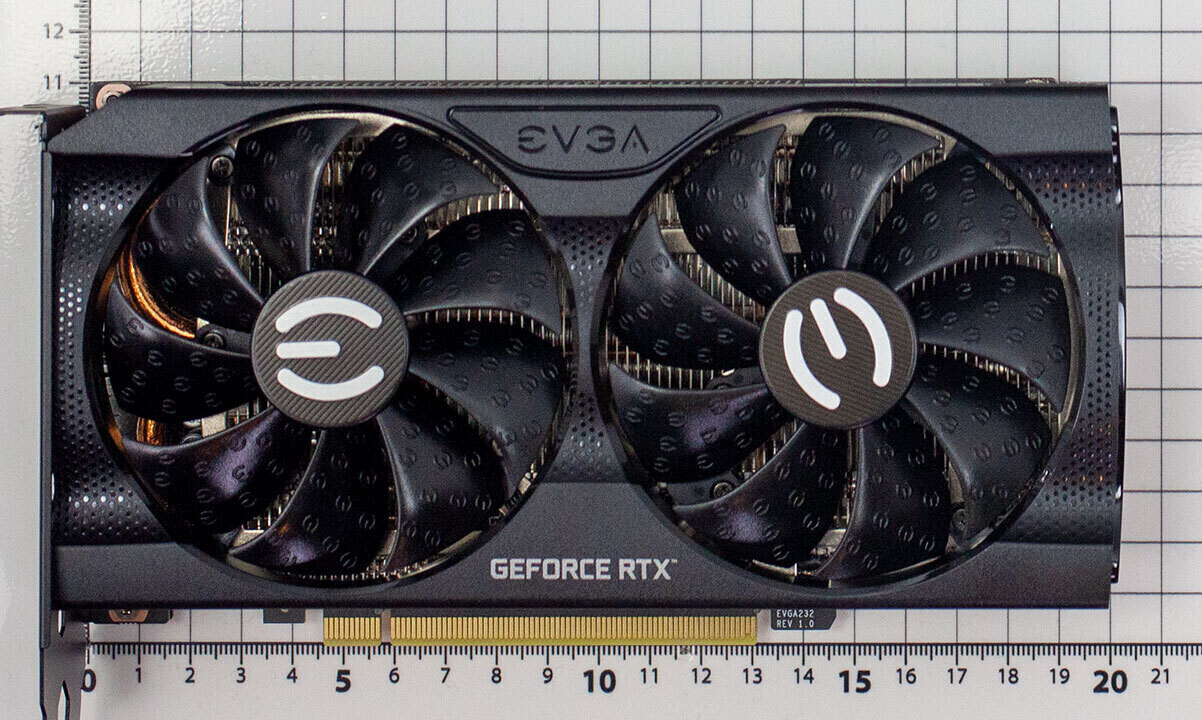
For enthusiasts, the news is a clear validation of Intel’s technical progress. The Arc A770 and A750 models, which are now supported, deliver ray tracing performance comparable to NVIDIA’s RTX 30-series cards in some benchmarks. That’s the upside—here’s the catch: power consumption remains higher than competitors, and thermal throttling can still be an issue during extended sessions. Businesses evaluating these GPUs for workstations will need to factor in not just raw performance but also longevity, a consideration that isn’t always front-and-center in marketing claims.
Intel’s push into gaming has been methodical, with a focus on incremental improvements rather than bold leaps. The Crimson Desert support is part of this strategy, aimed at expanding the library of playable titles while refining driver stability. For small businesses, the question isn’t just whether the hardware can run specific games, but whether it can do so reliably across an entire workflow—whether that’s rendering, simulation, or mixed-use scenarios.
Where things stand now: Intel Arc GPUs are no longer a dead end for Crimson Desert users, but they’re still not a turnkey solution. Businesses looking to future-proof their setups should treat this as a positive step rather than a definitive endorsement. The next few driver updates will be critical in determining whether Intel can close the gap—or if it remains a niche player in the gaming market.