Phil Spencer’s retirement marks the end of an era for Microsoft’s gaming division. Industry leaders reflect on his tenure, emphasizing his role in shaping Xbox’s future while acknowledging the complexities he faced.
Spencer, who began his career at Microsoft as an intern in 1988 and rose to lead the company’s gaming efforts, is remembered for his deep connection to gaming culture. His instincts for identifying strong games were a recurring theme among peers, with several noting how he approached projects from a player’s perspective rather than solely through executive lenses.
- What we know so far:
- Spencer spent 38 years at Microsoft, starting as an intern in 1988 and retiring in February 2026.
- Industry leaders, including Ubisoft CEO Yves Guillemot and former EA executive Patrick Söderlund, praised his ability to spot quality games early.
- His leadership style was described as hands-on, with a focus on player experience over traditional business metrics.
- Former Xbox executive Peter Moore suggested Spencer will be remembered as a stabilizing figure in Microsoft’s gaming journey.
The transition of Xbox’s leadership to Asha Sharma raises questions about whether she can replicate Spencer’s legacy. While Spencer faced significant challenges, including balancing Microsoft’s broader strategic goals with Xbox’s independent ambitions, his tenure laid the groundwork for key initiatives like Game Pass. Sharma’s ability to navigate these dynamics will be closely watched by industry peers.
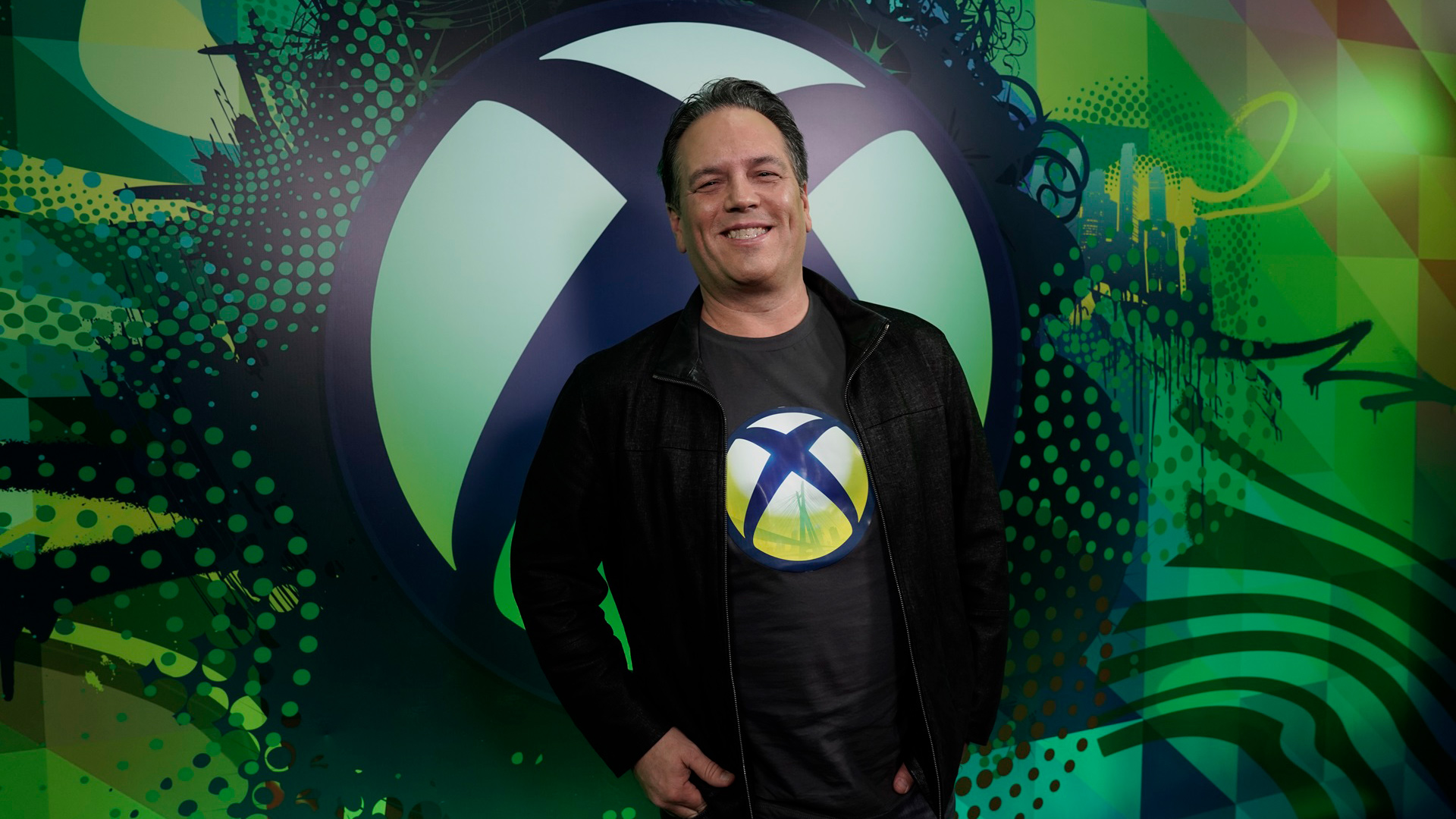
Spencer’s departure also underscores a shift in gaming leadership, one that may prioritize efficiency and alignment with Microsoft’s core AI business over Xbox’s historical autonomy. For IT teams and developers, this transition could mean tighter integration requirements or new challenges in maintaining platform compatibility—a critical factor as gaming ecosystems evolve.
The most tangible benefit of Spencer’s approach was his willingness to support bold visions, even when they deviated from conventional industry standards. His immediate endorsement of projects like Battlefield 1, for example, demonstrated a commitment to innovation that resonated with creators and players alike. As Xbox moves forward, the question remains: Can Sharma maintain this balance while addressing the platform’s growing technical demands?