The RTX Spark isn't just another graphics card—it's a test bed for NVIDIA's future in PC workloads. At its heart lies a hybrid core architecture that borrows elements from two distinct ARM designs, the Cortex-X925 and the Dimensity 9400/9500 series. This isn't about gaming alone; it's about redefining how PCs handle everything from rendering to AI tasks.
But while NVIDIA has touted improvements in efficiency and performance, the devil is in the details. The Spark's altered Cortex-X925 cores are a departure from traditional GPU designs, yet their real-world benefits—especially around power consumption and thermal behavior—are still unproven. For PC builders, this raises critical questions: Is this a step forward, or just another layer of complexity?
Where the Spark Stands Among Competitors
The RTX Spark doesn't fit neatly into any existing category. It's not a gaming GPU in the traditional sense, nor is it a mobile chip optimized for laptops. Instead, it sits at an intersection, blending the best of two worlds—high-performance computing and efficiency-driven design.
On paper, the Spark promises to deliver significant improvements in power efficiency compared to its predecessors. The altered Cortex-X925 cores are designed to handle sustained workloads with lower thermal output, a claim that could be a game-changer for PC builders focused on operational cost. However, whether this translates into real-world savings—and not just benchmarks—remains to be seen.
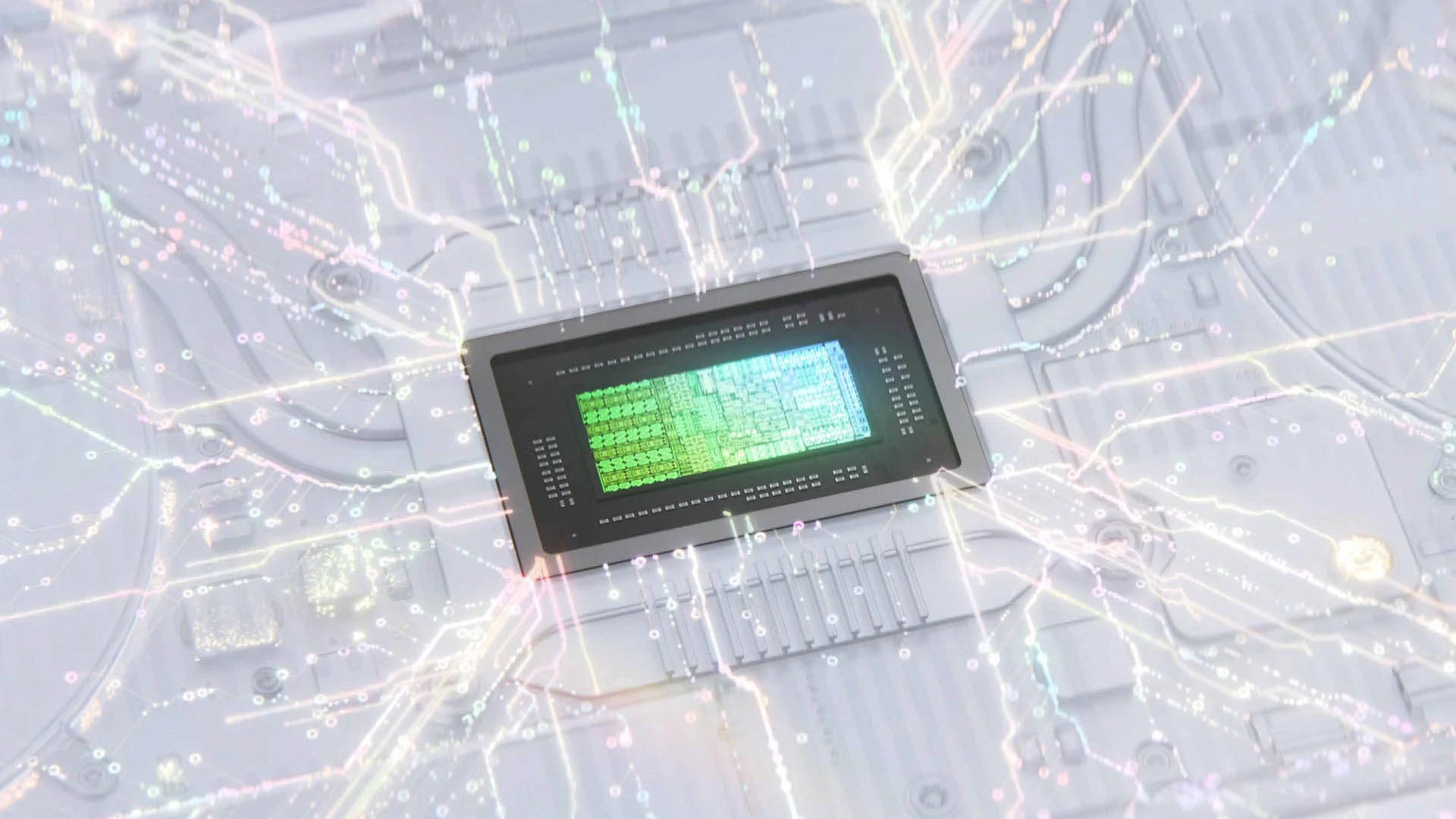
Key Specifications
- Core Architecture: Hybrid design combining elements of Cortex-X925 and Dimensity 9400/9500 series cores.
- Performance Clusters: Optimized for sustained PC workloads, including rendering and AI tasks.
- Power Efficiency: Claims to reduce thermal output while maintaining high performance.
- Memory Support: Compatible with standard DDR5 and HBM2e configurations.
- Thermal Design: Targeted for lower heat dissipation, though real-world validation is pending.
These specs suggest a shift toward more efficient computing, but the Spark's true value will depend on how well it balances performance with power consumption. For now, the focus is on whether NVIDIA can deliver on its promises without introducing new constraints—like higher costs or compatibility issues—that could outweigh the benefits.
For PC builders, the Spark represents a potential upgrade path, but one that requires careful consideration. The hybrid approach is ambitious, yet its practical implications are still unclear. If it delivers as advertised, it could redefine what we expect from high-performance hardware. But if not, it may just add another layer to an already complex market.