V-Color's latest memory innovations aim to redefine the boundaries of data storage in performance-driven systems. The company has introduced DDR5 MRDIMM kits that deliver 2 TB per module, a significant leap from current industry standards. These modules operate at speeds up to 4800 MT/s while adhering to JEDEC compatibility requirements, making them suitable for high-end workstations and servers.
However, the thermal design power (TDP) of 12W per GB presents a substantial challenge. In densely packed server environments or AI workloads where cooling is already a concern, this specification could undermine the modules' performance potential. Users seeking raw capacity may find themselves balancing increased storage against higher power consumption and complex thermal management requirements.
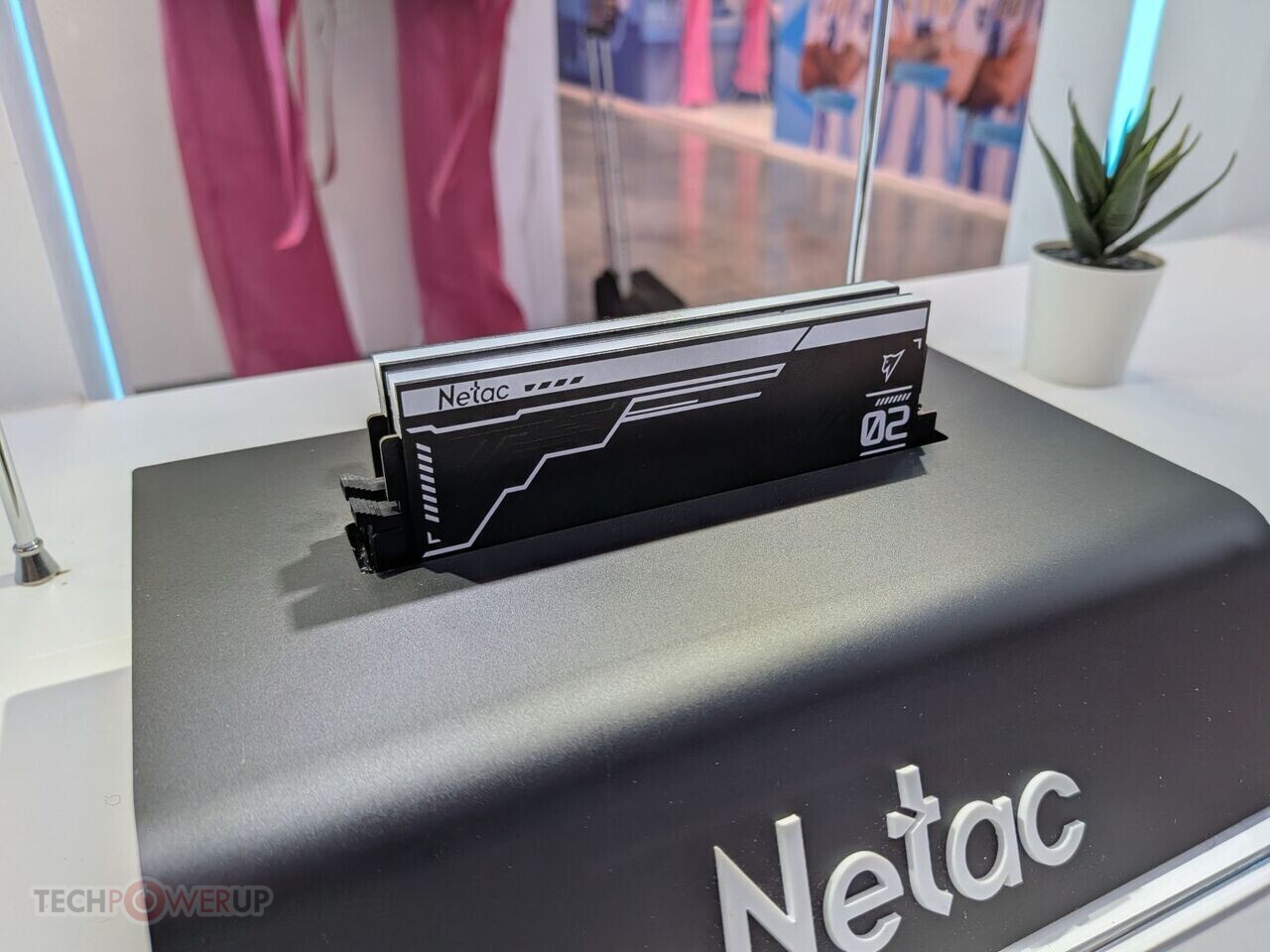
Parallel to this, V-Color's EXPO ULL redesign for OLED memory modules focuses on reducing footprint while maintaining high bandwidth. The company claims a 30% reduction in power consumption compared to traditional OLED solutions, though these assertions lack benchmark validation. The low-profile form factor is intended for applications demanding minimal latency, such as AI training and real-time rendering, but its practical advantages remain speculative without concrete performance data.
The narrative around efficiency is undeniably compelling, yet skepticism lingers. While the DDR5 MRDIMM kits address immediate capacity needs for data-intensive workloads, their thermal demands could negate potential benefits in constrained environments. The OLED redesign, though innovative on paper, requires empirical validation to confirm whether it delivers measurable power savings or performance improvements.
For organizations evaluating these solutions, the decision hinges on two critical factors: the feasibility of effective cooling for MRDIMM kits and the real-world impact of the OLED redesign's efficiency claims. Until benchmarks materialize, higher capacity remains a double-edged sword—offering more storage but at the cost of increased power consumption. The status quo persists: capacity expansion comes with trade-offs, and efficiency remains a promise rather than a proven reality.