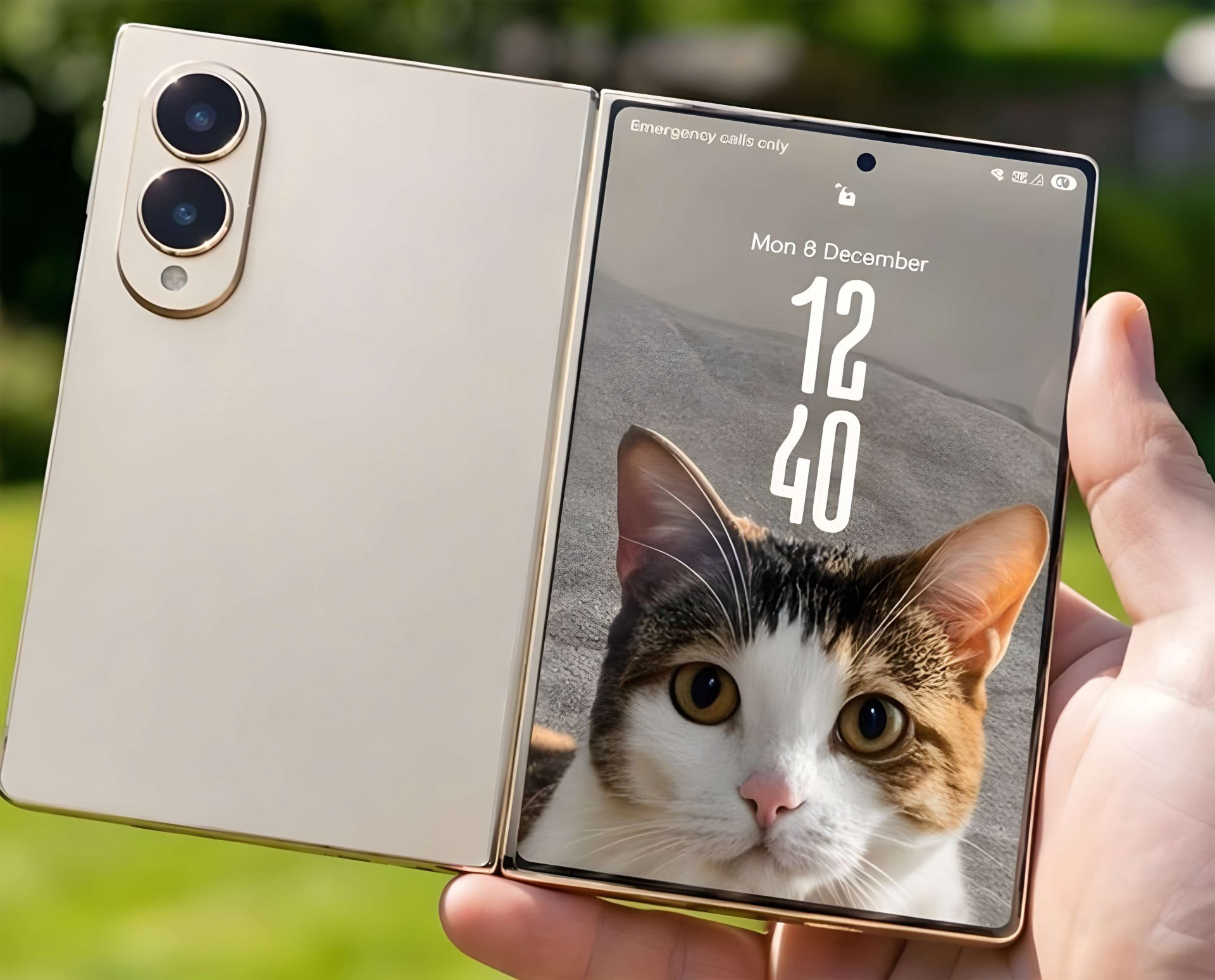
A small business owner in Shenzhen, rushing through a crowded tech district, checks her phone—battery life is down to 12%, but the screen remains sharp, apps launch instantly. This scenario could soon become routine if Huawei’s latest Kirin chip lives up to expectations. The Mate 90 SoC, rumored to be built on TSMC’s advanced 3nm node, promises not just performance parity with Apple’s A-series chips but a potential leap in efficiency that could redefine mid-range and flagship smartphones.
Huawei has long been a follower in chip technology, but the Mate 90 appears to mark a shift. If confirmed, its use of TSMC’s 3nm process would place it at the forefront of mobile SoC innovation, a rarity for a company still navigating global restrictions. The implications for Huawei’s roadmap are significant: if this chip powers devices in time for the iPhone 18 launch window—rumored to be late 2025 or early 2026—it could force Apple to accelerate its own R&D cycles, a dynamic that hasn’t been seen since the A17 Pro’s debut.
TSMC’s 3nm process is not yet in mass production, but Huawei’s alleged early access suggests a strategic partnership beyond typical foundry relationships. The Mate 90 would be one of the first consumer chips to adopt this node, offering theoretical gains in power efficiency and performance density. For small businesses relying on smartphones for inventory management or point-of-sale systems, this could mean longer battery life without sacrificing processing power—a critical balance in devices that run 24/7.
However, the path to market is far from smooth. TSMC’s 3nm node remains unproven at scale, and Huawei’s supply chain constraints—particularly around memory and advanced packaging—could delay or dilute the chip’s advantages. If the Mate 90 underperforms in real-world benchmarks, Huawei risks reinforcing its reputation as a fast follower rather than an innovator.
- Performance: Expected to match or exceed Apple’s A17 Pro in multi-core benchmarks, with improvements in AI processing for on-device tasks like image recognition and natural language understanding.
- Efficiency: Targeted 20% power savings over the current Kirin G2 Ultra, potentially extending battery life by up to two hours in mixed usage—a meaningful gain for businesses with mobile POS systems.
- Manufacturing: Likely to be produced alongside TSMC’s N3P process (a refined 3nm variant) if volume ramps begin in late 2024, but exact start dates are unconfirmed.
- Integration: Rumored to include a new CPU architecture with up to six cores, a next-gen GPU optimized for ray tracing, and an AI accelerator with 10 TOPS performance—though these claims require verification against Apple’s A-series counterparts.
The Mate 90’s potential doesn’t stop at hardware. Huawei has been quietly expanding its software ecosystem, particularly in areas like supply chain logistics and retail analytics, where on-device AI could offer small businesses a low-latency alternative to cloud-based solutions. If paired with improvements in thermal management—critical for devices used in warehouses or outdoor settings—the chip could address one of Huawei’s historic weak points: heat.
Pricing will be the ultimate test. If Huawei positions the Mate 90 as a premium-tier chip, it may struggle to compete with Apple in high-end markets. A more aggressive mid-range strategy, however, could disrupt the segment where Samsung and Google currently dominate. The company’s ability to balance cost without sacrificing performance will determine whether this is a one-off achievement or the start of a new competitive era.
For now, the Mate 90 remains speculative, but its implications are clear: Huawei is betting on TSMC’s 3nm node as both a technological and market play. Whether it pays off depends less on the chip itself and more on how quickly Huawei can navigate the challenges of supply, software, and global competition. Small businesses, already squeezed between rising costs and slim margins, will be watching closely to see if this gamble translates into devices that finally close the gap with Apple—not just in benchmarks, but in real-world reliability.