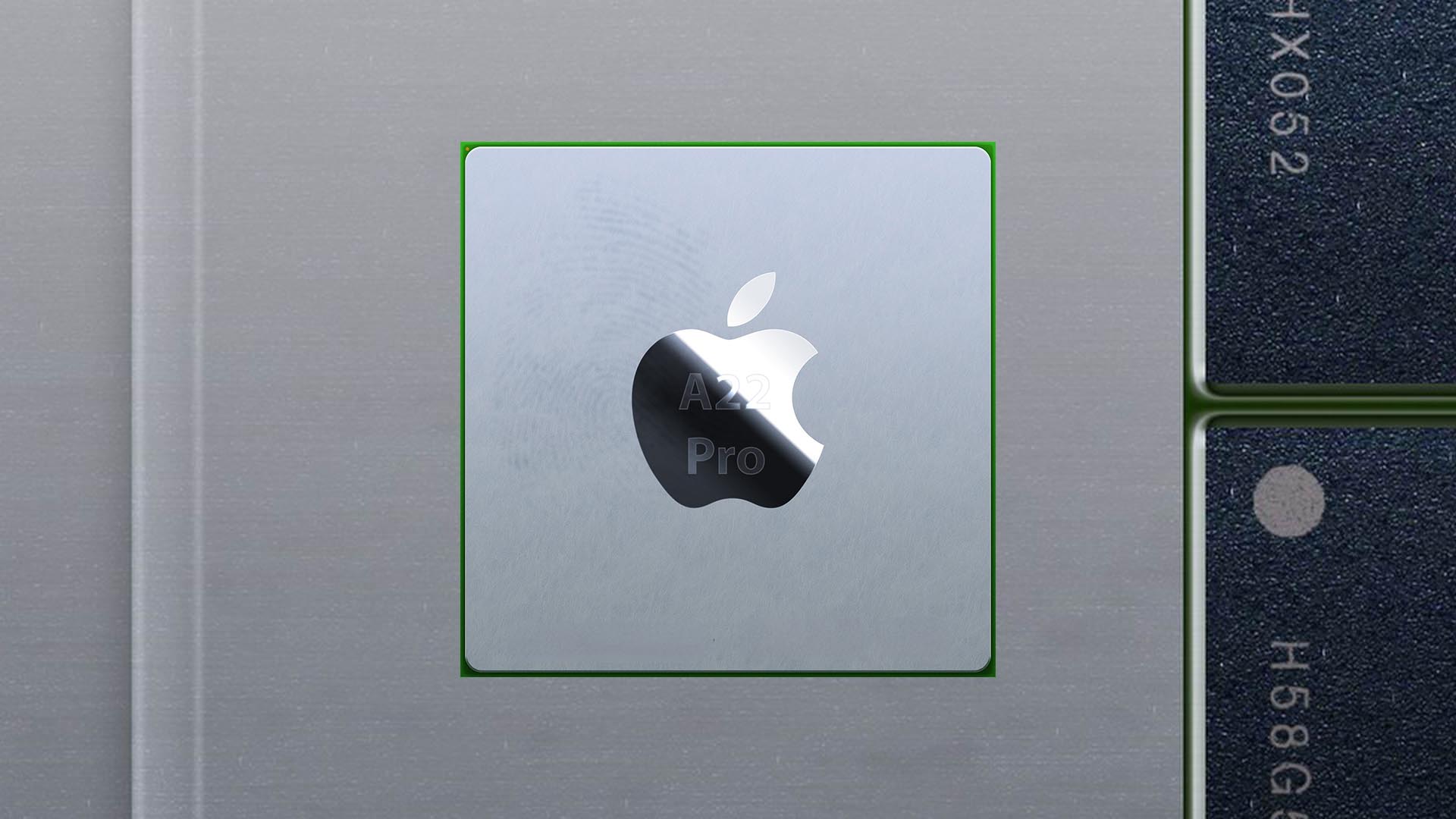
The A22 Pro, Apple's upcoming system-on-chip (SoC), represents a critical milestone in the company's semiconductor roadmap. Built on a 1.4nm process node, it is expected to arrive in just two years, signaling a major shift in how Apple approaches power efficiency and performance in its mobile devices.
This transition to a more advanced manufacturing process is not merely an incremental upgrade; it signifies a fundamental change in the way Apple’s chips are designed. The 1.4nm node, which is believed to be developed in partnership with TSMC, will allow for significant improvements in battery life and thermal management while maintaining or even exceeding the performance of its predecessors.
For gamers, this shift could mean longer play sessions without the need for frequent charging, a concern that has been growing as mobile gaming becomes more demanding. The A22 Pro is expected to feature enhanced graphics capabilities, potentially leveraging improvements in both CPU and GPU architectures to deliver smoother gameplay and better visual fidelity.
However, the transition to a new process node also introduces risks. Compatibility with existing software and hardware ecosystems is a major consideration, especially for Apple, which has built its reputation on seamless integration between hardware and software. Ensuring that the A22 Pro can run iOS efficiently without sacrificing performance or stability will be crucial.
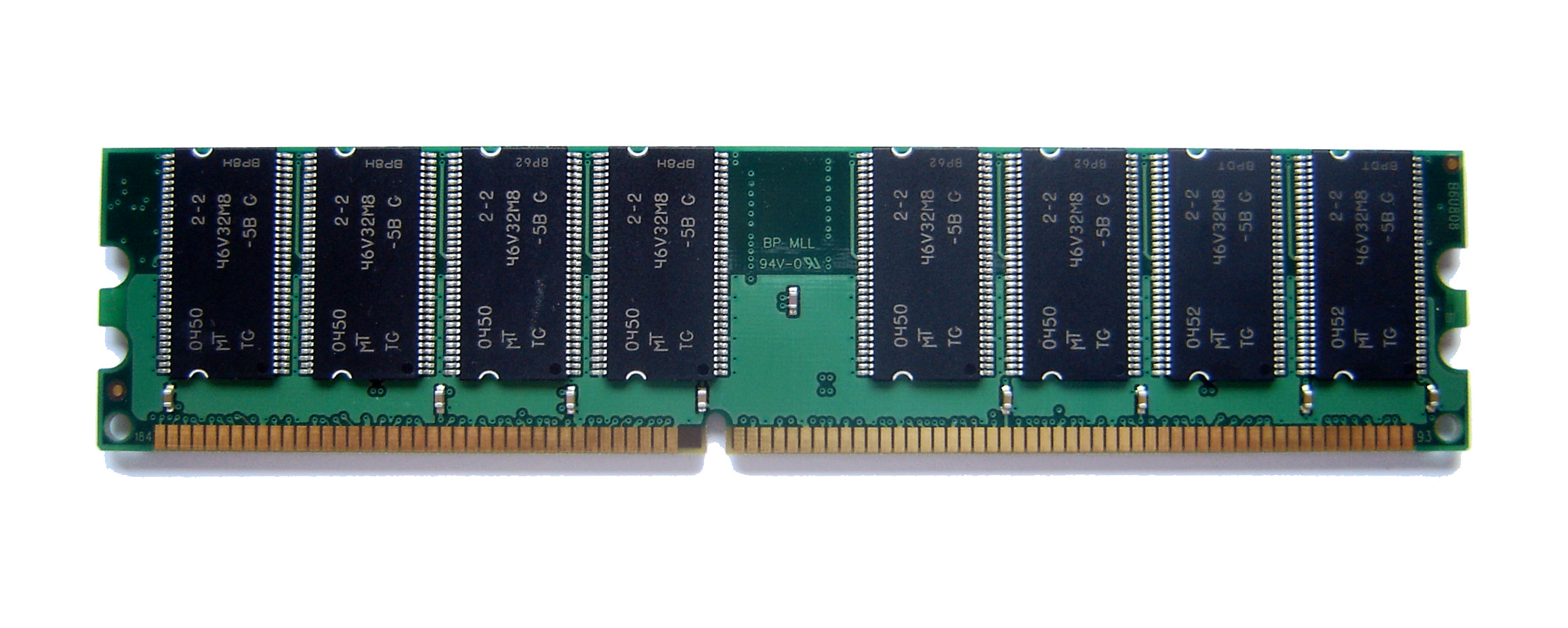
The A22 Pro is also likely to see advancements in memory technology, with rumors suggesting it could incorporate higher bandwidth memory (HBM) solutions. This would further enhance its capabilities, particularly for tasks that require significant data throughput, such as high-resolution gaming and advanced AI processing.
While the exact specifications of the A22 Pro remain under wraps, its arrival in just two years indicates Apple’s confidence in its ability to execute this transition smoothly. For consumers, this could mean a new generation of iPhones that are not only more powerful but also more energy-efficient, setting a new benchmark for what is possible in mobile computing.
In the competitive landscape of smartphones, where companies like Qualcomm and Samsung are pushing the boundaries of performance and efficiency, Apple’s move to a 1.4nm process node could position it favorably. However, the challenge will be to translate this technological advancement into tangible benefits for users without alienating those who rely on the stability and longevity of Apple’s ecosystem.
As we look ahead, the A22 Pro represents more than just a chip; it is a symbol of Apple’s commitment to innovation in an increasingly crowded market. Whether it will live up to the hype remains to be seen, but one thing is clear: the transition to 1.4nm is not just about making chips smaller—it’s about redefining what mobile devices can achieve.