Sixteen years after its release, Fallout: New Vegas* remains a defining title in RPG history—a game that balanced narrative freedom with a brutal, player-driven world. Yet its path to acclaim was far from immediate. According to the studio behind it, Obsidian Entertainment, the game faced an uphill battle at launch, criticized for technical flaws and perceived repetition from its predecessor. What began as a divisive entry has since been reclaimed as a cult classic, its design choices now celebrated as the gold standard for player agency in Bethesda’s Fallout series.
At launch, New Vegas was not universally embraced. Early reviews acknowledged its strengths—particularly its branching story and faction-driven conflicts—but also highlighted its rough edges. The game’s inventory system, inherited from Fallout 3, felt clunky, and its character models lacked the polish of contemporaries. Even its open world, while expansive, suffered from performance hiccups that made navigation frustrating. These issues, combined with skepticism over how much Obsidian had deviated from Bethesda’s template, led to a lukewarm initial reception.
Yet the game’s core philosophy—granting players near-total control over outcomes—was its secret weapon. The ability to resolve conflicts through dialogue, stealth, or sheer audacity (such as walking into Caesar’s war camp and defeating him with logic alone) set it apart. Over time, this depth resonated with players, who began to recognize New Vegas as a masterclass in emergent storytelling. By the time the dust settled, the game’s reputation had undergone a dramatic shift, evolving from a flawed but promising experiment into a beloved relic of RPG design.
The studio’s creative director has since reflected on this journey, noting it took roughly five years for the community to fully appreciate the game’s ambitions. During that period, Obsidian itself was still grappling with whether its design choices—particularly the emphasis on player-driven narratives—were truly resonating. The answer, it turns out, was a resounding yes.
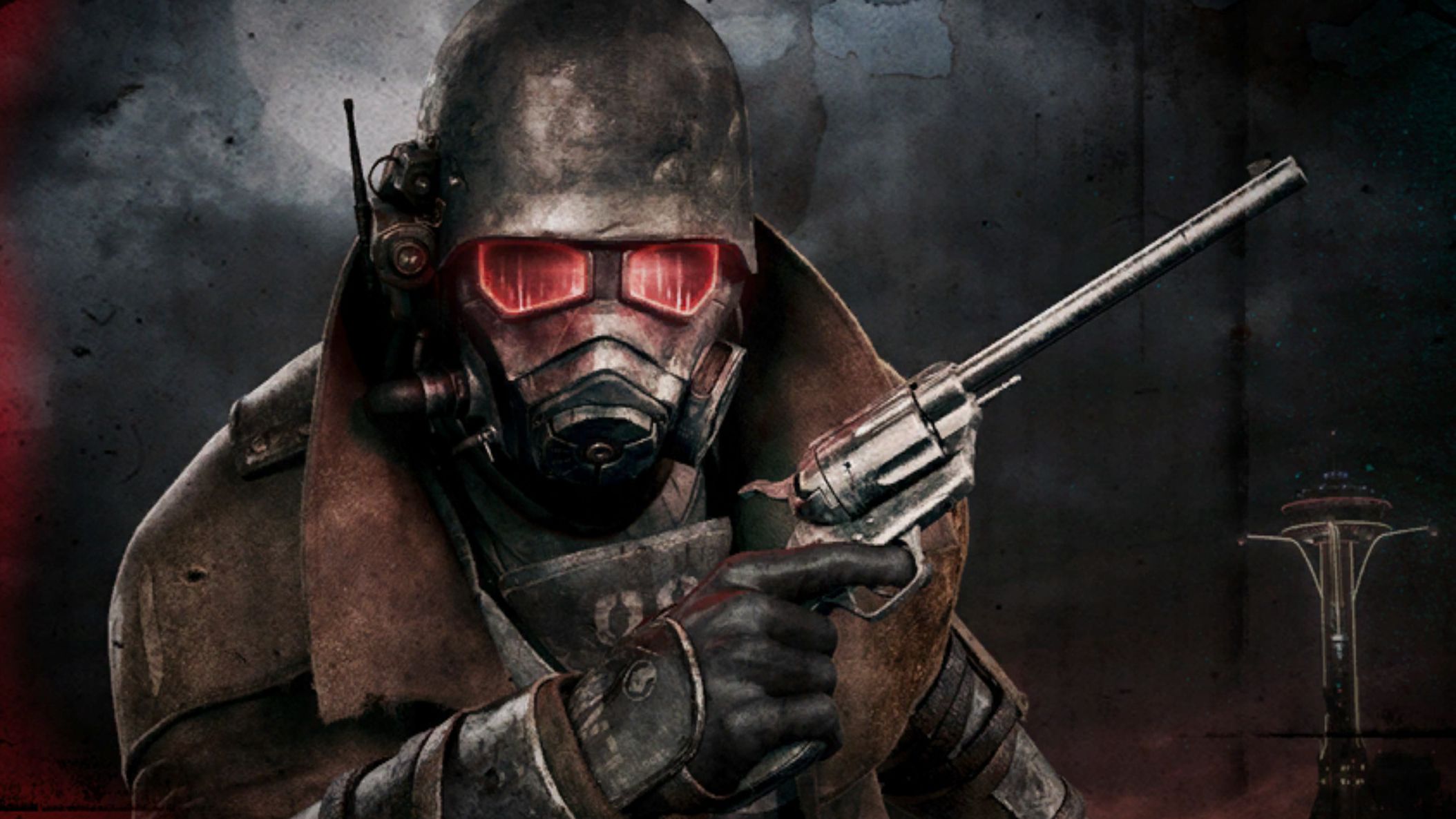
For fans of immersive RPGs, New Vegas is a benchmark for how games can adapt to player input without sacrificing depth. Its factions, each with distinct ideologies and moral ambiguities, allowed for stories that felt uniquely personal. The game’s legacy lies not just in its technical improvements over time (thanks to modding and updates) but in how it redefined what a Fallout experience could be: less about rigid objectives and more about the consequences of every choice.
Today, New Vegas stands as a testament to patience in game design. What was once criticized as derivative is now studied for its innovation. Its influence can be seen in later titles that prioritize player freedom, proving that even the most polarizing creations can become timeless.
- Initial Reception: Criticized for bugs, clunky mechanics, and perceived repetition from Fallout 3*. Early reviews praised its narrative but flagged technical and design limitations.
- Design Philosophy: Focused on player agency—factions, dialogue, and emergent storytelling shaped outcomes in unprecedented ways.
- Legacy Shift: Took five years for the game’s full potential to be recognized, with modding and community engagement later refining its experience.
- Industry Impact: Redefined RPG expectations in Bethesda’s franchise, influencing later titles to embrace player-driven narratives.
- Cultural Status: Now considered a cult classic, its design choices are retroactively celebrated as visionary.
The game’s journey from overlooked to iconic underscores a broader truth in gaming: sometimes, the most groundbreaking works need time to prove their worth. For Obsidian, that wait was worth it.