In a counterpoint to the growing discourse about AI rendering software engineers obsolete, Egnyte has embedded multiple AI coding tools across its global development team without reducing headcount. Instead, the company is using these tools to streamline onboarding for junior engineers, deepen codebase comprehension, and expedite their progression toward senior roles.
This approach underscores a broader shift in enterprise technology adoption, where AI serves not as a replacement but as an amplifier of human ingenuity. Egnyte's strategy—rooted in practical application rather than hype—offers a blueprint for how businesses can leverage generative AI to enhance productivity while preserving the irreplaceable elements of human judgment and accountability.
The company, which serves over 22,000 users including NASDAQ, Red Bull, and BuzzFeed, has integrated tools like Claude Code, Cursor, Augment, and Gemini CLI into its development workflows. These aren't just coding assistants; they function as collaborative partners that help engineers navigate complex codebases, generate pull request summaries, and automate unit testing—all while maintaining strict human oversight.
For junior developers, this means a significantly accelerated learning curve. Rather than starting with basic coding tasks, new hires at Egnyte engage in full development lifecycle activities from requirement analysis to post-deployment maintenance. This immersive approach provides immediate exposure to real-world challenges while leveraging AI to demystify complex codebases and automate routine testing processes.
However, the transition isn't without its complexities. Senior engineers, many of whom have experienced false promises from earlier AI tools, require careful onboarding to overcome skepticism. The company balances this by implementing gradual adoption strategies that build trust while demonstrating tangible productivity gains. This dual approach ensures both groups benefit: juniors progress faster with AI support, while seniors maintain their critical role in architecture and system-level decision making.
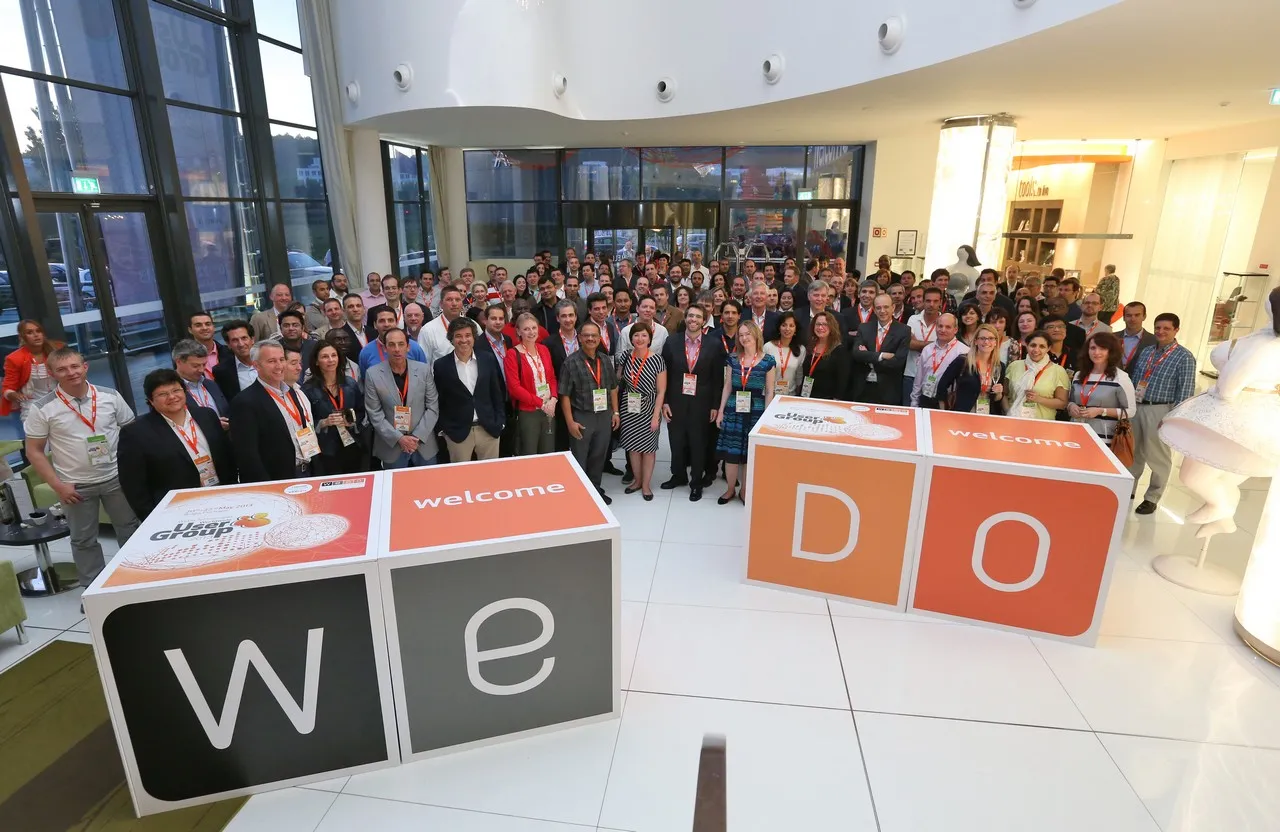
Looking ahead, Egnyte shows no signs of slowing hiring despite AI's growing capabilities. The company views this not just as a scaling exercise but as an investment in developing the next generation of senior talent. This perspective contrasts sharply with the doomsday predictions about AI replacing engineers, instead framing it as a tool that can compress learning timelines while raising performance standards.
The implications for technical leaders are clear: AI won't eliminate engineering jobs, but it will fundamentally reshape how talent is developed and deployed. Enterprises that treat these tools as infrastructure rather than replacements stand to gain the most—achieving faster development cycles without sacrificing the creativity, problem-solving skills, or accountability that only human engineers can provide.
For Egnyte, this philosophy extends beyond internal operations. The company is also using AI to enhance customer-facing products, developing customizable AI agents and copilots that build on its core platform capabilities. This dual application—internal productivity tools alongside external AI offerings—demonstrates how enterprises can derive value from generative AI at multiple levels of their operations.
The result is a development environment where AI handles the repetitive and time-consuming aspects of coding, while human engineers focus on innovation, architecture, and strategic decision-making. This balance between automation and human ingenuity represents not just a practical solution to current hiring challenges, but a model for how technology can evolve alongside human talent rather than against it.