How *Battlefield 6* Crushed *Call of Duty* in 2025—and What It Means for Gaming’s Future
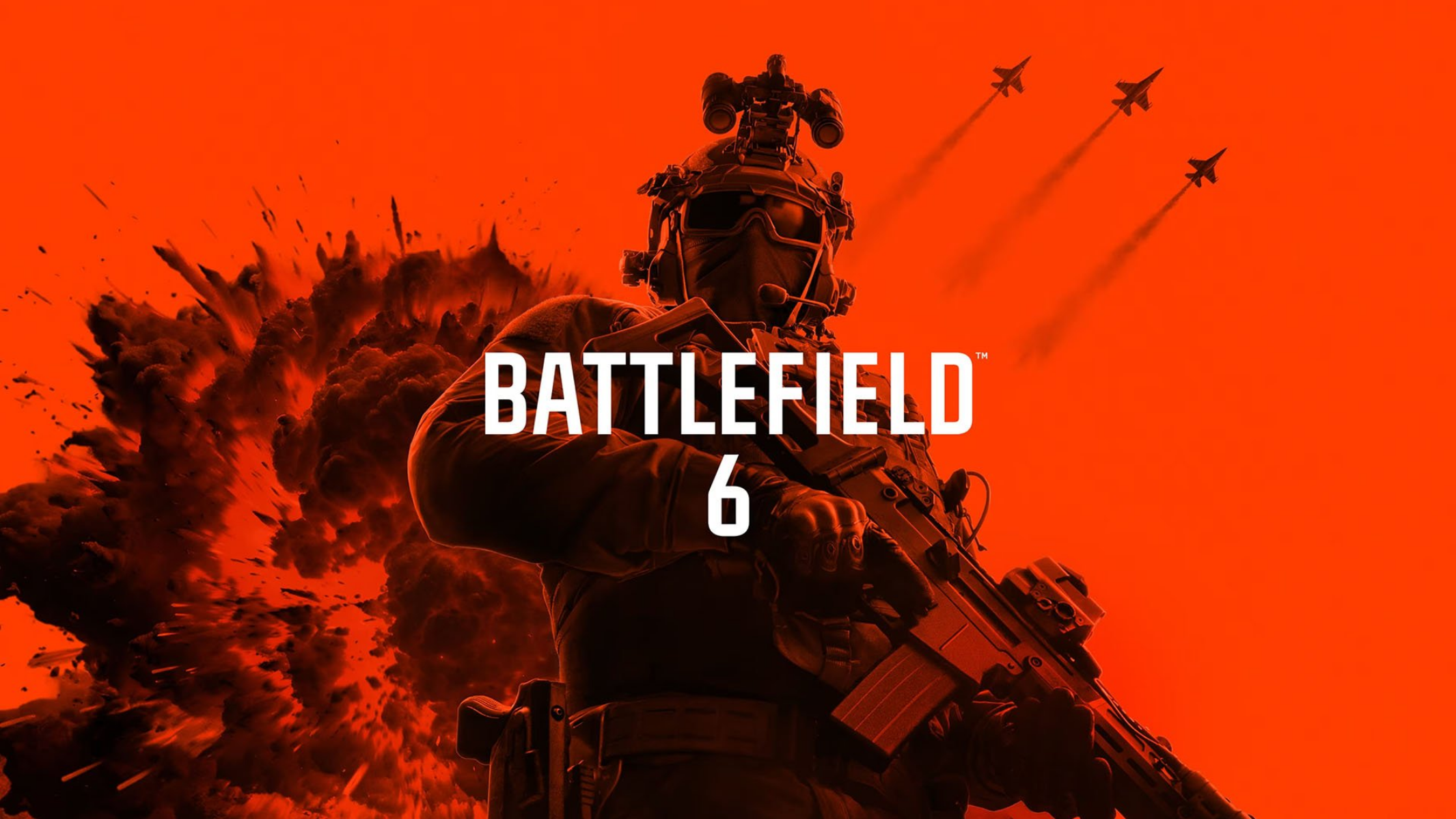
For the first time in over a decade, a *Call of Duty* title did not claim the top spot in U.S. game sales. Instead, *Battlefield 6* seized the crown, proving that even in an era of annualized shooter dominance, innovation and execution can reshape an entire market. The game’s success wasn’t just a statistical anomaly—it was the result of a deliberate strategy that paid off in unexpected ways.
While *Call of Duty* remains a cultural staple, *Battlefield 6*’s victory underscores a broader shift: developers are no longer relying solely on established franchises to drive sales. The question now is whether this trend will continue—or if 2026 will revert to the old guard.
What Actually Changed?
*Battlefield 6* didn’t just outperform expectations—it redefined them. The game sold more copies in the U.S. than any other title in 2025, a feat that industry analysts once deemed impossible without a *Call of Duty* release. How did it do it?
- Price and Accessibility: Unlike many AAA titles that rely on microtransactions, *Battlefield 6* positioned itself as a premium, one-time purchase. Its base game included a robust single-player campaign and multiplayer modes without heavy monetization, appealing to players tired of pay-to-win models.
- Hardware Optimization: The game was designed from the ground up for modern consoles and high-end PCs, ensuring smooth performance even on mid-range systems. This reduced frustration for players who might otherwise avoid demanding shooters.
- Marketing and Hype: EA leaned heavily into *Battlefield*’s legacy while modernizing its presentation. Trailers focused on large-scale battles and destructible environments, contrasting sharply with *Call of Duty*’s more polished but sometimes formulaic approach.
Yet, despite its success, *Battlefield 6* wasn’t the only game making waves. *Monster Hunter Wilds* held onto fourth place for the year, proving that niche genres can still thrive. Meanwhile, *Borderlands 4* and *NBA 2K26* rounded out the top five, showing that even games with rocky launches can recover.
The Market Behind the Numbers
While *Battlefield 6* stole the spotlight, the U.S. gaming market’s $60.7 billion valuation in 2025 tells a different story. Growth wasn’t driven by premium game sales alone—it was a mix of rising hardware costs, mobile spending, and subscription services.
1.4% Growth
The industry expanded by $1.4 billion compared to 2024, but not because more players bought games. Instead, higher prices—especially for consoles and subscriptions—pushed revenue up.
Nintendo Switch 2 Dominance
The Switch 2 became the best-selling console of the year, with 4.4 million units sold in the U.S. alone. Its lower price point and family-friendly appeal made it a standout in a market otherwise dominated by high-end systems.
Mobile’s Silent Contribution
While premium games grab headlines, mobile gaming remains the silent driver of growth. Free-to-play titles with optional purchases continue to pull in billions, often without the same media attention as AAA releases.
The real takeaway? The gaming market is no longer a monolith. It’s fragmented—between premium experiences, mobile dominance, and hardware shifts. *Battlefield 6*’s success is just one piece of a much larger puzzle.
Why This Matters for Developers and Players
The rise of *Battlefield 6* sends a clear message to game studios: players are hungry for fresh experiences, not just annualized content. But the industry’s reliance on rising prices to drive revenue is a double-edged sword.
For players, this means
- More Competition: If non-*Call of Duty* titles can dominate, developers may take bigger risks with original IPs.
- Higher Costs: Consoles and subscriptions are getting more expensive, which could limit access for casual gamers.
- Mobile’s Influence: The success of free-to-play games means premium titles must justify their price tags with stronger content.
For developers, the lesson is simpler: innovation still sells. *Battlefield 6* didn’t just ride on nostalgia—it offered something new. Whether that trend continues depends on whether studios are willing to bet on unproven ideas.
The Year Ahead: Will *Battlefield 6*’s Success Last?
2025 was the year *Battlefield* broke the mold, but 2026 could be a test of whether this was a fluke or a turning point. With *Call of Duty* still a cultural juggernaut and new titles like *ARC Raiders* gaining traction, the market remains unpredictable.
The bigger question is whether the industry will keep adapting—or if it will fall back into the comfort of annualized releases. For now, *Battlefield 6* has proven that change is possible. The challenge ahead is sustaining it.
The gaming landscape is evolving. *Battlefield 6* didn’t just win—it redefined what it means to be a top-selling game. The real victory, however, will be whether this shift encourages more creativity or just another cycle of familiar releases. One thing is certain: the players are watching.