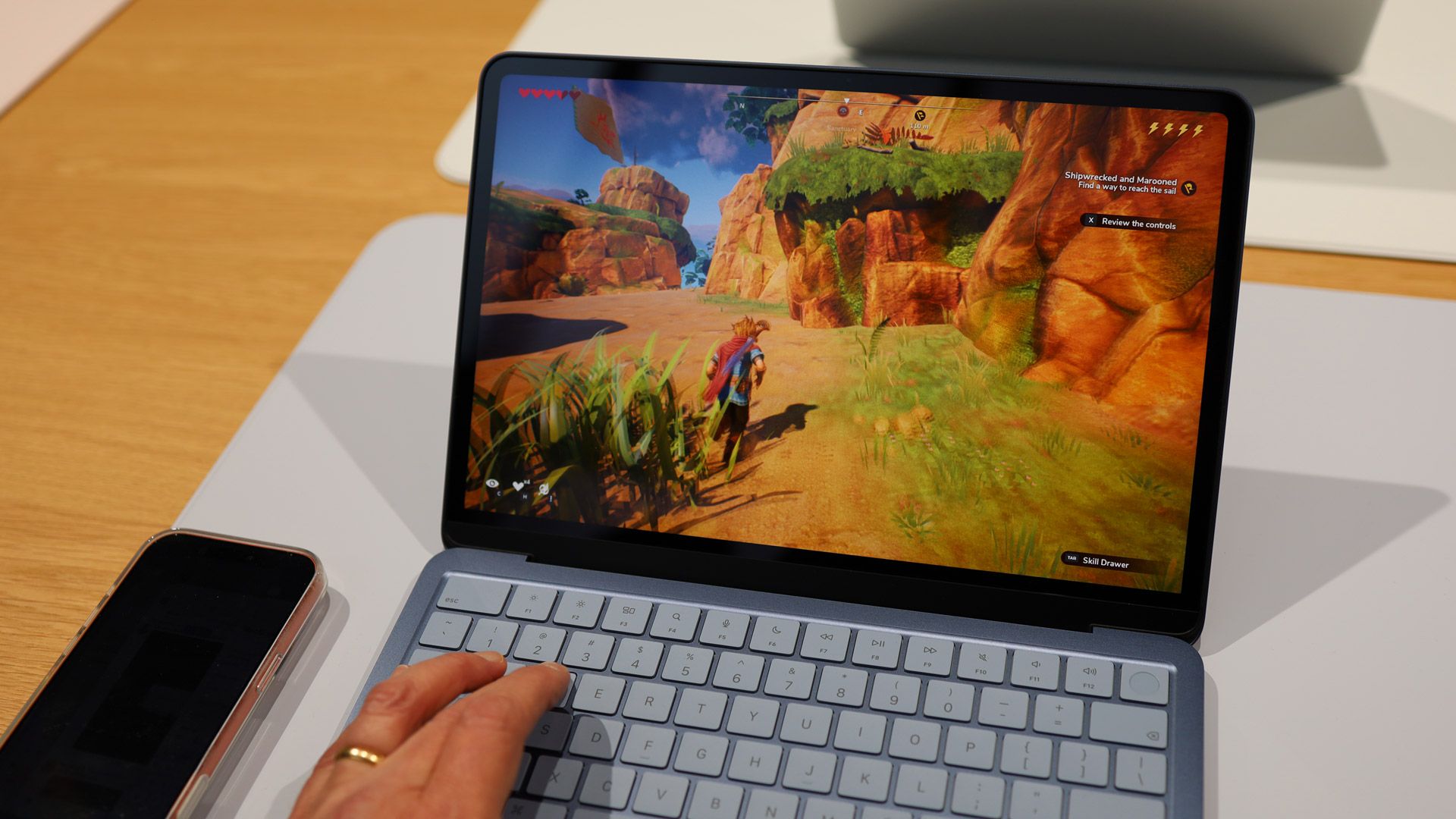
The arrival of HDMI 2.2 in 2027 promises a significant upgrade for home theaters and gaming setups, but consumers will need to tread carefully to avoid disappointment.
HDMI 2.2 builds on its predecessor by adding support for dynamic HDR at 4K resolution with 120Hz refresh rates, delivering smoother motion and richer visuals. It also introduces object-based audio and higher bitrate capabilities, which could elevate immersive sound experiences to new heights.
However, the transition is not without risks. Not all devices labeled as HDMI 2.2-compatible will deliver the full suite of features. Some may only support partial functionality, leaving buyers with cables or accessories that don’t fully leverage the standard’s potential. This could lead to mismatched setups where performance falls short of expectations.
Pricing is another concern. HDMI 2.2 cables are expected to be more expensive than their HDMI 2.1 counterparts, potentially costing over $50 for premium versions. Consumers will need to weigh whether the performance gains justify the investment, especially if they already own HDMI 2.1 equipment.
The market may see a gradual rollout of HDMI 2.2, meaning early adopters could face higher costs without immediate compatibility guarantees. Manufacturers must ensure their products support both older and future HDMI standards, adding complexity for buyers who need to verify full feature support.
For those with high-end home theaters or gaming rigs, the benefits of HDMI 2.2 will be most apparent. However, others may find the incremental improvements don’t justify the upgrade cost. The key is to prioritize devices and cables that are explicitly certified for full compatibility to avoid potential pitfalls.
In summary, while HDMI 2.2 offers exciting advancements, buyers should approach adoption with caution to ensure they get the performance they expect.