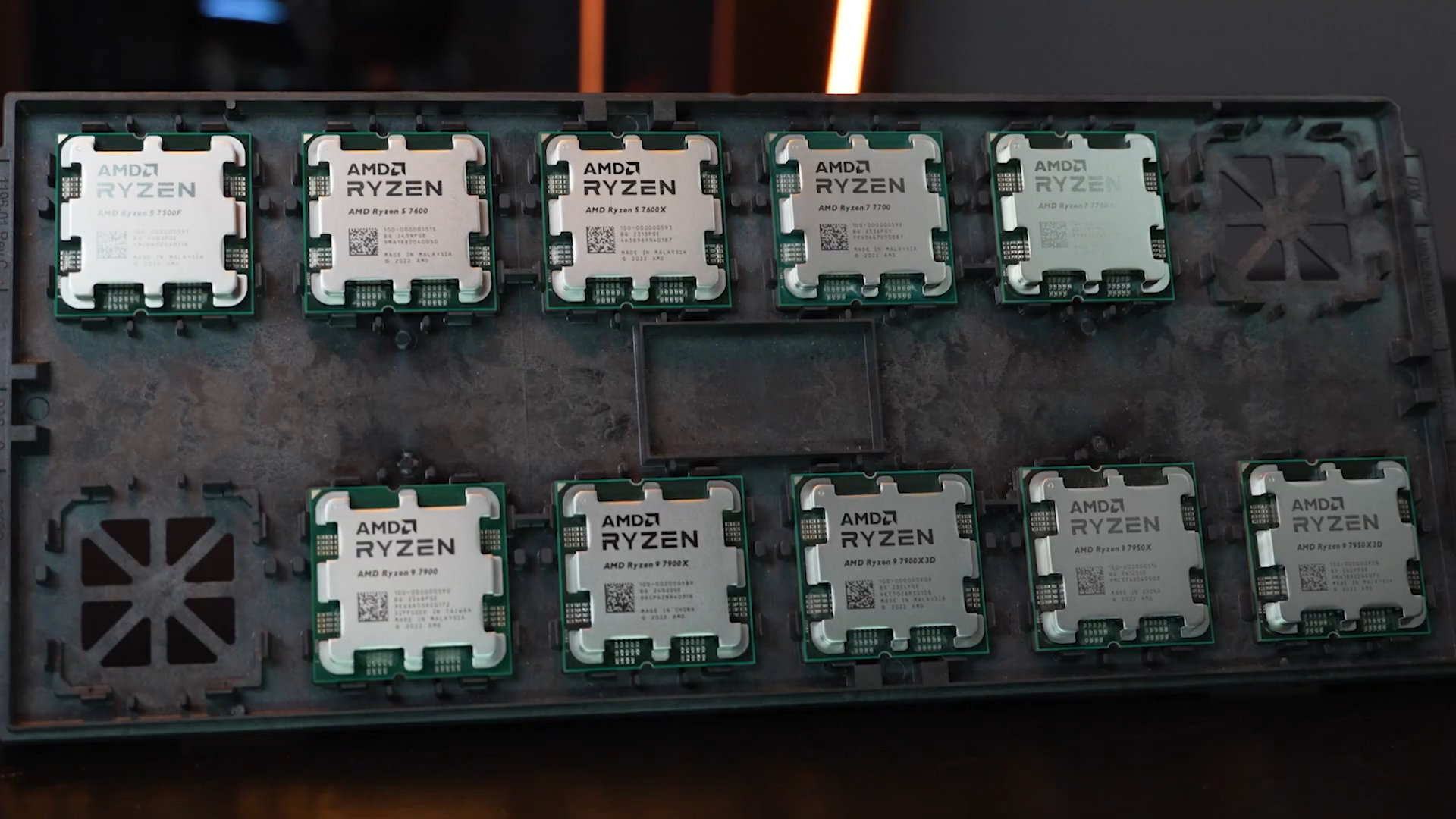
AMD has introduced a performance-enhancing update for its Threadripper Pro platform that targets specific bottlenecks in multithreaded workloads, offering dramatic speed improvements in certain AI and data processing tasks without requiring hardware changes. The optimization focuses on how the CPUs handle parallel execution, which could significantly impact data centers running heavily threaded applications.
The most notable gains come from benchmarks simulating video transcoding pipelines similar to HandBrake, where throughput can improve by up to 215% when using a 64-core Threadripper Pro 7000 WX series CPU. However, the effectiveness of these optimizations varies widely depending on workload specifics—AI inference tasks may see benefits if properly threaded, while other operations could remain unchanged.
Key Details
- Performance improvements are most pronounced in multithreaded workloads, particularly those with high core counts.
- Single-threaded performance and power efficiency remain unaffected by the update.
- AI inference tasks show potential for significant speedups if applications are optimized for threading.
Why This Matters
The update represents a shift in how Threadripper Pro handles parallel workloads, addressing inefficiencies that previously limited performance in high-core-count configurations. For data centers running encoding pipelines or certain AI models, this could translate to faster processing times without the need for new hardware. However, the gains are not universal—workloads with low thread counts or high memory demands may see minimal improvements.
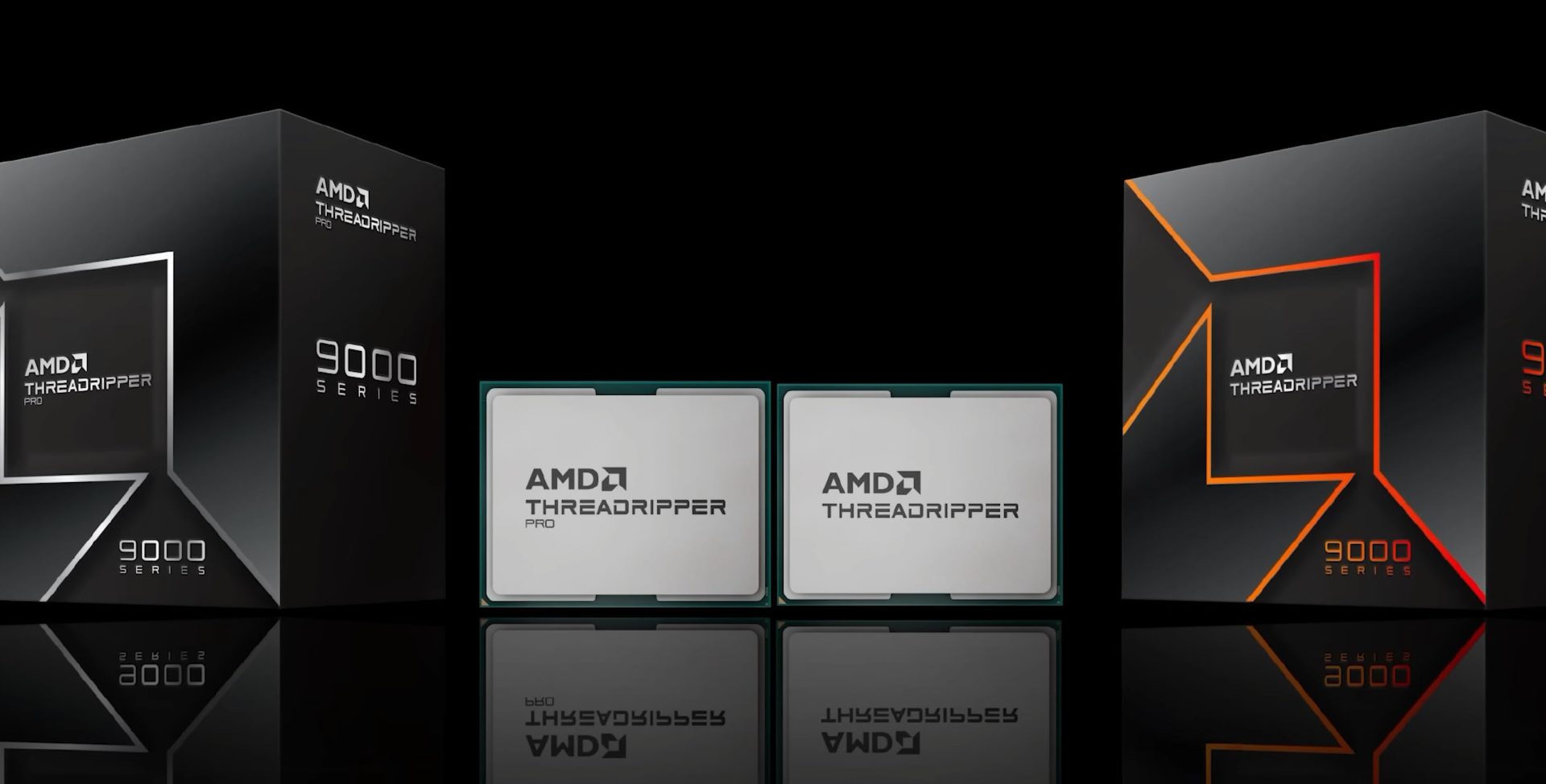
Considerations for Users
Existing Threadripper Pro systems can benefit immediately from this software update, making it an attractive option for those looking to maximize performance without upgrading hardware. However, potential buyers should verify whether their intended workloads are optimized for threading to fully leverage the improvements. Enterprises evaluating upgrade paths should also note that this optimization is specific to Threadripper Pro and may not extend to other AMD platforms like EPYC in the near future.
Practical Takeaway
If your operations rely on heavily threaded workloads—such as video transcoding, image processing, or AI model inference—this update could deliver meaningful performance gains. However, don’t expect across-the-board improvements; the effectiveness depends on how well your applications adapt to the new threading model. For latency-sensitive tasks or those with limited thread utilization, the impact may be negligible. In such cases, evaluating whether the update aligns with your specific needs will determine its value.