HBO’s Baldur’s Gate* television adaptation—developed by Chernobyl and The Last of Us creator Craig Mazin—has sparked a rare public rift within Larian Studios, the game’s developer. While the studio’s CEO expresses cautious optimism about creative alignment, a key writer has openly questioned whether any external team can replicate the game’s narrative craftsmanship. The tension underscores a pivotal question: Will the show expand the franchise’s lore with respect, or risk diluting its essence?
The announcement of a Baldur’s Gate TV series arrived amid growing fan speculation about how closely it would adhere to the game’s world. Larian has already distanced itself from Dungeons & Dragons licensing for future projects, suggesting the show could introduce an entirely new cast. Yet, the game’s endings were explicitly designed to leave room for further storytelling—a detail Larian’s CEO, Swen Vincke, highlighted as a deliberate foundation for potential adaptations.
Vincke’s measured support contrasts sharply with the stance of Michael Douse, Larian’s publishing lead and a vocal advocate for the game’s writers. In a series of posts, Douse framed the show’s development as a high-stakes gamble, arguing that no external creative team could surpass the studio’s internal talent. While he stopped short of outright condemnation, his skepticism was palpable, amplified by darkly humorous remarks about the show’s reception. His warning—‘Don’t abandon hope, but do expect the world’—hints at a fear that HBO’s adaptation might prioritize spectacle over substance.
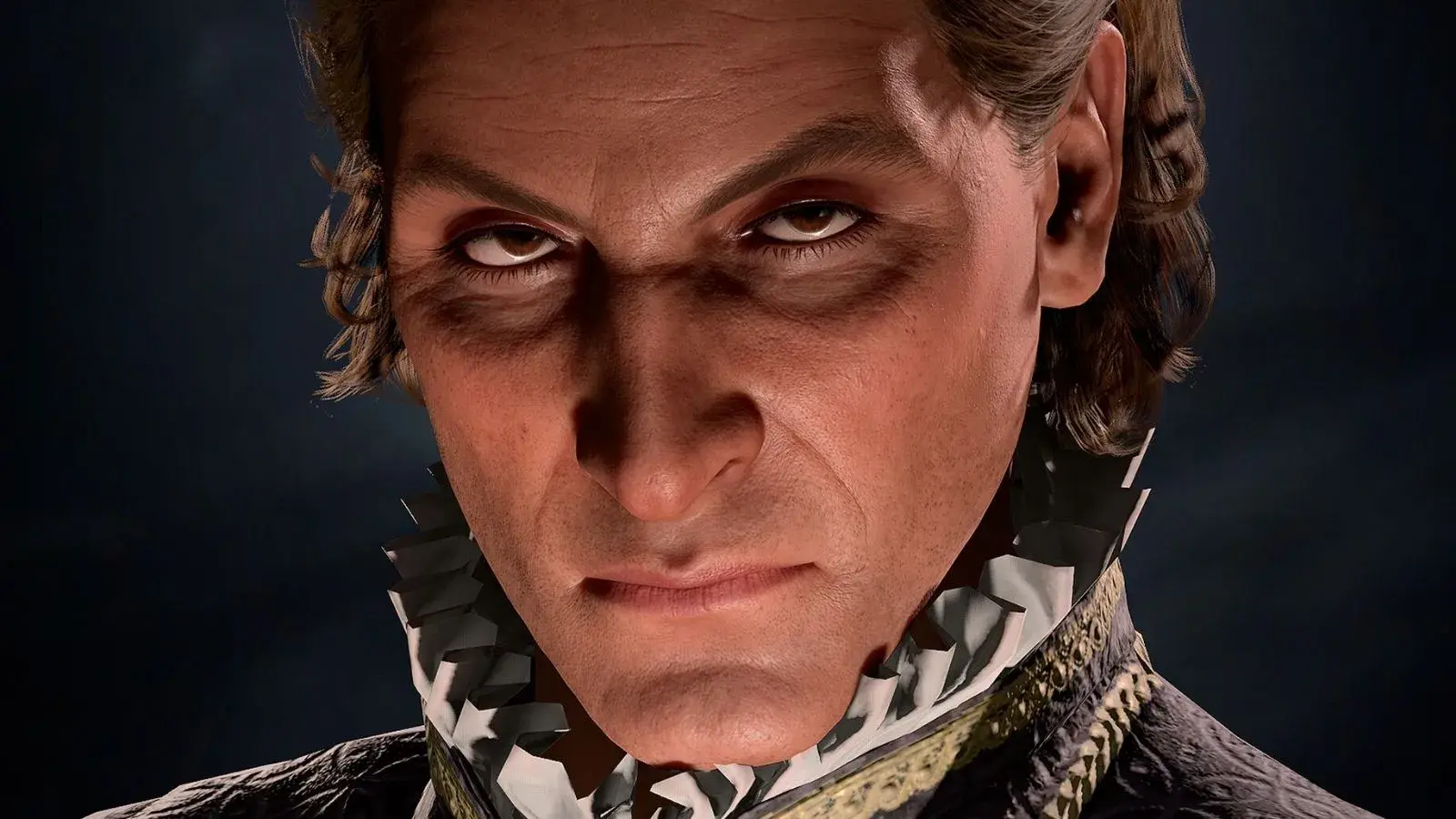
- HBO’s Baldur’s Gate show is in early stages, with Craig Mazin’s team reportedly consulting Larian’s writers.
- Larian’s CEO sees potential in the collaboration, citing the game’s open-ended endings as narrative inspiration.
- A senior Larian writer doubts any external team can match the game’s depth, though he avoids outright rejection.
- Fan reactions range from excitement to skepticism, with debates centering on whether the show can justify its title.
- Larian’s future may hinge on whether the adaptation succeeds—or if the studio will pivot further away from D&D-linked properties.
The divide between Vincke and Douse reflects broader concerns among fans and industry observers. The game’s success hinged on its rich, player-driven storytelling—a hallmark of Larian’s approach that HBO will struggle to replicate without direct involvement. Vincke’s revelation that Mazin sought a meeting with Larian’s team offers a glimmer of hope, suggesting the show’s creators are at least attempting to align with the source material’s tone. Yet, Douse’s reservations serve as a reminder that even well-intentioned adaptations can fall short when divorced from their origins.
For now, the show remains in pre-production, with no confirmed cast or release window. Whether it becomes a faithful extension of Baldur’s Gate 3 or a standalone reimagining will depend on how closely Mazin’s team collaborates with Larian—and whether the studio’s internal divisions signal deeper creative uncertainty. One thing is clear: the bar for this adaptation has been set impossibly high.
Regardless of its outcome, the debate over HBO’s Baldur’s Gate* serves as a microcosm of a larger industry trend. As gaming franchises expand into television, the challenge of preserving their essence grows more complex. For Larian, the stakes are personal; for fans, the question remains: Can a show ever truly capture the magic of a game that thrives on player agency and emergent storytelling?