ArenaNet’s latest fashion system update has sparked frustration among Guild Wars 2 players, who describe the new template-based workflow as a step backward in usability. The requirement to manually migrate existing outfits into the system’s rigid structure has created a stark divide: casual players may adapt quickly, but veterans with complex builds—featuring layered legendaries or expanded inventory slots—now face hours of tedious reconfiguration. The absence of an automated migration tool only exacerbates the issue, forcing users to recreate hundreds of meticulously crafted looks from scratch.
The $10 gem pack, positioned as a budget-friendly solution for accessing new templates, offers 800 gems—a better deal than buying templates individually—but fails to address the core problem. Players must still invest significant time rebuilding their wardrobes, and the lack of a seamless transition has led to widespread skepticism about whether the update was thoroughly tested or rushed to meet an unspecified deadline. Some speculate that future patches could refine the system, but for now, the changes feel less like an improvement and more like a forced restructuring.
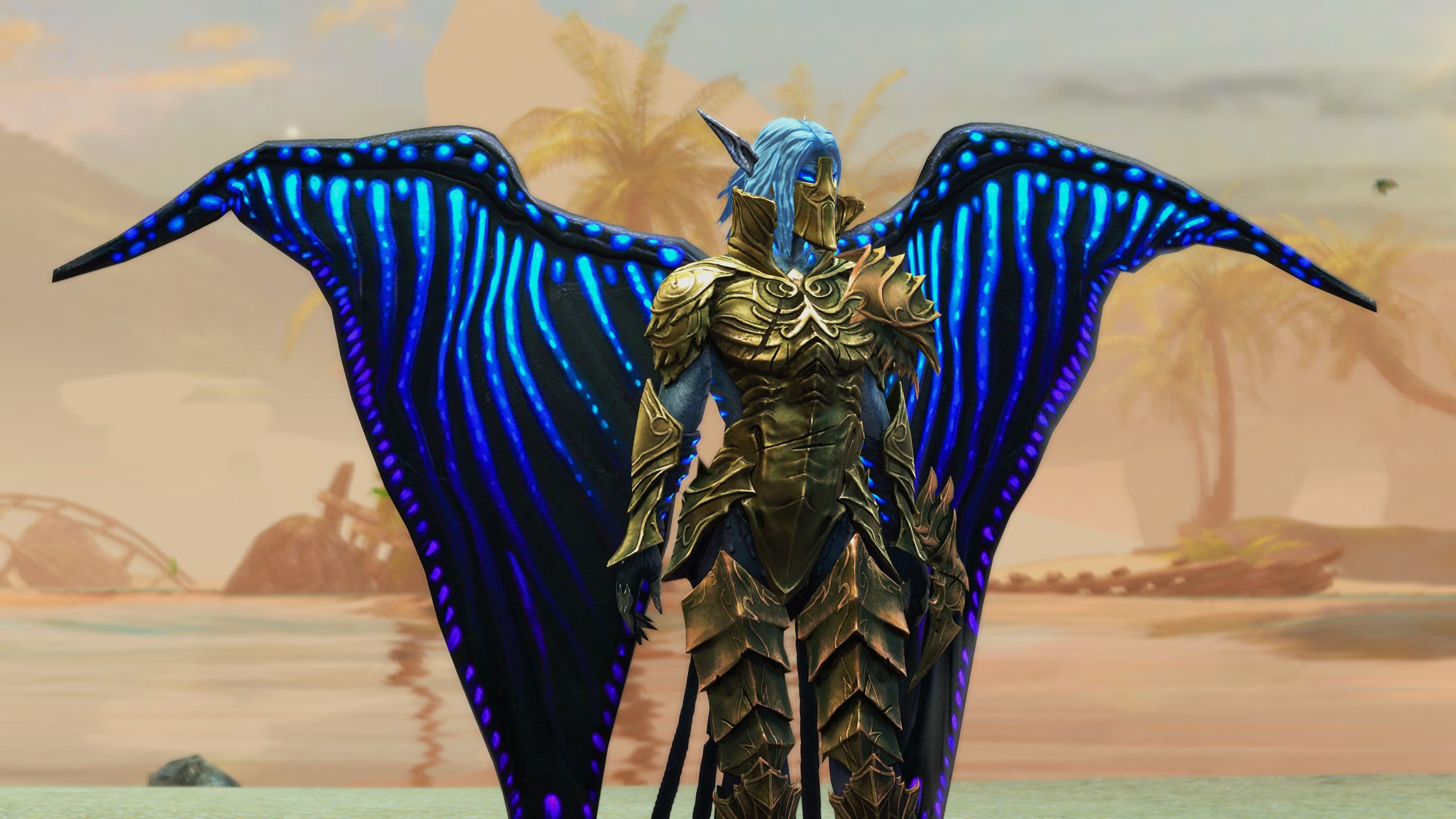
Reactions online reveal a recurring theme: the update prioritized systemic changes over player convenience. Many highlight the lack of transparency in early communications, which downplayed the extent of the overhaul and left users unprepared for the disruption. While the raid quickplay feature remains functional, it has become overshadowed by the backlash over the fashion system—a feature that has long been a defining aspect of the game. The disconnect between ArenaNet’s intentions and the reality of implementation has left players questioning whether their time and effort have been adequately valued.
At its heart, the controversy underscores a broader tension in live-service games: developers often push structural updates with the best of intentions, only to encounter resistance when those changes disrupt established workflows. For *Guild Wars 2*, where visual customization has been a cornerstone since launch, the fashion overhaul serves as a reminder that even well-meaning redesigns can fail if they don’t account for the habits of the community they serve. Until the system evolves to accommodate existing player needs, the update may stand as a case study in how technical improvements can backfire when usability is overlooked.