An IT manager in a mid-sized gaming company is reviewing server capacity logs when they notice an unexpected spike in traffic—nothing to do with their systems, just the usual pre-order frenzy ahead of a major title.
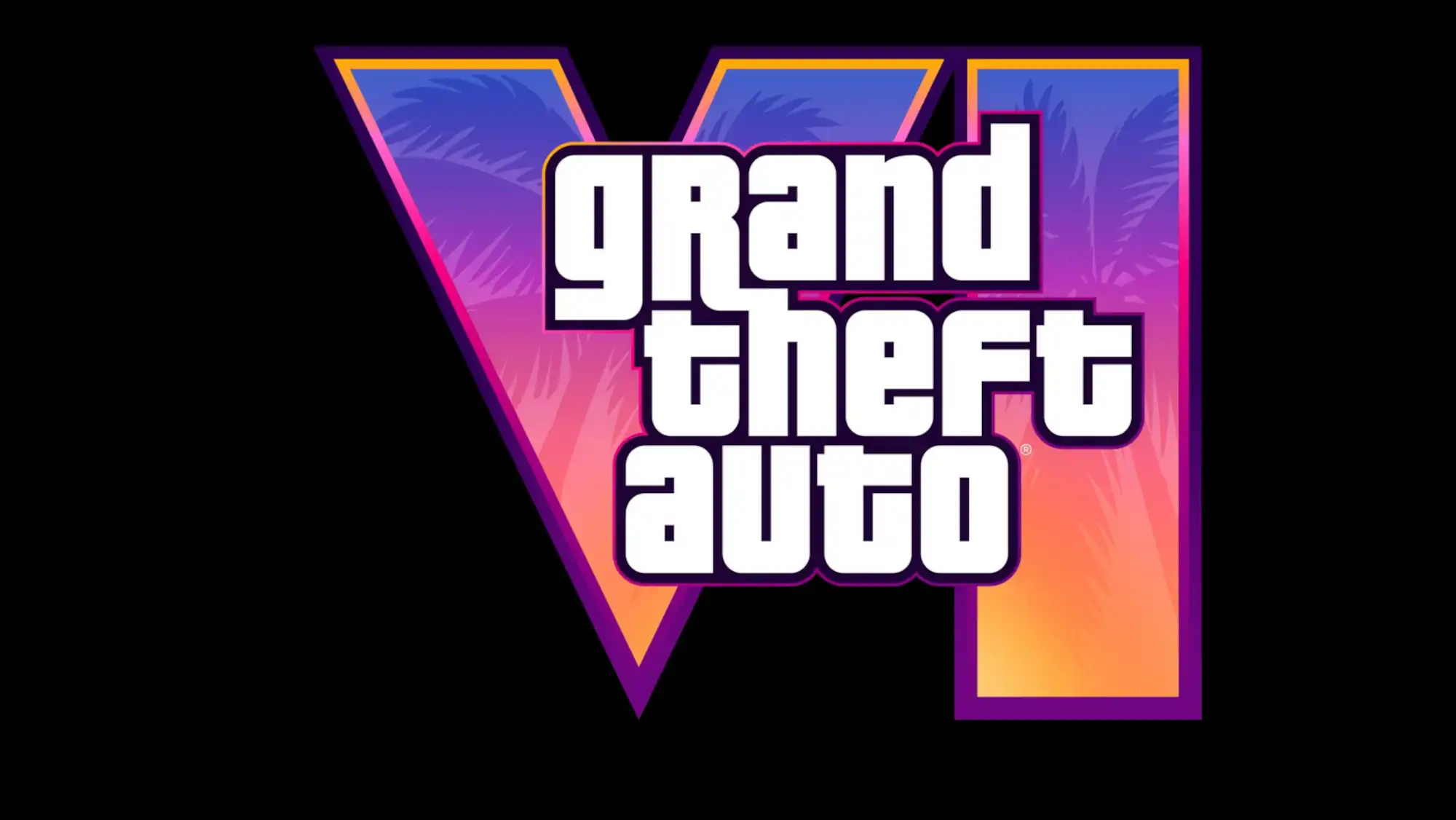
That title is GTA VI, and starting June 25, players can begin reserving copies. The announcement brings clarity on one front but leaves IT teams in the dark about supply chains and long-term availability—critical factors for businesses planning hardware upgrades or cloud resources around a launch that’s already shaping up to be a landmark event.
GTA VI isn’t just another game release; it’s the next chapter in a franchise that has repeatedly pushed the boundaries of what’s possible on modern hardware. The previous installment, GTA V, remains one of the most demanding titles on PC and console, with mod support that can push even high-end GPUs to their limits. GTA VI is expected to continue that trend, if not accelerate it further.
A New Era for Performance Demands
While Rockstar Games has remained tight-lipped about the technical specifications of GTA VI, industry insiders and early benchmark leaks suggest a significant leap forward. The game is rumored to feature an open-world environment that’s larger, more detailed, and more dynamic than anything seen before in the series. This isn’t just about bigger maps—it’s about how those environments interact with players.
- Expected to run on a next-gen game engine, likely built on advancements from Red Dead Redemption 2, which already demanded substantial hardware resources.
- Rumored to support advanced features like real-time ray tracing, dynamic weather systems that affect performance, and physics simulations that could strain even the latest GPUs.
- Potential for modular content that could push storage requirements higher than GTA V, which already sits at around 120GB for a full installation with all DLCs.
The implications for IT teams are clear: if GTA VI follows the pattern of its predecessors, it will require more powerful hardware to run smoothly, especially on higher resolutions or with advanced graphical settings enabled. This could mean renewed pressure on workstations and gaming PCs already stretched by other demanding applications like 3D rendering or virtualization.
Pricing and Supply: The Unknown Variables
Where GTA VI differs from past entries is in the uncertainty surrounding its pricing and supply. Historically, Rockstar has released games with limited initial stock due to high demand, leading to long wait times for physical copies and occasional digital shortages. However, this time, the company appears to be taking a different approach.
Pre-orders are opening on June 25, but unlike previous launches, there’s no clear indication of how many copies will be available at launch or whether digital storefronts like Steam or Epic Games Store will face similar constraints. This lack of transparency could leave IT teams scrambling if they rely on bulk purchases for employee systems or corporate gaming setups.
Additionally, the game is expected to be a cross-platform release, supporting both PC and next-gen consoles. This dual approach could complicate supply chains, as Rockstar may prioritize console versions first, leaving PC players (and IT departments) playing catch-up. There’s also speculation that digital delivery models might shift, given the size of the game—possibly requiring more robust bandwidth or storage solutions for businesses hosting in-house servers.
What to Expect When It’s Here
The most concrete detail so far is the launch date: GTA VI will arrive on November 13, 2025. Beyond that, IT teams should brace for a few key scenarios
- A surge in demand for high-end GPUs and CPUs, potentially leading to temporary shortages or price hikes similar to those seen during the launch of GTA V.
- Increased strain on network infrastructure if the game’s online components (rumored to include persistent world updates) require more robust backend support than previous titles.
- A need for storage planning, especially in corporate environments where multiple workstations or VMs might need to accommodate the game’s size and potential DLCs.
For now, IT managers would be wise to monitor hardware inventories closely. If GTA VI lives up to its reputation, it won’t just be another entry in a long-running series—it could redefine what’s possible in open-world gaming, leaving IT teams to play catch-up on both the technical and logistical fronts.
The bottom line: GTA VI is poised to become one of the most hardware-intensive games ever released. Whether that translates into immediate supply crunches or long-term performance challenges remains to be seen, but for IT departments, preparation starts now.