The graphics card market is on the brink of a reckoning. With memory chip prices spiraling upward due to relentless AI data center demand, and Nvidia prioritizing high-profit industrial GPUs over consumer models, smaller manufacturers like Zotac are questioning whether they can stay in business. The fallout is already visible: the RTX 5070 Ti—once a standout value pick with 16GB of VRAM—has vanished from shelves, while the RTX 5090 now commands prices far above its launch cost.
The crisis isn’t just about availability. It’s about the very sustainability of the industry. A statement from Zotac, a Singapore-based GPU vendor, painted a grim picture: the current memory crunch may force smaller manufacturers to the brink. Stable supply going forward may no longer be feasible, the company warned, highlighting sharp price hikes for both the RTX 5090 and the 5060 Ti 16GB variant.
For consumers, the impact is immediate. Cards like the 5070 Ti, which once offered compelling performance per dollar, are now nearly impossible to find at retail. Scalpers have capitalized on the shortage, listing these GPUs at two to three times their original MSRP. Even Nvidia’s own 5080—positioned as a premium alternative with 16GB of memory—is expected to follow the same trajectory, with prices climbing as memory costs continue to rise.
The AI Effect: Why GPUs Are Caught in the Crossfire
The root of the problem lies in the surging demand for memory chips, driven primarily by AI infrastructure. Data centers require massive amounts of high-bandwidth RAM, and the same chips used in GPUs are now being diverted to these high-priority markets. This shift has sent memory prices soaring, directly affecting GPU production costs.
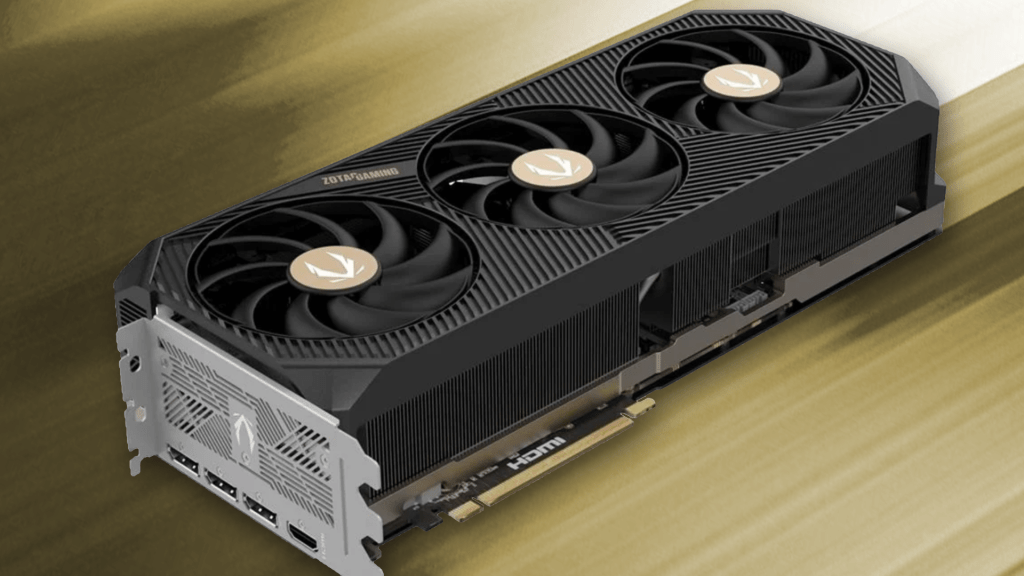
Nvidia’s strategic pivot hasn’t helped. The company has increasingly focused on industrial-grade GPUs, which command significantly higher margins than consumer models. This realignment has left popular cards like the 5070 Ti and 5060 Ti 16GB in short supply, as manufacturing capacity is redirected toward more profitable segments. The result? A market where even mid-range GPUs are becoming a luxury item.
Who Gets Left Behind?
While larger brands like Asus, Gigabyte, and MSI can diversify their product lines to offset losses, smaller manufacturers like Zotac face a more precarious situation. Zotac’s business model relies heavily on GPUs, mini PCs, and niche industrial workstations—all of which are now grappling with escalating memory costs. The company’s warning serves as a stark reminder of how vulnerable the GPU ecosystem has become, particularly for those without the financial cushion of a broader product portfolio.
The ripple effects extend beyond GPUs. The broader PC and mobile industries are also feeling the strain, as memory shortages disrupt supply chains and inflate costs across the board. For now, consumers can expect continued scarcity and higher prices, with no immediate relief in sight.
As the industry grapples with these challenges, one question looms: Can smaller manufacturers survive in a market where memory costs are dictating survival—or will the next generation of GPUs be the domain of only the largest players?