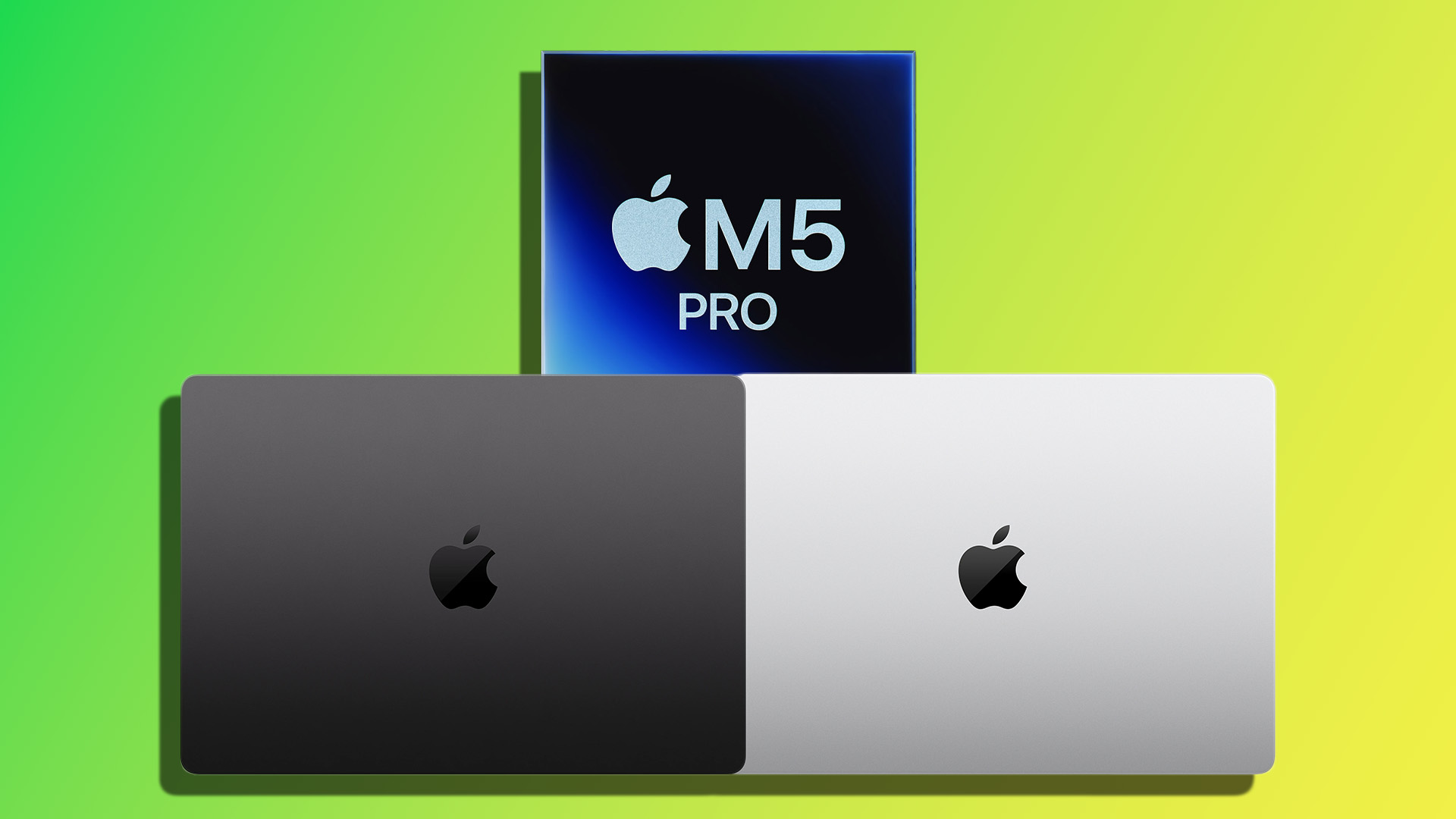
The Apple M5 Pro MacBook Pro is not just an incremental upgrade—it’s a deliberate shift in how Apple approaches performance for professional users. The problem it solves is clear: modern workflows, from video editing to large-scale data processing, require more than just raw speed. They demand efficiency, thermal management, and the ability to handle sustained workloads without compromise.
What has changed? The M5 Pro introduces a new architecture that balances performance with power efficiency in ways that previous generations did not. It features up to 12-core CPU configurations—four performance cores and eight efficiency cores—paired with up to a 10-core GPU. This is not just about clock speeds; it’s about how those cores work together, reducing thermal throttling and extending battery life even under heavy loads. For example, the chip can sustain high-performance tasks for longer periods without significant slowdowns, a critical factor for users who rely on their MacBook Pro for extended sessions.
Why does this matter? The M5 Pro is designed with workloads in mind, not just benchmarks. It addresses real-world scenarios where professionals push hardware to its limits—rendering 8K videos, compiling large codebases, or running multiple virtual machines simultaneously. However, the tradeoff lies in pricing and configuration options. The base model starts at $1,599, but customization is limited compared to previous generations, forcing users to choose between upfront cost and future-proofing. This makes it essential for buyers to assess whether their specific needs align with the M5 Pro’s strengths or if they might benefit from waiting for potential refinements in future iterations.
Looking ahead, Apple’s strategy with the M5 Pro suggests a focus on refining its approach to professional workloads rather than revolutionizing them. The next steps will likely involve software optimizations, such as improved thermal management algorithms and more granular control over power states, which could further enhance usability for power users. For now, the M5 Pro MacBook Pro is a compelling option for those who prioritize performance and efficiency but must navigate its tradeoffs carefully.