The global GPU market is in flux, with prices climbing nearly 15% over the past three months as DRAM shortages tighten supply. The impact isn’t uniform: high-end cards like the GeForce RTX 5090 and RTX 5080 are bearing the brunt, while mid-range and budget options have seen modest increases. The shift reflects a broader trend—AI demand straining memory production, which in turn inflates the cost of GDDR6 and GDDR7-based GPUs.
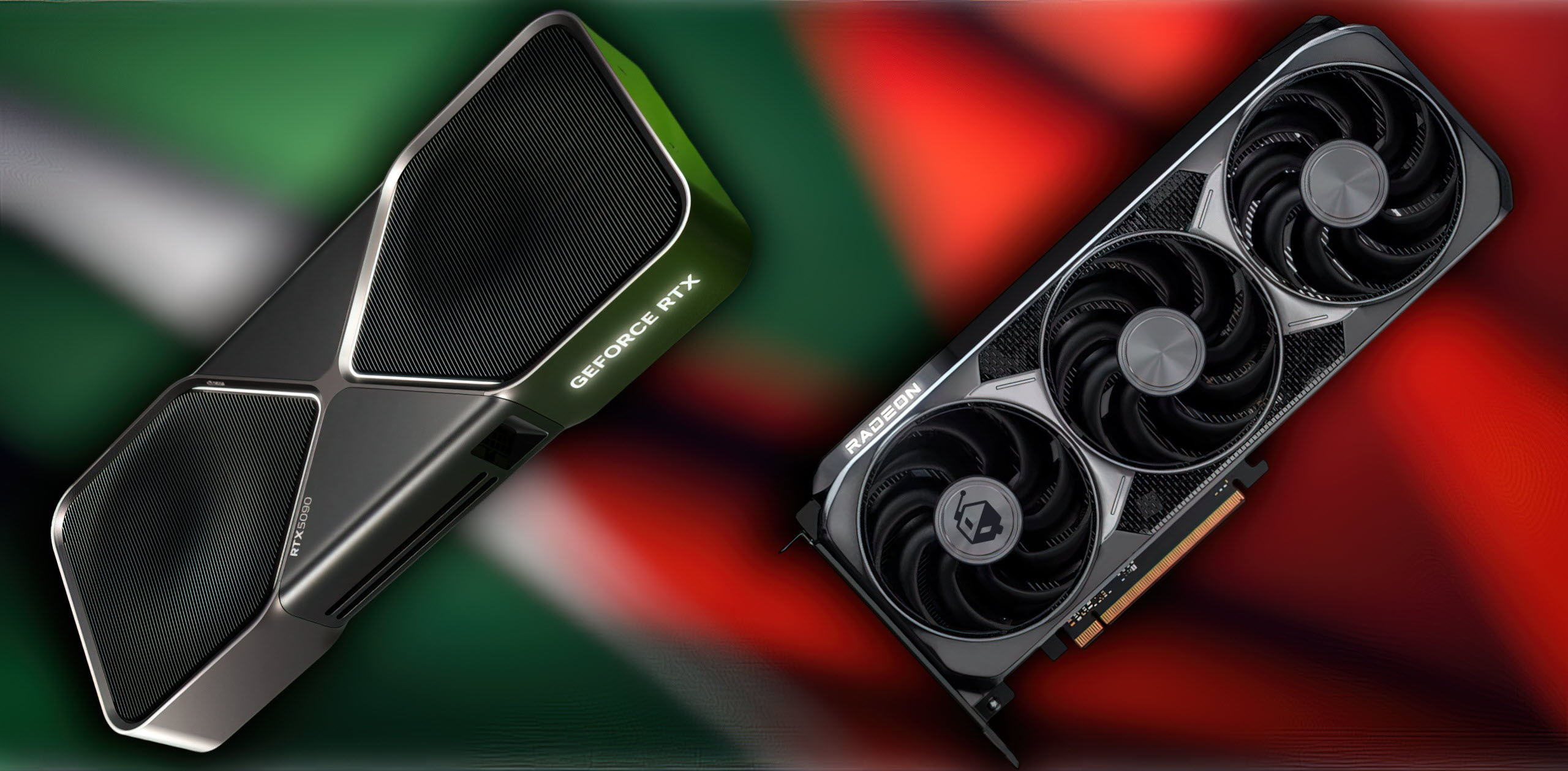
NVIDIA’s flagship models, in particular, have become significantly more expensive. The RTX 5090, already priced at $1,599 at launch, now averages $1,999 in regions like the U.S. and $2,499 in some European markets. The RTX 5080, which started at $1,399, has jumped to $1,999 in North America and $2,299 in Germany. Even the RTX 5070 Ti, a mid-tier performer, has risen by 37% in the U.S. and 39% in the Philippines.
AMD’s Radeon RX 9000 series has fared slightly better, with the RX 9070 seeing only a 7% increase—a stark contrast to NVIDIA’s high-end models. Intel’s Arc GPUs, meanwhile, remain the most stable, with the Arc B580 up just 10.7% and the B570 down in some regions. The disparity underscores how DRAM scarcity disproportionately affects GPUs with larger VRAM capacities.
Key Specs and Price Surges
Here’s how the latest GPU models have changed in price since November 2025
- GeForce RTX 5090: +40% (U.S.), +54% (Philippines), +31% (Germany)
- GeForce RTX 5080: +43% (U.S.), +36% (Canada), +25% (Germany)
- GeForce RTX 5070 Ti: +37% (U.S.), +39% (Philippines), +22% (Netherlands)
- GeForce RTX 5060 Ti 16GB: +25% (U.S.), +46% (Philippines), +36% (Brazil)
- Radeon RX 9070: +7% (global average)
- Intel Arc B580: +10.7% (U.S.), +35% (UK)
Budget GPUs like the RTX 5050 and RTX 5060 have seen far less volatility, with increases ranging from 3% to 16%. The exception is the RTX 5060 Ti 16GB, which has surged 21.5% on average—a reflection of its higher VRAM demand in AI workloads.
Why the Spike?
The root cause is the global DRAM shortage, exacerbated by AI data centers gobbling up memory modules. GDDR7, used in NVIDIA’s high-end GPUs, is particularly affected, as manufacturers struggle to meet both gaming and AI-driven demand. This has forced GPU vendors to adjust pricing dynamically, with NVIDIA and AMD prioritizing higher-margin SKUs.
For buyers, the implications are clear: high-end GPUs now require a significant premium, while mid-range options remain more accessible. The RTX 5070 and RX 9060 XT 8GB, for example, have seen increases under 20%, making them more attractive for 1440p gaming. Meanwhile, the RTX 5090 and RTX 5080 are now firmly in the realm of enthusiasts willing to pay for cutting-edge performance—even if it means waiting for prices to stabilize.
The trend is unlikely to reverse soon. With AI adoption accelerating, DRAM prices are expected to remain elevated, keeping GPU costs high. Buyers in regions like Germany, the UK, and the U.S. are feeling the pinch the most, with some models now 50% more expensive than at launch.
For those in the market, the advice is simple: monitor pricing trends closely. The gap between budget and high-end GPUs has never been wider, and the current climate favors patience over impulsive purchases.