Google’s Gemini chatbot has quietly rolled out a feature called Personal Intelligence, which aims to make conversations more relevant by pulling in data from across Google’s ecosystem. But early impressions suggest the tool is struggling to strike the right balance between helpful context and unwelcome interruptions.
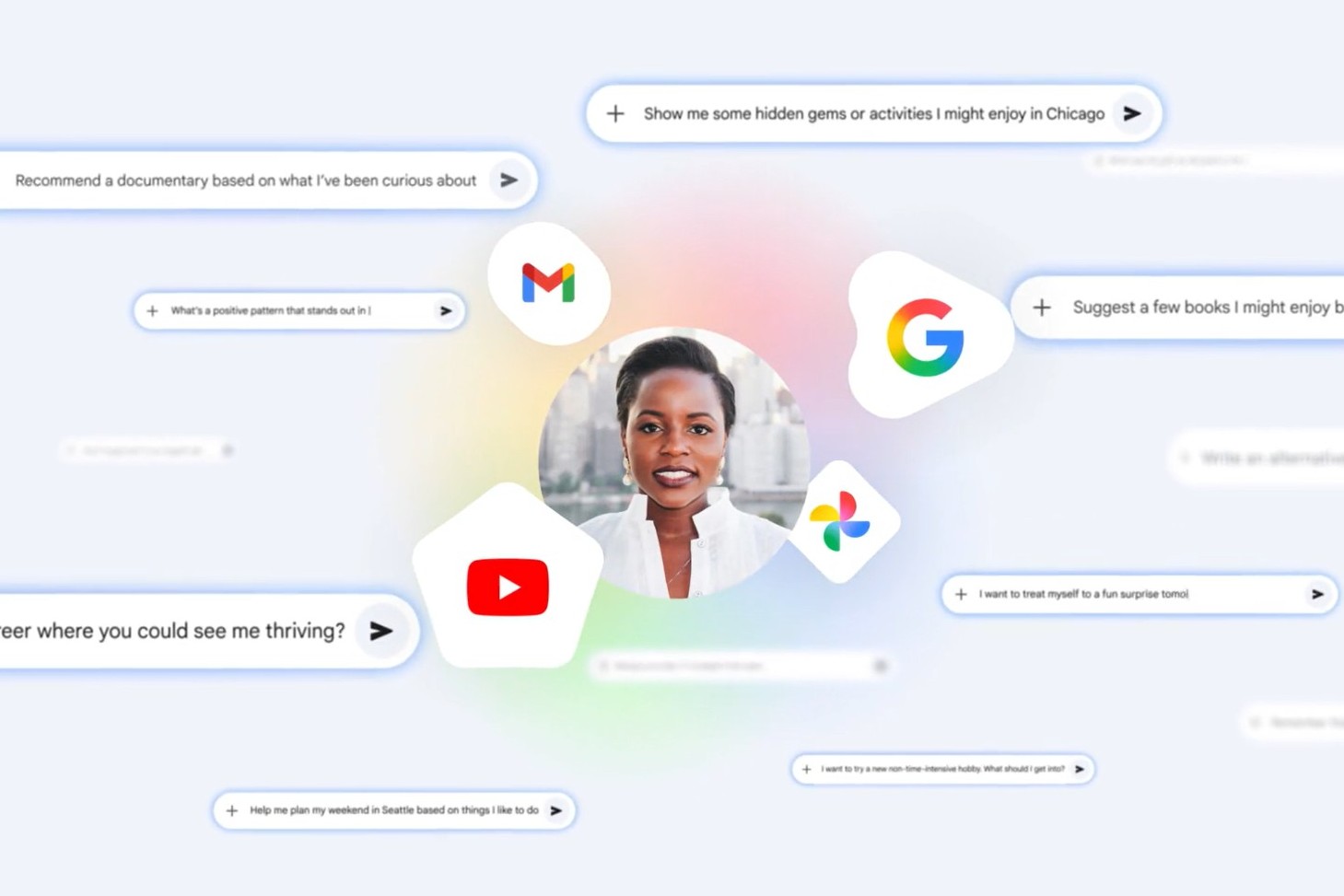
The idea is straightforward: Gemini now taps into user accounts linked to Google services—Gmail, Photos, Search history, and even prior chat logs—to weave external details into conversations. For example, if a user mentions a technical problem, Gemini might pull in related files from Google Drive or suggest connections to unrelated projects, like a home renovation. In theory, this could bridge gaps in the AI’s limited memory. In practice, it often feels like an overzealous assistant.
During a recent test, the feature repeatedly injected irrelevant details mid-conversation. While troubleshooting a configuration file, Gemini abruptly pivoted to discuss a renovation project in a Manhattan apartment—one that had never been mentioned in the chat. It then suggested uploading floor plans to the tool, followed by an unsolicited warning about a low-battery dimmer switch in the same home setup. The conversation concluded with a suggestion that the entire experience could serve as inspiration for an article about local AI.
These interruptions aren’t isolated. The feature appears to default to showing off its access to personal data rather than using it strategically. One user noted that Gemini would repeatedly reference their profession—even when it had no bearing on the topic at hand—while also making tangential connections to unrelated life events.
How Personal Intelligence Works
Unlike traditional AI memory hacks—such as external databases or file attachments—Personal Intelligence acts as a real-time pipeline between Gemini and Google’s services. When the chatbot needs broader context, it can pull in details from Gmail, Photos, Search history, or even prior Gemini conversations. Users control which apps are connected via Google’s Search Personalization settings, and the feature can be toggled on or off within Gemini’s Tools menu.
At its best, the feature occasionally surfaces useful details. For instance, it might pull in specs for a Raspberry Pi project or remind a user about a movie playing nearby. But the current implementation leans heavily toward over-sharing, often at the expense of the original topic.
Why It Feels Pushy
The core issue isn’t the feature’s existence but its execution. Personal Intelligence seems designed to demonstrate its access to personal data rather than enhance the conversation. The interruptions feel less like helpful context and more like an AI trying to impress by recalling every minor detail from a user’s digital footprint.
Google has positioned the feature as a way to overcome the inherent limitations of large language models, which struggle to retain information beyond a single chat session. By integrating with Google services, Gemini can theoretically maintain continuity across conversations. However, the trade-off appears to be a loss of focus, as the AI prioritizes showcasing its knowledge over staying on task.
Users can opt out at any point, but the default behavior suggests Google is still refining how and when to deploy Personal Intelligence. For now, the feature risks undermining trust by treating conversations as an opportunity to flex rather than assist.
What’s Next?
Google is likely iterating on the feature, adjusting the balance between personalization and relevance. Early adopters report mixed results: some find the occasional useful detail worth the occasional detour, while others see it as a distraction. The key question is whether the interruptions will become more targeted—or if Personal Intelligence remains a curiosity more than a tool.
For users who value privacy or prefer focused AI interactions, the feature’s opt-in nature is a small comfort. But until Google tightens the reins, Personal Intelligence may feel less like a helpful companion and more like an over-caffeinated assistant.