In an era dominated by first-person shooters and hyper-realistic flight simulators, one genre thrived in the 1990s: space combat. Games like Freespace 2* and X-Wing defined an era where players piloted ships through zero-gravity dogfights, often with the added thrill of motion sickness. Amid this golden age stood Star Quest 1 in the 27th Century, a title that dared to blend open-space exploration with atmospheric flight—technologies that wouldn’t become mainstream until decades later.
Now, three decades after its original release, the game has been reborn. Its creator, Paul Lauzon, has spent recent weeks updating the codebase to remove reliance on DOS emulation, adding native support for modern controllers (including HOTAS setups), and refining keyboard and mouse controls. The result? A fully playable, free version of Star Quest that runs seamlessly on contemporary Windows systems.
The update isn’t just about compatibility—it’s about preserving a piece of gaming history. Originally released in November 1995 by Virtual Adventures Inc., Star Quest was ahead of its time with features like 3D-mapped stars, Gouraud-shaded planets, and real-time shading by sunlight. While it failed to achieve commercial success, its technical ambition has earned it a second chance.
For those unfamiliar, Star Quest offers more than just space battles. Missions range from high-speed races to tactical squad engagements, with over 60 distinct spacecraft to command. The game also includes an exploration mode, allowing players to scout and strategize before diving into combat. With 10 difficulty levels per mission, it caters to both casual players and those seeking a challenge.
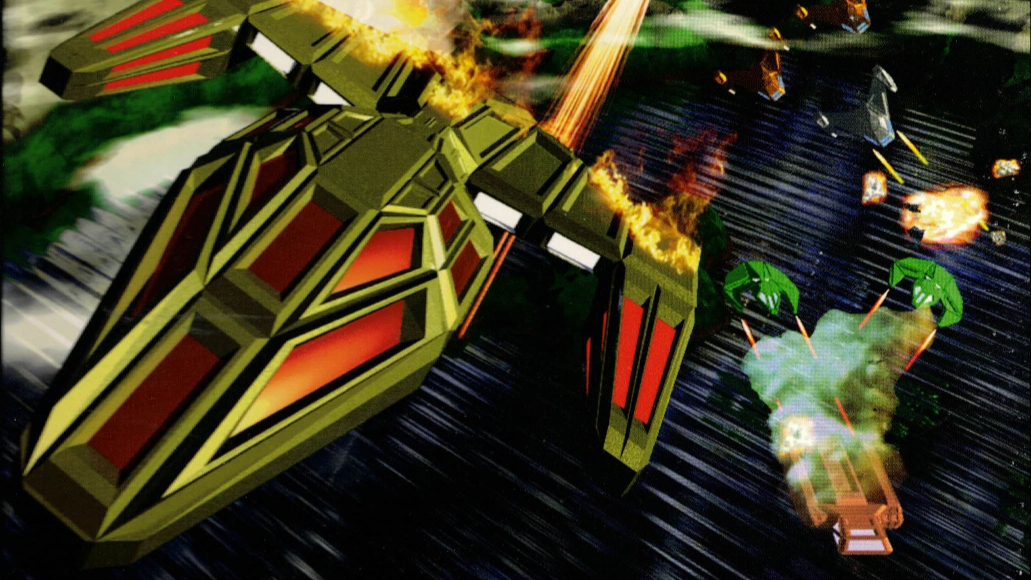
- 3D Stars: A fully mapped starfield for immersive space travel.
- Atmospheric Planets: Gouraud-shaded worlds with dynamic lighting and simulated atmospheres.
- Texture-Mapped Objects: Real-time shading based on sunlight angles.
- Mixed Missions: Deep-space battles, atmospheric flight, and surface strikes.
- 60+ Spaceships: A diverse fleet for varied gameplay.
- Space Racing: High-speed duels with weaponized maneuvering.
- 360° Movement: Full rotational control, including light-speed acceleration and reverse thrust.
- Dynamic Sound: Layered audio effects that adjust with distance.
- General MIDI Music: Synthesized soundtrack for the era.
- Exploration Mode: Plan strategies before engaging in combat.
- 10 Difficulty Levels: Adjustable challenge per mission.
- Detailed Explosions: Physics-based debris for authentic destruction.
Though the game’s technical achievements may seem quaint by today’s standards—think of it as the No Man’s Sky of 1995—the experience remains intact. The update ensures modern players can dive into its retro charm without the hassle of emulation. Best of all, the game is available for free, with optional contributions welcomed but not required.
The download is lightweight, weighing in at just eight megabytes—a fraction of modern titles but a testament to the era’s resource constraints. Whether you’re a veteran of the 1990s or a curious newcomer, Star Quest* offers a rare glimpse into the ambition of early 3D spaceflight games. It’s a reminder that even forgotten titles can find new life when given the chance.