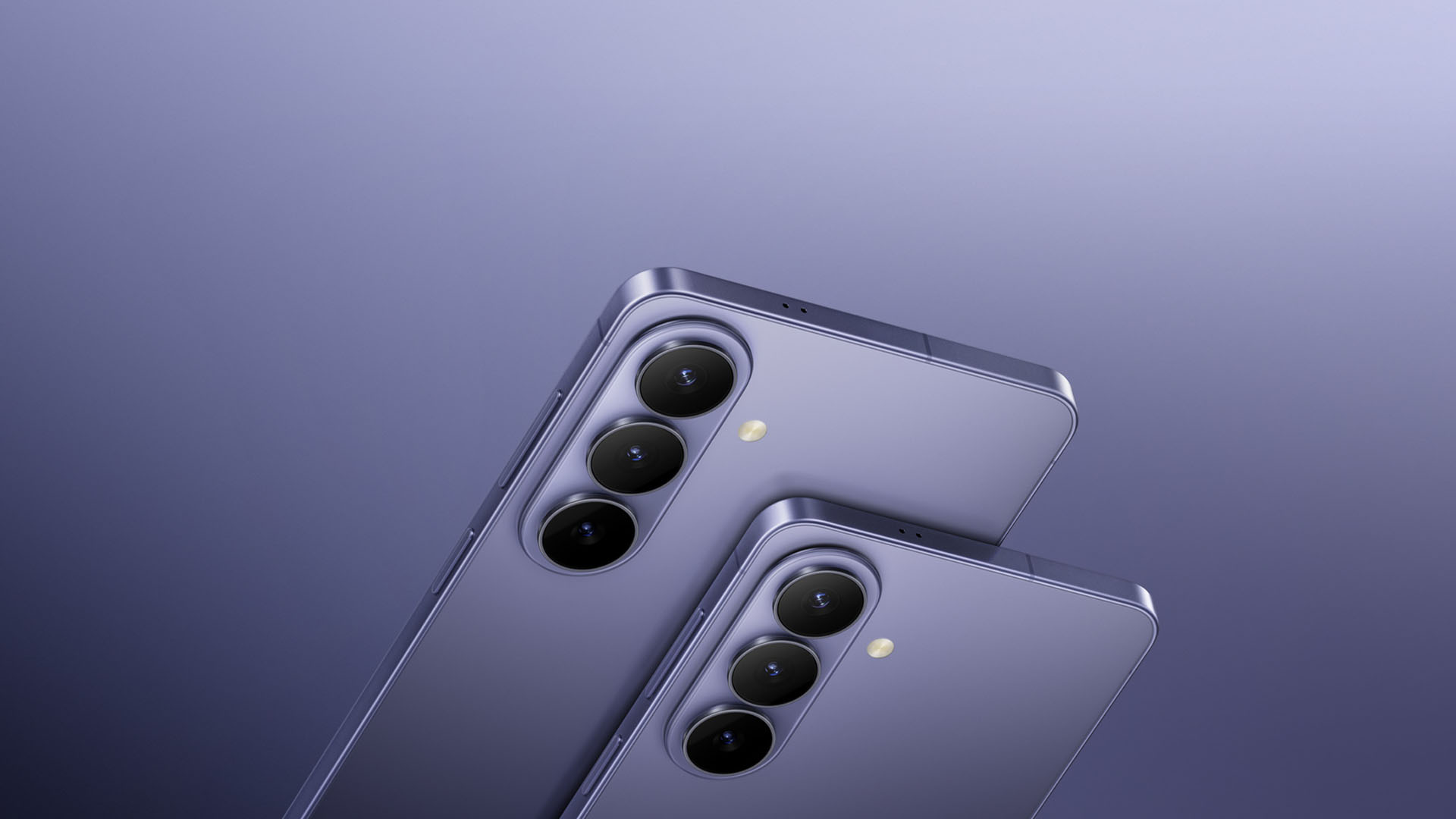
In the rapidly evolving landscape of foldable smartphones, Samsung’s once-dominant position in the US market is facing its most significant challenge yet—not from rivals like Huawei or Google, but from an impending entrant that could redefine the category: Apple.
Data indicates Samsung’s market share has fallen to 49.2% in the first quarter of 2025, a notable decline from its peak of over 70% just two years prior. While still leading, the company’s grip is weakening at an unprecedented pace. The looming arrival of Apple’s iPhone Fold, expected later this year, threatens to accelerate this erosion, potentially forcing Samsung to rethink its strategy in both hardware and software.
The Challenges Plaguing Samsung’s Foldable Strategy
Samsung’s struggles extend beyond market share. Key pain points include
- Supply Chain Bottlenecks: Production delays have constrained availability, pushing prices upward and complicating inventory management for businesses reliant on foldables.
- Thermal Performance: Foldable devices continue to grapple with heat dissipation under heavy workloads, a critical issue for professionals in fields like video editing or field inspections where sustained performance is essential.
- Software Optimization: Samsung’s ecosystem has lagged in adapting foldable-specific features, leading to clunky interfaces and limited app compatibility compared to competitors.
For enterprises already integrated into Samsung’s ecosystem—such as retail or logistics firms—the transition to a new standard could introduce operational hurdles. A device that overheats during critical tasks or lacks seamless software support risks disrupting workflows, potentially increasing costs or reducing efficiency.
Apple’s Potential Disruption
If Apple’s iPhone Fold delivers on rumors, it could introduce a new benchmark for foldable smartphones. Key advantages may include

- Extended Battery Life: Reports suggest a substantial improvement in endurance, potentially doubling the runtime of current Samsung models.
- Software Integration: A more refined iOS experience tailored for foldable form factors, with fewer glitches and better app scaling—addressing one of Samsung’s persistent weaknesses.
- Display Durability: Reduced screen creasing over time, a long-standing complaint with flexible OLED panels used by Samsung.
However, Apple is not without risks. Its traditional reliance on a limited supply chain could lead to shortages if demand surges unexpectedly. Pricing will also play a pivotal role—Samsung has been aggressive with discounts, while Apple typically maintains a premium positioning. For businesses weighing cost against performance, the choice may hinge on whether they can absorb the higher price or require the flexibility of Samsung’s more budget-conscious options.
The Broader Implications for Businesses
The shift in the foldable market carries significant implications for industries that depend on mobile productivity. As foldables become more mainstream, thermal management will emerge as a defining factor. A device capable of sustained performance under load could see rapid adoption, while those that fail to meet these demands risk being left behind.
For now, Samsung remains the default choice for businesses already embedded in its ecosystem. However, the writing is on the wall: the US foldable market is no longer a one-company landscape. If Apple executes successfully, it could reshape competition before the end of 2025, forcing Samsung to adapt or risk losing ground.