The Galaxy S27 Pro and Ultra are poised to redefine what buyers expect from flagship smartphones, particularly when it comes to camera performance. A one-minute difference in burst shooting between the two models may seem trivial, but it signals a broader shift in Samsung’s approach to its camera lineup.
Historically, the Galaxy Ultra series has been the benchmark for smartphone photography, offering features like a 50 MP periscope telephoto module that deliver exceptional performance in low light and long-range scenarios. The S27 Pro, while not matching this level of sophistication, is equipped with a camera system that comes closer than ever to its more expensive sibling. This convergence raises questions about whether mid-tier flagships can now compete more effectively with their Ultra counterparts.
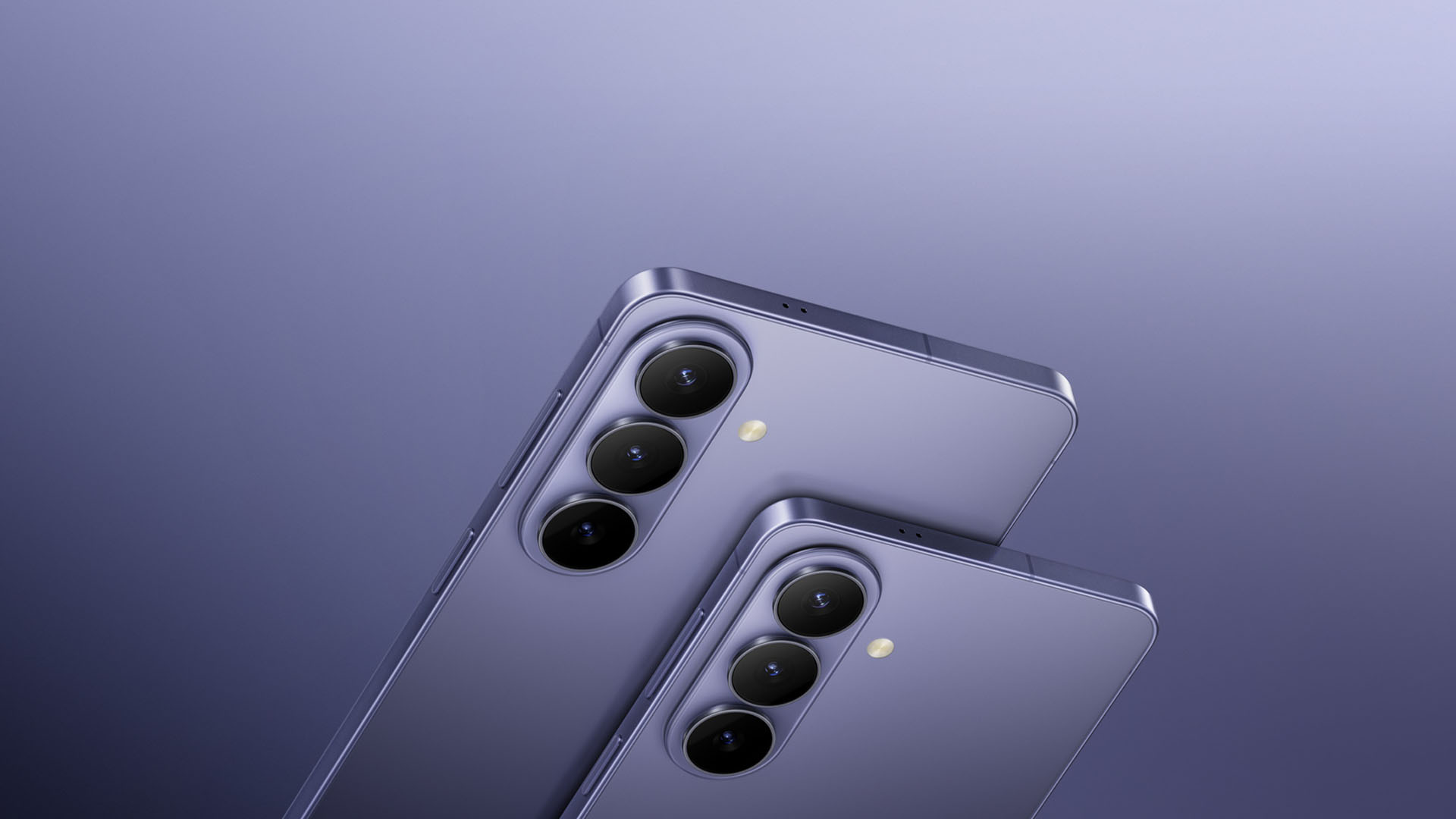
- Camera Specifications:
- - 108 MP main sensor (f/1.9)
- - 12 MP ultrawide (f/2.2)
- - 5x optical zoom
- - 10 MP telephoto (f/2.4, 3x zoom on S27 Pro; 10x zoom on S27 Ultra)
- - 50 MP periscope telephoto (S27 Ultra only, f/4.9, 10x zoom)
The S27 Pro’s camera system is designed to deliver sharp, detailed images in daylight conditions, with its 108 MP main sensor and ultrawide lens providing a broader field of view for landscape shots. However, the absence of a periscope telephoto module means it will lag behind the Ultra in long-range shooting scenarios, particularly in low light where the 50 MP sensor’s performance shines.
For buyers, this shift could mean a more balanced offering from Samsung. The S27 Pro, while not as versatile as the Ultra, may appeal to those who prioritize image quality and compact design over extreme zoom capabilities. Meanwhile, the Ultra remains the go-to choice for professionals or enthusiasts who demand the best in all conditions.
Where things stand now: Samsung is testing the waters with a more integrated camera approach between its Pro and Ultra lines. If the S27 series follows this trend, it could signal a new era where mid-tier flagships no longer feel like an afterthought—a development worth watching as the market evolves.