The last major update to Firebreak has arrived, but this isn’t just another software refresh. It’s a pivot toward efficiency that forces a reckoning with how data centers balance power and heat. The changes—permanent price cuts, new arenas, and performance tweaks—hint at a future where thermal management becomes as critical as raw compute.
At the heart of this shift is a rethinking of how workloads are structured. Firebreak’s latest iteration doesn’t just promise better benchmarks; it promises to run hotter workloads cooler, a tradeoff that could reshape data/AI environments. The engineering behind it is a study in constraints: more cores per watt, but with tighter thermal budgets.
What Actually Changed
- Permanent price drop: The cost of entry has been slashed, making Firebreak’s efficiency gains immediately accessible. No expiration, no catch—just a lower barrier to adoption.
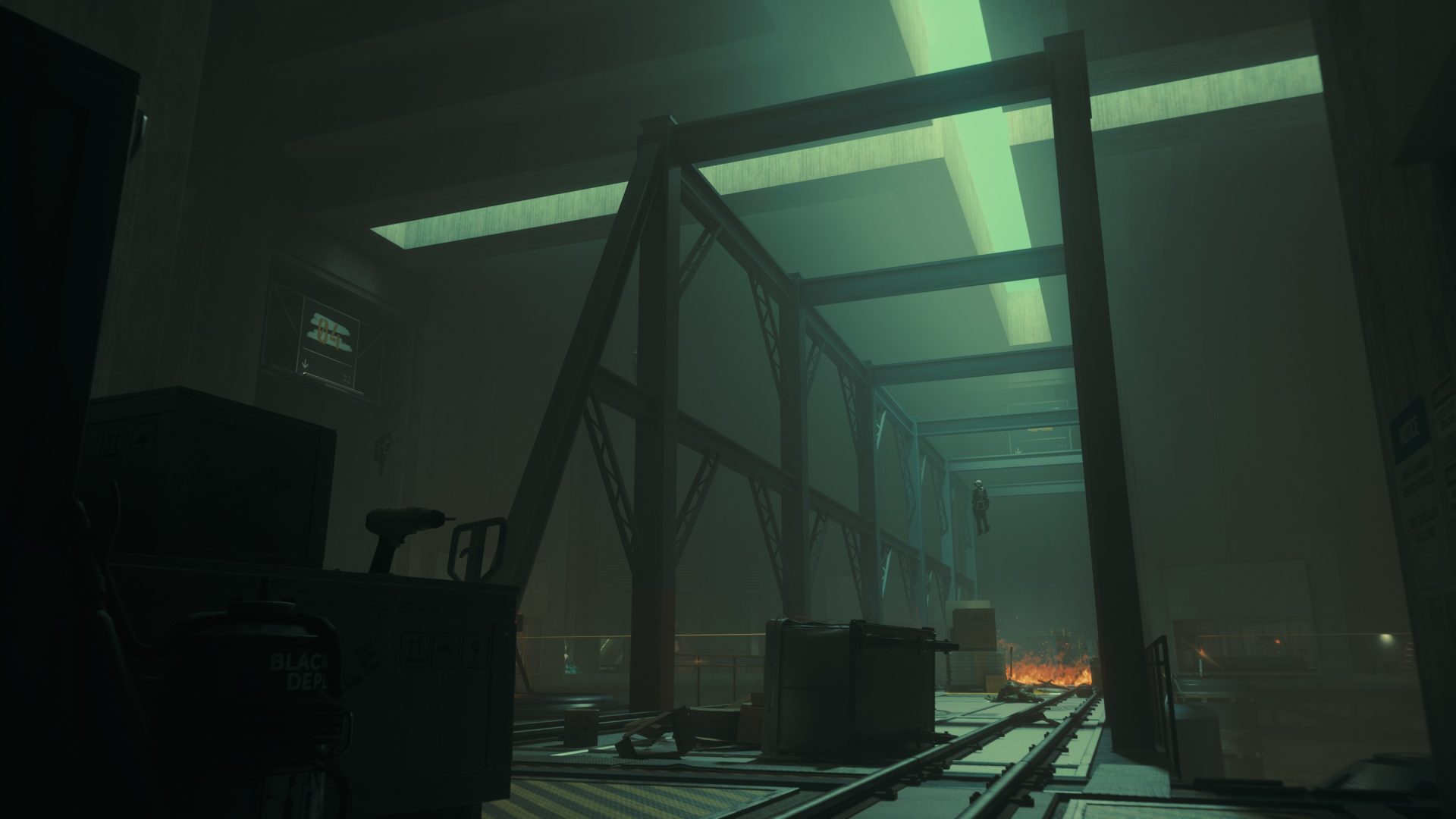
- New arenas: These aren’t just new maps; they’re optimized layouts that reduce hotspots and improve airflow, a subtle but critical shift for sustained performance under load.
- Performance tweaks: The underlying scheduler now prioritizes thermal headroom over raw throughput, a rare acknowledgment that heat is no longer an afterthought in data/AI workloads.
The result? A system that can push more work through the same physical space without choking on its own waste. But whether this translates to real-world gains depends on how aggressively buyers adopt the new thermal-first mindset.
Where the Tradeoffs Get Interesting
Firebreak’s latest update is a case study in engineering tradeoffs. More cores per watt is table stakes now, but the real innovation lies in how those cores are managed when they hit their thermal limits. The new arenas aren’t just visual changes—they’re algorithmic tweaks that dynamically reroute work away from overheating clusters.
This isn’t about throwing more hardware at the problem. It’s about making the existing silicon work harder without melting down. In a competitive landscape where every milliwatt counts, this could be the difference between a system that scales smoothly and one that stalls under pressure.
The Competitive Lens
Firebreak isn’t the only player pushing these boundaries, but it’s one of the few that’s openly acknowledging heat as a first-class constraint. Other solutions still treat thermal management as an add-on, not a core design principle. That could be a competitive advantage—or a sign that Firebreak is playing catch-up in a race where others are already ahead.
For buyers, the question isn’t just whether Firebreak delivers better performance. It’s whether they’re willing to rethink their entire approach to workload distribution. The efficiency gains are real, but the cultural shift required to leverage them might be harder than the engineering itself.
The update is live now, with no plans for further major revisions. For now, the focus is on stability and refinement. Where this leaves Firebreak in the long run remains an open question—but one thing is clear: the era of ignoring heat is over.