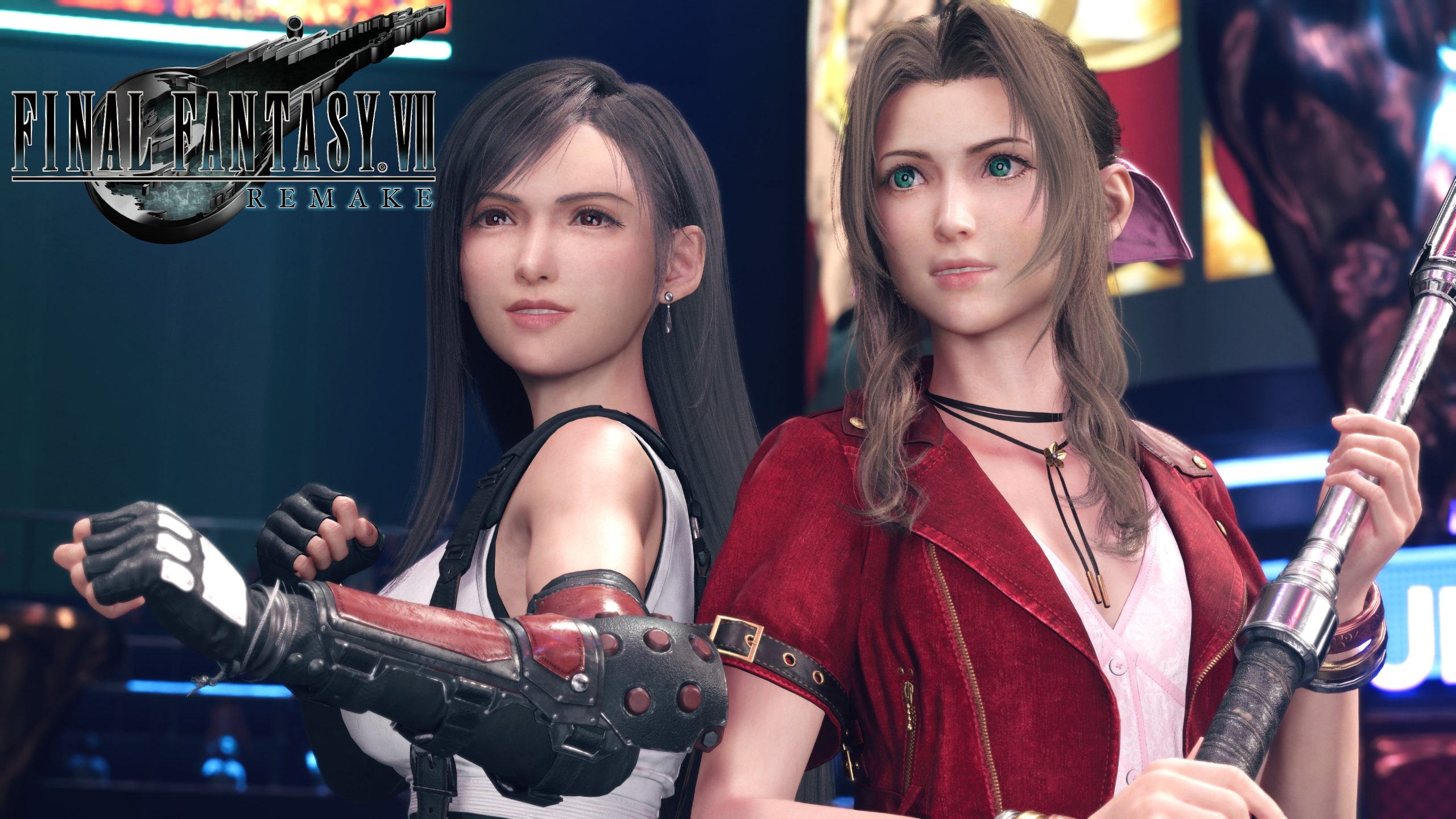
The Final Fantasy VII remake series has long been positioned as the realization of a long-held creative vision—one that was technically impossible on the PlayStation 1. Creative Director Tetsuya Nomura recently reinforced this narrative, stating that the original’s combat was never intended to be confined to static battlefields. Instead, the team envisioned dynamic, three-dimensional movement through cities, a concept only now fully achievable with modern engines.
Yet, for many longtime fans, the remake’s shift toward action-oriented gameplay feels like a departure from the series’ turn-based identity. The original 1997 release was groundbreaking for its 3D visuals and cinematic storytelling, but its combat remained rooted in the traditional ATB (Active Time Battle) system—a staple of the franchise since Final Fantasy IV. The remake’s real-time combat mechanics, while polished, have sparked debate over whether they truly honor the original’s intent or merely adapt to contemporary tastes.
The Unrealized Original Vision
Nomura’s , shared alongside early concept art, suggest that the original’s limitations were never the team’s preferred approach. Concepts like Cloud’s design and dynamic battlefield movement were explored but ultimately abandoned due to hardware constraints. The remake trilogy, built on Unreal Engine 4, now brings these ideas to life—allowing characters to engage in combat while traversing open environments, a feature absent from the 1997 version.
However, the community’s reaction has been mixed. Many argue that Square Enix’s pivot toward action combat reflects broader industry trends rather than a faithful recreation. Turn-based RPGs, once the cornerstone of the franchise, now occupy a niche in an era dominated by real-time systems. Even modern turn-based titles often incorporate hybrid mechanics, blending strategy with real-time elements—a compromise that has left purists unsatisfied.
A Divided Fanbase
The remake’s combat system, while innovative, leans heavily toward action, with Rebirth in particular prioritizing fluid movement over tactical depth. This shift has led to skepticism among fans who associate Final Fantasy with deliberate, turn-based strategy. Some question whether Nomura’s claims are driven by creative integrity or a desire to justify the trilogy’s direction.
Critics point out that even if the remake fulfills an unachievable vision, it may not align with the expectations set by the original. The ATB system, though limited by the PS1, became iconic—a testament to the team’s ability to work within constraints. The remake’s real-time approach, while technically impressive, feels like a departure from the series’ identity for those who cherish its tactical roots.
What’s Next for the Trilogy?
With the final installment confirmed to continue using Unreal Engine 4, the series will conclude its evolution of the ATB system. The addition of characters like Cid and Vincent raises questions about how the Synergy System will adapt to a full party, as well as how emotional storytelling will integrate with the remake’s dynamic combat. Fans will be watching closely to see if the trilogy’s conclusion bridges the gap between action and strategy—or solidifies its place as a reimagining rather than a revival.
The debate over the remake’s combat vision highlights a broader tension in gaming: innovation versus tradition. While the Final Fantasy VII remake trilogy pushes boundaries with its technical achievements, it remains a divisive project—one that challenges whether creative ambition should always align with fan expectations.